What Are Sustainable Home Organization Principles and Waste Reduction?

Downsizing your belongings isn't just about tidiness; it can literally lead to downsizing your home and saving thousands of dollars.

LQ
Layla Quinn

April 17, 2026 · 7 min read

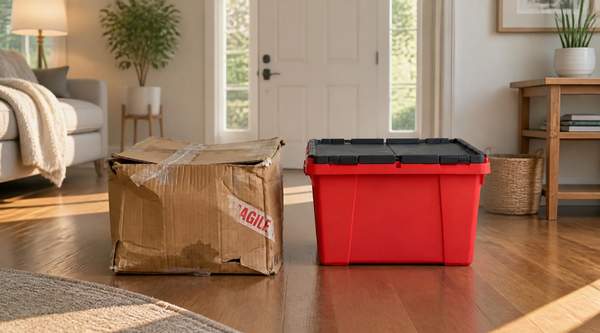
A bright and airy minimalist living room showcasing sustainable home organization principles with organized shelves and a small plant.

Downsizing your belongings isn't just about tidiness; it can literally lead to downsizing your home and saving thousands of dollars. Imagine the financial freedom of reduced housing costs simply by re-evaluating what you own. This approach to sustainable home organization in 2026 offers tangible benefits far beyond a clean living space. It directly addresses waste reduction and personal financial health.

Home organization is often seen as a personal aesthetic pursuit, but its true power lies in its direct, measurable impact on waste reduction and personal finance. Many overlook how consciously managing possessions can translate into significant economic gains and environmental stewardship. The unexpected benefit of reducing your physical footprint can extend to your mortgage or rent payments.

Embracing sustainable organization principles appears to be a practical and increasingly necessary step for both individual well-being and broader environmental stewardship. Strategic decluttering and zero waste are complementary principles, according to Goingzerowaste. This means a less cluttered home naturally supports eco-friendly living. A practical step involves donating items you haven't used in a year, which helps clear space and prevents waste. This systematic approach to what you own can free up significant personal wealth, challenging its perception as merely a lifestyle choice.

Core Principles of Sustainable Decluttering

Several structured methodologies guide effective and sustainable home organization. The Four Box Method offers a straightforward approach, asking you to sort items into categories like Keep, Toss, Donate, and Sell, according to Cleaninginstitute. This physical sorting process helps you make immediate decisions about each possession. It provides a tangible framework for beginning your decluttering journey, preventing decision paralysis.

Another popular strategy is the KonMari Method, which encourages you to keep only items that "spark joy" or are absolutely essential, as detailed by cleaninginstitute.org. This philosophy emphasizes an emotional connection to your belongings, promoting a mindful approach to ownership. By evaluating items based on their intrinsic value to you, this method helps cultivate a more intentional relationship with your possessions, reducing unnecessary accumulation.


Beyond initial decluttering, the 'one in, one out' rule serves as a crucial maintenance principle. This rule suggests that for every new item brought into your home, a similar item must be removed, according to cleaninginstitute.org. Implementing this rule prevents clutter from re-accumulating after a decluttering effort. These structured methodologies provide clear, actionable pathways for individuals to systematically reduce clutter and manage possessions with intention, moving beyond a one-time clean-up to ongoing sustainable practices.

While cleaninginstitute.org describes the KonMari Method as keeping items that 'spark joy,' goingzerowaste.com suggests donating items 'you haven't used in a year,' which is a purely practical, time-based metric. This tension reveals that while both aim for decluttering, the underlying philosophy for item retention can differ significantly. Your personal approach might blend these perspectives, prioritizing both utility and emotional connection. kept,' implying an emotional or essential value, goingzerowaste.com suggests donating items 'you haven't used in a year,' which is a purely practical, time-based metric. This tension reveals that while both aim for decluttering, the underlying philosophy for item retention can differ significantly. Your personal approach might blend these perspectives, prioritizing both utility and emotional connection.

The methodical approaches to decluttering, such as the KonMari and Four Box methods, are not simply about achieving personal order. These structured steps directly enable zero-waste principles, diverting significant waste from landfills. By intentionally sorting and evaluating items, you actively prevent them from becoming trash. This foundational work shifts your home from a repository of unused goods to a curated space, aligning personal habits with broader environmental goals.

Strategic decluttering transforms unwanted possessions into direct financial assets. Selling items you no longer need can generate immediate cash. This goes beyond small gains; the cumulative effect of selling multiple items can be substantial. More profoundly, reducing your possessions can lead to potentially reducing major housing costs. A smaller volume of belongings might allow for a smaller living space, making decluttering a powerful personal finance tool that impacts your largest recurring expense.

Based on Goingzerowaste's insight, individuals are underestimating the profound financial leverage of decluttering. Strategically reducing possessions can directly lead to downsizing housing and realizing substantial, long-term savings. This perspective shifts organization from a chore to a financial strategy. It challenges the conventional view of home organization as merely an aesthetic choice, highlighting its economic power.

This financial benefit extends beyond immediate sales. Reducing the sheer volume of items also reduces the need for storage solutions or larger homes to accommodate belongings. Consider the long-term savings on rent, mortgage interest, and utility bills associated with a smaller footprint. Sustainable decluttering therefore offers a dual advantage: it minimizes environmental impact by reducing waste and simultaneously maximizes personal wealth through smart resource management.

Home organization is frequently viewed through the lens of aesthetics, a pursuit aimed at creating visually pleasing spaces. This perception often overshadows its deeper, more impactful benefits. The true power of sustainable organization lies in its direct, measurable contributions to waste reduction and personal finance, a connection many individuals overlook. It moves beyond mere tidiness to offer tangible economic and environmental advantages.

The most counterintuitive finding is that decluttering can lead to the extreme financial benefit of downsizing one's actual home, not just saving money on smaller purchases, as highlighted by goingzerowaste.com. This realization challenges the common belief that organization is solely about managing existing items. Instead, it positions decluttering as a strategic financial move, enabling substantial, long-term savings on housing costs. This profound leverage remains widely underutilized.

Many people underestimate these financial and environmental benefits because the immediate gratification of a tidy space often takes precedence. The long-term implications of reduced consumption and potential housing savings are less visible day-to-day. Shifting this perspective requires a conscious effort to connect decluttering actions with their broader economic and ecological outcomes. Recognizing this link empowers individuals to make more impactful choices.

Embracing sustainable organization principles involves a mindset shift from accumulation to intentional curation. This proactive management prevents the cycle of overconsumption and subsequent waste. By understanding that each item removed or repurposed contributes to a larger goal, you can transform your approach to possessions. This perspective helps individuals actively participate in and benefit from a circular economy, extending beyond personal convenience.

Beyond the Home: Environmental and Financial Impact

Consistent sustainable organization practices extend their benefits far beyond your personal living space, impacting broader waste reduction efforts. Regularly scheduled decluttering sessions, whether monthly or seasonally, effectively prevent clutter from building up, according to Cleaninginstitute. This proactive approach ensures that items are dealt with before they become overwhelming, minimizing the likelihood of them ending up in landfills.

Donating items you no longer need plays a crucial role in waste diversion. Sending items to charity shops, shelters, or even friends and family keeps them out of landfill, according to decluttrme. This simple act gives possessions a second life, extending their utility and reducing the demand for new production. It fosters a cycle of reuse that benefits communities and the environment.

Beyond donation, selling unwanted items on platforms like eBay or Facebook Marketplace offers a dual advantage: it helps declutter homes and generates cash, according to decluttrme. This turns excess possessions into liquid assets, directly contributing to your personal finances. The financial incentive further motivates individuals to declutter regularly, creating a positive feedback loop between organization and wealth creation.

The principles of sustainable organization also extend into community-level resource optimization. The sharing economy, through initiatives like libraries of things, allows for lower resource consumption, as noted by Goingzerowaste. These networks act as critical infrastructure for a circular economy, preventing new purchases and extending product lifecycles. This collaborative approach multiplies the environmental benefits, fostering a society that values access over ownership.

The synergy between methods like cleaninginstitute.org's 'one in, one out' rule and decluttrme's focus on donation and resale reveals that sustainable home organization isn't just a personal chore; it's a powerful strategy for environmental stewardship and financial well-being. It is a powerful, accessible mechanism for individuals to actively participate in and benefit from a circular economy. This integrated approach ensures consistent decluttering and active participation in rehoming initiatives, contributing significantly to waste reduction, fostering financial gains, and supporting a more resource-efficient economic model.

How can I reduce waste in my home organization?

You can significantly reduce waste by choosing to repair broken items rather than immediately replacing them, a practice emphasized by Goingzerowaste. This extends product lifecycles and diminishes the need for new purchases. Additionally, creatively repurposing old items, like turning glass jars into storage containers, keeps them out of the waste stream and gives them new utility.

What are the best sustainable organization methods?

Beyond structured sorting methods, sustainable organization thrives on realistic goal-setting and starting small, according to Cleaninginstitute. This approach builds momentum and prevents overwhelm, ensuring long-term adherence to decluttering habits. Maximizing vertical space with shelves and organizers also efficiently utilizes existing areas, reducing the need for more storage furniture.

Tips for eco-friendly home decluttering?

When decluttering, prioritize selling items locally or through online platforms to ensure they find a new owner, as advised by Chicagoenvironmentalists. For items you only use occasionally, consider borrowing them from a tool library or a friend instead of buying new. Composting food waste is another effective way to reduce landfill contributions, transforming organic matter into nutrient-rich soil.

Sustainable home organization transcends mere aesthetic appeal; it stands as a direct, yet underutilized, pathway to significant personal wealth creation and tangible waste reduction. By actively promoting item resale and considering home downsizing, individuals can unlock substantial financial benefits. This approach challenges the traditional perception of organization as simply a lifestyle choice, revealing its profound economic and environmental implications.

The methodical application of decluttering principles, combined with a commitment to rehoming items, forms a powerful strategy. This not only cleanses your living space but also contributes directly to a circular economy. Every item donated, sold, or repurposed represents a reduction in landfill waste and a step towards more mindful consumption. The collective impact of these individual actions creates a measurable positive change.

Individuals adopting these principles, the environment, and local communities through reduced waste and resource sharing are the clear winners. This proactive engagement in sustainable practices empowers you to reduce your ecological footprint while simultaneously improving your financial health. It demonstrates that responsible living and personal prosperity can align seamlessly.

By Q3 2026, organizations like Chicago Environmentalists anticipate increased community engagement in sustainable decluttering initiatives, driven by growing awareness of its financial and environmental benefits. This trend suggests a broader societal shift towards valuing resource efficiency and conscious consumption, moving beyond simply tidying up to actively shaping a more sustainable future.