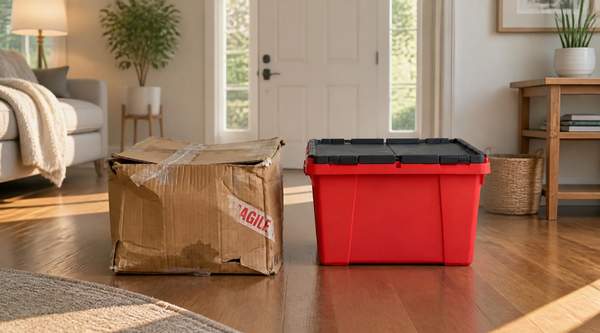
Placing donation bins directly in all closets facilitates ongoing edits, preventing items from ever becoming clutter. This simple yet powerful strategy, highlighted by Good Housekeeping, transforms organization from a periodic chore into an integrated daily habit, easing the burden of large-scale decluttering.
You invest significant effort decluttering your home, but often overlook the critical need for sustainable systems that prevent clutter from returning. This oversight traps many in a frustrating cycle, repeatedly clearing spaces only to see them fill up again.
Without adopting a continuous, eco-conscious approach, you'll likely remain trapped in a cycle of repeated decluttering, leading to ongoing frustration and unnecessary waste. True relief comes from establishing enduring habits, not temporary fixes.
Beyond the One-Time Purge: What Sustainable Organization Means
Sustainable home organization means establishing enduring practices, not temporary fixes. While some podcasts, like one on Podcasts Apple, offer "3 simple tips," many find the complexity requires more extensive support. Companies like Home Sanctuary provide "eco-consulting and sustainable decluttering services," according to Ddh-home. This contrast shows that for many, a clutter-free, eco-conscious home needs a guided, systemic overhaul, not just quick fixes. It shifts focus from temporary solutions to personalized systems that integrate decluttering into daily life and consider environmental impact.
Adopt sustainable organization by moving from reactive purges to proactive prevention. Instead of waiting for clutter to build, integrate small, consistent actions into your routine. Understand the flow of items in and out of your home, identifying where clutter accumulates. Then, create simple, continuous editing habits. These habits, like in-closet donation bins, make decluttering a seamless part of everyday life. This approach truly alters your relationship with possessions, promoting mindful consumption.
Relying solely on the "one-time purge" creates a deceptive cycle: you invest effort, only for clutter to return, leading to frustration. This cycle also harms the environment. Disposable organizers and discarded items contribute to landfills. Focusing on periodic, large-scale decluttering overlooks the need for durable solutions and continuous waste reduction. Without addressing these pitfalls, organizing becomes unsustainable for both you and the planet.