To truly declutter your home, one expert recommends keeping a maximum of three vases, while another suggests deleting five email subscriptions daily. Most people approach decluttering with vague intentions, but lasting organization demands surprisingly strict, numerical rules and even temporary consumption bans. This tension between casual effort and rigorous discipline often defines success or failure.
Individuals who adopt these precise, often extreme, decluttering rules achieve more significant and sustainable reductions in clutter than those relying on general tidying efforts. This isn't about general tidiness; it's a radical re-evaluation of what constitutes 'enough' in a consumer-driven society. These rules challenge deep-seated accumulation habits, requiring strict adherence to specific numbers.
- 4 — Keep a maximum of four candles at a time, ideally one per season, according to Getorganizedhq.
- 3 — Limit your collection of vases to a maximum of three, as advised by getorganizedhq.com.
- 90 — If an app hasn't been used in 90 days, it can probably be removed, suggests getorganizedhq.com.
- 5 — Delete five email subscriptions per week, or ideally five per day, to manage digital clutter, according to getorganizedhq.com.
- 30 — A specific no-buy goal could involve not purchasing any non-essential household items for 30 days, as reported by Homesandgardens.
These examples show that effective decluttering isn't just about tidying; it's about setting clear, numerical boundaries for both physical and digital possessions.
8 Space-Saving Organization Rules for 2026
1. Do not organize until you've decluttered. First, declutter. Trying to organize excess items only shuffles clutter, never truly maximizing space. The foundational rule, from modernminimalism, ensures your efforts aren't wasted.
2. Give every item a home. Every item needs a designated home. The core principle, from modernminimalism, prevents items from becoming clutter. Knowing where things belong reduces decision fatigue and keeps your surfaces clear.
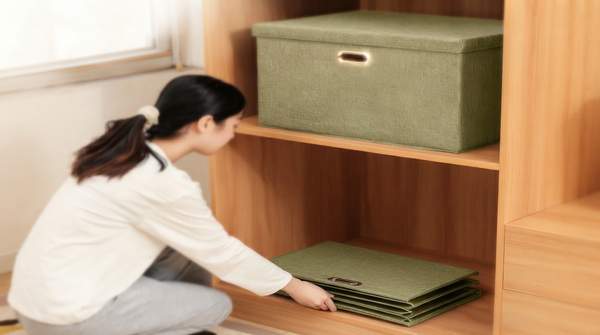
3. Keep things where you use them. Store items where you use them. The practical rule, advised by modernminimalism, enhances efficiency and keeps your space clutter-free. When things are easy to put away, they don't get left out.
4. Protect prime real estate. Reserve prime real estate for frequently used items. The strategy, from modernminimalism, optimizes valuable space and reduces clutter in key areas. Your most-used drawers and shelves should work for you, not hold forgotten items.
5. Stick to a consistent decluttering schedule. Maintain a consistent decluttering schedule. Clutter is recurring, so regular maintenance is crucial for long-term prevention, as highlighted by realsimple. Small, consistent efforts prevent overwhelming build-ups and keep your home organized. For more, see our Decluttering Methods for Organized Home.
6. Contain categories. Contain categories using baskets, bins, and dividers. The tangible method, described by modernminimalism, limits item growth and prevents overflow. It creates visual order and manages collections effectively.
7. Limit throw blankets. Limit throw blankets to one per sitting area, plus one extra for a guest. The specific, quantifiable rule from getorganizedhq.com directly reduces physical clutter by setting clear boundaries for a common household item, preventing excess.
8. Limit candles. Keep a maximum of four candles at a time, ideally one per season. The specific rule from getorganizedhq.com reduces physical clutter and keeps your decorative collection intentional.
| Rule | Primary Focus | Specificity | Behavioral Impact |
|---|---|---|---|
| Do not organize until you've decluttered | Process Order | General principle | Foundational shift in approach |
| Give every item a home | Storage & Placement | General principle | Reduces decision fatigue |
| Limit throw blankets | Quantity Control | Highly specific (1 per sitting area + 1 guest) | Directly curbs acquisition & excess |
| Limit candles | Quantity Control | Highly specific (max 4, 1 per season) | Directly curbs acquisition & excess |
| Delete 5 emails daily | Digital Hygiene | Highly specific (5 per day) | Daily habit formation for digital declutter |
Strategic Approaches to Breaking Clutter Habits and Maximizing Space
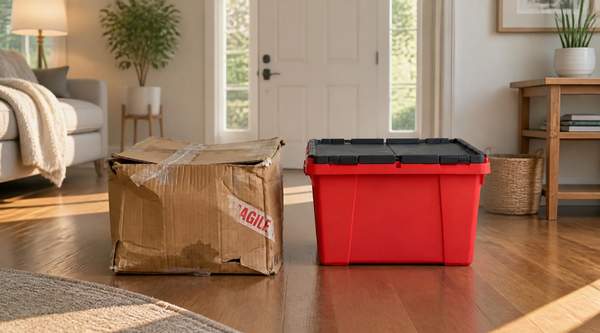
Beyond simple purging, strategic tools address the underlying consumption habits that lead to clutter. Keep a concealed donation bin handy, as suggested by Realsimple. Keeping a concealed donation bin handy facilitates immediate removal of decluttered items, preventing them from lingering and re-contributing to mess.
Consider a no-buy challenge. Homesandgardens states this extreme method effectively breaks bad home habits when goals are clear. For example, avoid purchasing non-essential household items for 30 days. However, Meghan Cocchiaro, a certified professional organizer, recommends a moderately applied no-buy challenge to prevent failure. Meghan Cocchiaro's recommendation suggests that while the concept is extreme, successful long-term implementation requires a tempered approach. Without strict numerical limits and consumption pauses, efforts to declutter remain superficial and temporary.
By consistently applying these strict numerical limits and consumption pauses, you will likely experience significantly greater mental clarity and a lasting sense of order in your home.
How to organize a small space for maximum storage?
To maximize storage in a small space, focus on vertical solutions like wall-mounted shelves and stackable bins. Consider multi-functional furniture, such as ottomans with storage. Aslobcomesclean suggests that "containers don't organize clutter, they just contain it," so declutter first before buying storage solutions.
What are the top decluttering tips for 2026?
The top decluttering tips for 2026 emphasize strict numerical limits and consistent habits. Beyond removing unused items, actively prevent new clutter by adopting "no-buy" challenges for non-essentials. Focus on giving every item a designated home and regularly assessing digital clutter, like apps and emails, to maintain a streamlined environment.
How to maximize space in a cluttered room?
Maximizing space in a cluttered room starts with thorough decluttering, removing anything that doesn't serve a purpose or bring joy. After decluttering, utilize vertical space with shelving, and employ drawer organizers and dividers to keep categories contained. Organizing for maximum storage requires a clear vision of what you truly need and use.