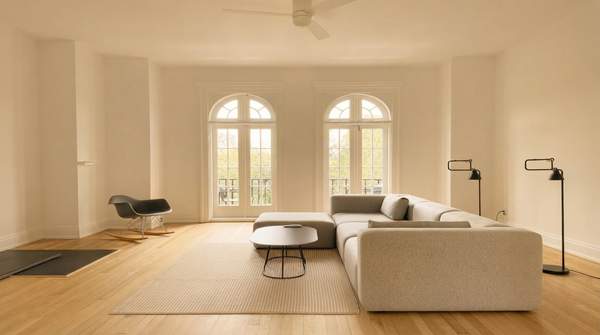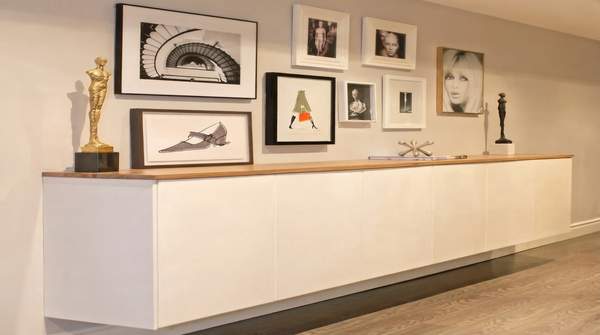
Hidden living room storage comes down to one core choice: dual-purpose furniture or integrated built-ins. Furniture like storage sectionals, ottomans, and dressers is flexible, portable, and renter-friendly—ideal for everyday items you reach for often. Built-ins like window seats, wall panels, and hidden closets deliver a seamless, clutter-free look by using dead space, but they require permanent installation. Here's how to decide based on what you store, your layout, and how long you'll stay in your home.
Understanding Hidden Storage: Furniture vs. Built-ins
Every hidden storage idea you'll encounter falls into one of two camps, and the distinction matters more than any individual product. Dual-purpose furniture is a freestanding piece that does two jobs at once—seating plus storage, or a sofa plus a guest bed. Designers describe these pieces as working "extra hard to hide your things at arm's length while providing a desirable aesthetic," as Wendy Rose Gould reports for House Beautiful. Nothing is attached to your walls or floors, and nothing changes your room's structure.
Integrated built-ins are different. They become part of the room's architecture itself. DigsDigs, a design inspiration site, frames the goal plainly: if you lean toward minimalism, "you should conceal your storage units as much as possible." Built-ins do exactly that, hiding storage behind panels, doors, or within structural features so the room reads as clean rather than furnished with boxes and bins.
The trade-off at the heart of this decision is flexibility versus seamlessness. Furniture moves when you do. Built-ins stay put—and look better for it, because they can be tailored to the exact dimensions and style of your space. Your homeownership status, your budget, and how often you access your belongings determine which side wins for you.
Neither category is objectively better. A renter in a compact apartment with a one-year lease has an obvious answer, and so does a homeowner planning to stay fifteen years. The framework below helps you figure out which camp your situation points toward.
Dual-Purpose Furniture: Flexible Solutions for Everyday Clutter
Dual-purpose furniture shines for items you use weekly or daily—things you want hidden but still within reach. The strongest examples from the evidence:
- Storage sectionals and sofas. Extra Space Storage highlights these for bulkier items: the cushions lift up to reveal storage for blankets and pillows. A convertible or pullout sofa adds a second function—guest sleeping space in a small home or apartment, giving you seating by day and a transitional bedroom at night.
- Ottomans and benches. An ottoman that doubles as storage is one of the classic double-duty pieces designers point to, keeping small items hidden at arm's length while looking like ordinary seating. Storage benches work the same way, pairing a place to sit with a compartment underneath.
- A dresser in the living room. House Beautiful highlights designer Kristen Cuthbert's approach: a dresser offers "an easy place to store everything from kids' toys to blankets, board games, and remotes," and when placed near seating it can even double as a side table for beverages, reading materials, or decor.
Capacity varies significantly by piece, so match the furniture to the item. Lift-up sofa storage suits bulky soft goods like blankets and pillows; drawers and ottomans suit smaller, frequently accessed things like remotes, toys, and games. A dresser's drawers handle the widest range, from board games to linens.
The aesthetic impact is generally positive—these pieces blend into existing decor and hide clutter without adding visual bulk. The honest caveat: they still occupy floor space as furniture. You're not creating new space; you're making the space you already devote to seating or tables work harder.
The biggest advantage is portability. If you rent, redecorate often, or might move next year, furniture goes with you. No landlord approval, no structural work, no permanence. You can also start small—one ottoman—and add pieces as your needs and budget allow, which built-ins rarely permit.
Integrated Built-ins: Seamless Design for Maximized Space
Built-ins earn their keep by claiming space that would otherwise sit empty. Rather than taking up floor area, they occupy niches, walls, and awkward zones the room wasn't using. The standout options:
- Window seats with drawers. Euphoriainteriors notes that in compact apartments where every wall matters, "window seats rank among the best hidden storage ideas because they utilise areas that would otherwise remain empty"—the seating adds character, the drawers add function, and the window adds light. DigsDigs agrees, calling a windowsill storage bench with drawers a very smart idea that will "hide a lot of stuff away."
- Wall panels and hidden shelving. Docking Drawer's guide describes shelves designed to look like art installations or wall panels that push open to reveal storage within. The approach maximizes vertical space and transforms how storage integrates into living areas, without the cluttered look of traditional open shelving.
- Storage benches and platforms. DigsDigs showcases corner benches used for both sitting and storage, plus a corner sofa set on a platform with storage—a solution it calls a cool fit for a small space. A built-in curved upholstered storage bench combines seating, storage, and a trendy shape in one piece.
- Hideaway offices and concealed zones. Extra Space Storage's roundup includes hideaway offices and hidden closets, letting you make an entire functional zone disappear behind doors or panels when it's not in use.
Built-ins excel at concealing larger volumes of items, media components, or even whole work areas. They're best for things intended for long-term storage or complete concealment—items you want to exist, but not to see.
The catch is permanence. Built-ins require integration with the room's existing structure and design, plus custom work to fit your specific space. That makes them generally unsuitable for renters, since installation is permanent and may involve structural modification. This is primarily a homeowner's option, or one for long-term tenants with explicit landlord approval.
Hidden Storage Solutions: Furniture vs. Built-ins
Use this table to weigh the two categories against your situation. Each row reflects what the evidence supports, with the honest caveats built in—read it as a decision tool, not a scorecard.
| Criterion | Dual-Purpose Furniture | Integrated Built-ins |
|---|---|---|
| Best For (Item Types) | Blankets, pillows, remotes, kids' toys, board games, and other frequently accessed items. Capacity varies significantly by piece. | Larger volumes of items, entire home offices, or media components. Best for long-term storage or complete concealment. |
| Aesthetic Impact | Hides items at arm's length without adding visual clutter, blending into existing decor—though it still occupies floor space as furniture. | Creates a seamless, sleek look by hiding storage behind panels, doors, or within architectural features. Requires integration with the room's existing structure and design. |
| Space Requirement | Occupies floor space as a freestanding piece. | Maximizes otherwise dead space—wall niches, areas around windows—without consuming additional floor space. Requires custom design and installation to fit specific spaces. |
| Flexibility (Renter-Friendly) | Portable and reconfigurable; moves with you when you do. | Generally not suitable for renters due to permanent installation. Primarily an option for homeowners or long-term tenants with landlord approval. |
Reading the columns side by side reveals the pattern: furniture wins on flexibility and speed to implement, built-ins win on visual cleanliness and space efficiency. If you rent or expect to move, the left column is your realistic option. If you own your home and want the room to look like storage doesn't exist, the right column delivers that.
A quick worked example shows how the criteria interact. Suppose your clutter is blankets, remotes, and kids' toys, you rent, and you redecorate yearly. Every criterion points to furniture: frequently accessed items, portability required, no structural work possible. Now suppose you own, your clutter is a home office that invades the living room, and you value a minimalist look above all. Every criterion points to built-ins: complete concealment, dead-space use, permanence acceptable. Most real situations sit between these poles, which is why the table asks four questions rather than one.
Making Your Choice: A Tidy Living Room Awaits
Here's the decision in plain terms. Choose dual-purpose furniture for flexibility, ease of implementation, and renter-friendliness, especially for frequently accessed items. Opt for integrated built-ins for maximum aesthetic integration, seamless concealment, and long-term space maximization, particularly for homeowners.
A practical path for mixed needs: start with one or two furniture pieces—a storage sectional for blankets, a dresser for toys and games—and see how much visible clutter disappears. If you own your home and still crave more concealment after that, it's your signal to consider a built-in like a window seat or push-open wall panels for the remaining overflow.
Either way, you'll know your choice is working by one measurable indicator: a noticeable reduction in visible clutter and an improved sense of order and spaciousness in the living room. Walk in, count what you can see, and let that number guide your next storage decision.
Sources
- 6 Clever Double-Duty Furniture Ideas Designers Swear by for Small Spaces — House Beautiful
- 41 Living Room Hidden Storage Ideas - DigsDigs
- 19 Hidden Living Room Storage Ideas — Extra Space Storage
- 22 Hidden Storage Ideas for Modern Homes That Instantly Reduce Clutter - Euphoriainteriors
- Complete Guide to Mastering Hidden Storage Solutions — Docking Drawer