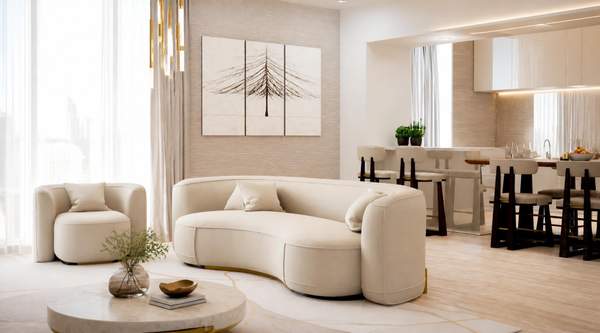
In the most exclusive homes, a sofa is no longer just a place to sit; it's a bold, curvilinear statement piece, demanding attention like a gallery sculpture. These remarkable objects, embodying the sculptural furniture trend, transform a room into a carefully curated exhibition, inviting admiration from every angle in luxury homes.
Yet, this shift presents a compelling tension: Home furnishings are inherently designed for daily use, but the new luxury trend values them primarily as non-functional art objects. The very essence of comfort and practicality gives way to pure aesthetic expression.
This aesthetic shift will likely redefine luxury living spaces as personal galleries, potentially elevating interior design to a fine art discipline and increasing demand for bespoke, artist-crafted pieces. It reflects a deeper cultural desire among the affluent for unique self-expression and curated environments, moving beyond mere utility.
Why Sculptural Forms Command Attention in Luxury Living
Sculptural furniture now defines luxury interiors. Design-conscious consumers increasingly invest in pieces that command attention, moving beyond conventional forms, reports Luxe Outlookindia. For the ultra-wealthy, a home's primary function has evolved from private sanctuary to public gallery, where every object performs as a statement of personal taste and artistic appreciation.
The Practicality Paradox: Comfort vs. Art
While sculptural pieces offer undeniable visual impact, their emphasis on form often raises questions about long-term practicality and comfort. A dining chair shaped like abstract art might inspire conversation, but its ergonomic design may not invite extended family meals. This tension reveals a core dilemma: are luxury homes truly for living, or are they becoming stages for display?
When Furniture Becomes Fine Art
Furniture now acts as a conversation starter, carrying emotional and visual weight akin to a painting or sculpture, states Luxe Outlookindia. A console table, for instance, is valued for its narrative and emotional pull, not just its surface. This redefines luxury interior design: it's no longer about comfort, but about curating an art collection you can technically sit on. This blurring of lines elevates interior design, allowing homeowners to express identity through objects transcending mere function.