The 'Newstalgia' trend is redefining luxury. A chipped antique vase or a worn wooden beam now signals warmth and stability more powerfully than pristine, brand-new decor. This shift reveals a collective yearning for spaces that hold stories, offering comfort in our rapidly changing lives.
Yet, modern interior design often strives for clean, unblemished perfection. This directly contrasts consumers increasingly seeking character found in aged, imperfect, and historically resonant elements.
As a result, the design industry will increasingly blend contemporary aesthetics with vintage and reclaimed materials, leading to more personalized, less transient home environments.
The Quiet Rise of Patina
- 1. Increased Consumer Preference — Homeowners prioritize character and narrative over unblemished newness, according to coloradohomesmag.
- 2. Growing Demand for Artisanal Goods — Purchases of handcrafted and unique items with visible imperfections have risen.
- 3. Reclaimed Material Popularity — Reclaimed wood and old stone are becoming cornerstone elements in contemporary designs.
- 4. Focus on Sentimental Value — Objects inherited or acquired with a history are integrated more prominently into decor.
- 5. Design Industry Adaptation — More interior designers are incorporating vintage and antique pieces into client portfolios.
- 6. Shift in Luxury Perception — The definition of luxury now often includes rarity and historical significance, not just price.
- 7. Media Spotlight on Imperfection — Lifestyle publications increasingly feature homes showcasing worn textures and aged finishes.
This cultural shift suggests that home aesthetics are now driven by emotional connection, not just superficial trends. It implies a deeper search for meaning in our surroundings.
Defining 'Lived-In': Newstalgia and Timeless Appeal
The 'Newstalgia' trend imbues patina with the warmth and stability of tradition, according to coloradohomesmag. This approach moves beyond mere aesthetics; it's about crafting spaces that resonate with history and emotional depth, something new, sterile objects often miss. The implication is that true luxury now lies in authenticity and a perceived connection to the past, rather than just pristine newness.
Blending Eras: How Designers Marry Old and New
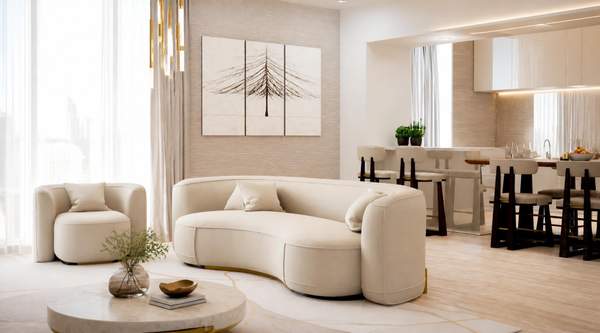
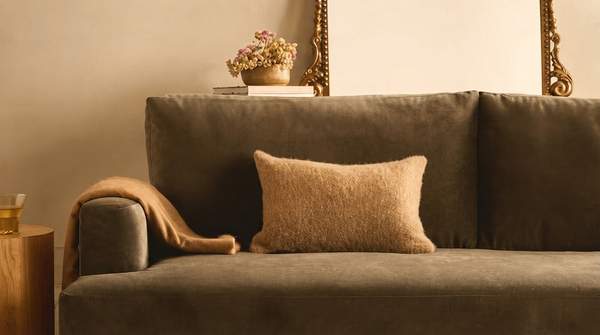
Designers are moving beyond purely minimalist approaches, thoughtfully integrating vintage finds and reclaimed materials into contemporary settings. This creates visual interest and emotional depth, making a space feel both current and timeless. For example, a sleek, neutral backdrop can highlight the unique textures of an antique chest or a hand-knotted rug. The implication is that modern design is evolving to embrace complexity and narrative, moving past fleeting trends towards enduring style.
Crafting Authenticity: Practical Applications for a Traditional Feel
Creating a truly traditional feel in a contemporary home involves a strategic blend of aged elements with modern simplicity.
- Old stone, reclaimed wood, and natural items, styled against a neutral color palette and sleek lines, effectively create a traditional feel, according to coloradohomesmag.
- Designers increasingly source unique, one-of-a-kind pieces with visible history, favoring them over mass-produced alternatives.
This conscious selection of materials with inherent character, paired with minimalist principles, allows designers to craft spaces that are both timeless and deeply personal. It suggests a future where homes are less about trends and more about individual narratives and lasting comfort.
What is the lived-in look in interior design?
The lived-in look prioritizes comfort, authenticity, and character over sterile perfection. It combines aged or historical elements, like antique furniture or reclaimed materials, with contemporary design. This style creates deeply personal, inviting spaces that feel evolved over time.
How to achieve a cozy lived-in home aesthetic?
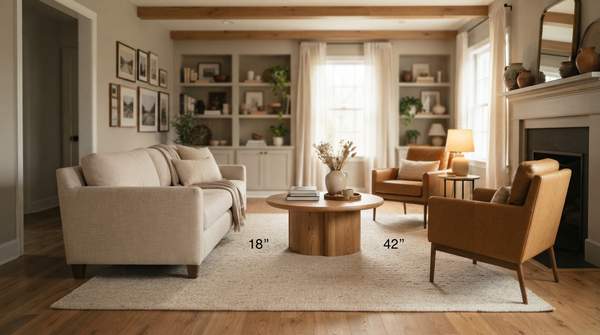
Achieve a cozy lived-in aesthetic by layering textures, incorporating natural materials like linen and wool, and displaying personal, sentimental items. Integrating vintage finds, such as a well-worn leather armchair or old books, instantly adds character. A neutral color palette serves as an ideal backdrop for these richer, tactile elements.
Is the lived-in look still popular in 2026?
Yes, the lived-in look remains highly popular in 2026, evolving as a core tenet of interior design. Its enduring appeal stems from consumer desire for authentic, stable environments amidst global uncertainties. Designers continue refining methods to blend historical resonance with modern functionality, solidifying its place in contemporary homes. For more, see our Top Modern Home Interior Design.
By Q4 2026, mass-produced furniture retailers like HomeGoods & Beyond will likely adapt their offerings to include more customizable, artisanal-inspired pieces. This shift acknowledges growing consumer demand for unique items that contribute to a home's narrative, marking a lasting departure from purely generic decor.