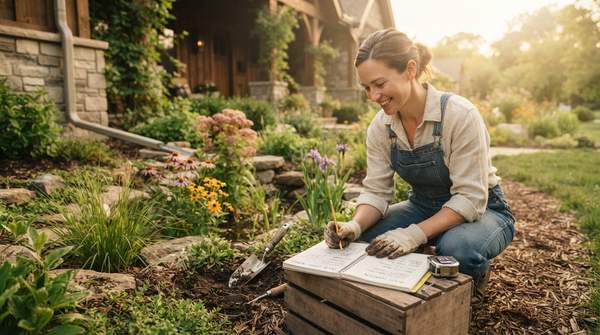
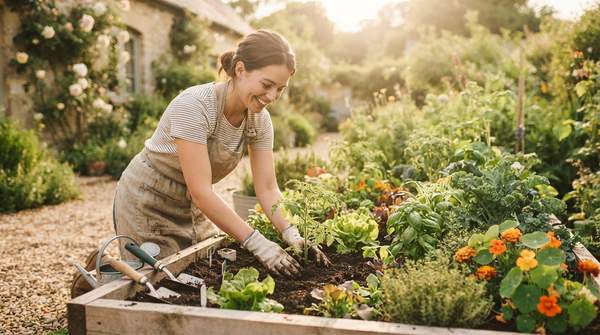
Converting a traditional lawn into a thriving biodiverse meadow isn't as simple as scattering seeds; it often begins with two rounds of herbicide application and a two-to-three-year wait for establishment. Homeowners eager to create immediate ecological havens must instead embrace a paradoxical start and considerable patience. While meadows offer a crucial lifeline for struggling wildlife, transforming sterile lawns into vibrant ecosystems demands specific, often counter-intuitive, preparation methods. Lawns are hostile environments for most wildlife, lacking food and shelter, according to Extension. Conversely, planting meadows directly supports pollinator insects, birds, and other wildlife, according to DNCR. Meadow conversion is crucial because it transforms barren spaces into vital ecosystems, directly addressing the decline in wildlife habitats. Therefore, while the long-term ecological benefits are substantial, many homeowners underestimate the initial effort and time, potentially leading to frustration or unsuccessful projects.
A Community-Wide Ecological Upgrade
Individual homeowner efforts in converting lawns to meadows significantly contribute to broader ecological health and urban sustainability. Managing a mosaic of lawns and meadows enhances multiple ecosystem services with balanced biodiversity and soil health in urban landscapes, according to ScienceDirect. A single homeowner's decision creates a ripple effect, improving the local environment for everyone. These localized projects collectively form a more resilient urban ecosystem, benefiting entire communities. The collective impact extends to improved air and water quality, as native plants filter pollutants more effectively. These new green spaces also provide vital corridors and habitats for wildlife, fostering a healthier, more vibrant living environment for both humans and wildlife.
Beyond Aesthetics: The Environmental Imperative
The drive for native meadows extends beyond visual appeal, rooted deeply in environmental necessity. Native plants, with their deep roots, store greenhouse gas carbon dioxide, directly combating climate change, according to DNCR. Native meadows are powerful tools for carbon sequestration, offering homeowners a tangible way to contribute to global climate efforts from their backyards. Their extensive root systems lock carbon into the soil, preventing its release and mitigating climate change effects.
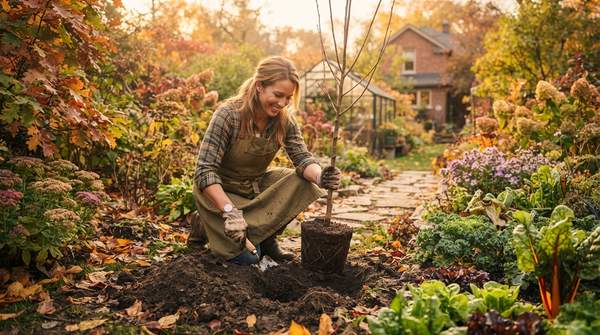
Beyond carbon capture, native meadows significantly reduce the demand for resource-intensive lawn care. Traditional lawns require frequent watering, chemical fertilizers, and regular mowing with fossil fuel-powered equipment. Once established, native plants are adapted to local conditions, requiring less water and no synthetic fertilizers or pesticides. The reduction in resource-intensive lawn care translates into lower utility bills and a smaller environmental footprint, aligning personal choices with broader ecological and economic sustainability goals.
The Long-Term Vision: Patience and Persistence
Homeowners embarking on a meadow conversion must prepare for a significant time investment, often spanning two to three years for full establishment. Perennial meadows require this extended period due to the slow-growing nature of perennial plants and prairie grasses, according to Extension. The immediate ecological impact will not be visible overnight; instead, it demands a commitment to a long-term vision. During these initial years, a meadow may appear sparse or weedy, challenging homeowners seeking instant results. However, this slow development allows native species to establish deep root systems, critical for long-term resilience and ability to outcompete unwanted vegetation. Homeowners must resist quick fixes and embrace persistence, recognizing these initial stages are foundational for a self-sustaining, ecologically rich habitat.
From Lawn to Meadow: The Essential Steps
Converting a traditional lawn into a biodiverse meadow requires specific, often counter-intuitive preparation. The first step involves employing non-selective herbicides to clear existing vegetation. Existing vegetation should be cleared with a non-selective herbicide like glyphosate, followed by a second application three to five weeks later, according to Udel. The initial chemical treatment, while seemingly at odds with biodiversity, is a crucial foundation for long-term success, ensuring a clean slate for native plant establishment.
Another counter-intuitive technique avoids soil tilling. Tilling the area is not recommended as it increases weed pressure, according to Udel. Disturbing the soil brings dormant weed seeds to the surface, allowing them to outcompete desired native species. A no-till approach preserves soil structure, minimizes weed disturbance, and allows native plants to establish in a more stable environment, supporting a robust native plant community.
Precise seeding timing also plays a critical role. Fall seeding typically favors grass species, while spring seeding is more conducive to forbs, according to Udel. Homeowners must adhere to strict deadlines: no later than October 31 for fall or May 31 for spring. Strategic timing ensures proper germination and establishment before extreme weather, allowing for successful integration of various plant types and influencing the meadow's overall ecological character.
If homeowners commit to these precise, often counter-intuitive, methods and embrace the multi-year establishment period, their efforts will likely yield thriving, resilient meadows that significantly enhance local biodiversity and environmental health for decades.