Decor

Maximalism’s Reign Is Over: Why Your Home Deserves Thoughtful Curation

The 'more is more' philosophy of maximalism is giving way to a more sustainable and soulful approach in home design. Discover how thoughtful curation can create a peaceful, personalized sanctuary that stands the test of time.

CW
Clara Whitmore

April 8, 2026 · 8 min read

A peaceful, thoughtfully curated living room with natural light, showcasing a few meaningful objects on a shelf, representing a shift from maximalism.

While the vibrant energy of maximalist home design offers a compelling canvas for self-expression, its philosophy of 'more is more' is ultimately not sustainable for our long-term well-being or the timelessness of our homes. The future of interior design lies not in stark minimalism, but in a more considered, soulful approach: a thoughtful curation that balances personality with peace.

This conversation is more relevant than ever as we look toward the future of home design. Experts are already forecasting the major interior design trends for 2026, and while some point to the rise of styles like "Gothic maximalism," according to a report from russh.com, a deeper, more significant shift is quietly taking place. We are beginning to question not just what our homes look like, but how they make us feel. In a world of constant noise and digital saturation, our living spaces must become true sanctuaries, a goal that the inherent clamor of maximalism can sometimes undermine. It’s time we moved beyond fleeting trends to create homes that are built to last, both in style and in substance.

The Hidden Costs of Maximalism in Home Design

Imagine stepping into a space that feels like a warm, enveloping hug—a room that tells your story through cherished objects, art that moves you, and colors that soothe your soul. Now, imagine a space where every surface shouts for attention, where patterns clash and collections overflow, creating a visual static that leaves you feeling subtly agitated. While maximalism champions the former, it often inadvertently creates the latter. The pursuit of "more" comes with hidden costs that affect our minds, our wallets, and even the future value of our homes.

The primary challenge of maximalism is its potential for sensory overload. Our homes are meant to be our refuge from the outside world, a place to decompress and recharge. A design ethos that prioritizes constant stimulation through an abundance of color, pattern, and objects can work against this fundamental need for rest. While a gallery wall of beloved prints or a shelf of treasured flea market finds can bring immense joy, an entire home designed around this principle of accumulation can become visually exhausting. The line between a rich, layered interior and one that feels chaotic and cluttered is incredibly fine, and maintaining that balance requires a level of constant editing that many find draining over time.
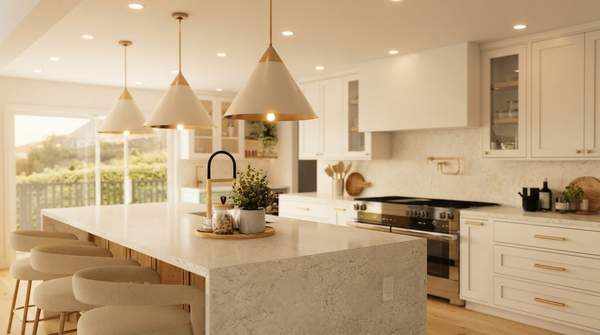
Beyond the psychological impact, there is a tangible financial and environmental consequence. The maximalist trend, when misinterpreted, can fuel a cycle of consumption. It can create pressure to fill every nook and cranny, to acquire more decorative objects, more textiles, more stuff. This philosophy runs counter to a growing, and necessary, movement towards sustainability in design. As reported by Sunset magazine, there is a clear shift away from 'fast' and 'cheap' home design and toward an emphasis on quality over quantity. Homeowners are increasingly prioritizing unique, handmade items and custom furniture built to last. This is not about deprivation; it is about intentionality. Investing in a single, beautifully crafted armchair that will serve your family for decades is a more sustainable and ultimately more satisfying choice than buying several trendy, mass-produced pieces that will end up in a landfill in a few years.

Finally, for those who view their home as a financial asset, the practical implications of maximalism cannot be ignored. While your home should always be a reflection of you, certain bold design choices can create significant hurdles when it comes time to sell. According to a report from House Digest, bold colors like red and lime green can actively deter potential buyers. The reason is simple: it makes it much more difficult for them to envision themselves living in the space. The report notes that allowing buyers to form an emotional attachment is crucial for a successful sale, a process made far easier by more neutral, earth-toned palettes that act as a welcoming blank canvas. A maximalist interior, deeply personalized to your specific taste, can feel so overwhelmingly yours that it leaves no room, literally or figuratively, for a buyer’s imagination.

The Counterargument: A Celebration of Bold Self-Expression

Of course, it would be unfair to dismiss maximalism entirely. Its rise in popularity was a necessary and welcome antidote to years of cold, impersonal minimalism. At its best, maximalism is a joyous, exuberant celebration of individuality. It gives us permission to reject cookie-cutter design and to fill our homes with the things that we love, regardless of whether they "go together" in a conventional sense. It is a style that embraces history, sentimentality, and the beautiful messiness of a life well-lived. It’s no surprise that some designers predict that personalization and layered design will remain significant trends for 2026.

The appeal of maximalism lies in its storytelling power. Each object, from a grandmother’s antique vase to a quirky piece of modern art, contributes a sentence to the narrative of your life. This approach creates spaces that feel deeply authentic and personal, a quality that is becoming even more valued. As one designer noted in Sunset magazine, the growth of artificial intelligence has sparked "a renewed appreciation for authenticity and personalization in our interiors." Maximalism, in its purest form, is the antithesis of an AI-generated, algorithmically perfect room. It is human, flawed, and full of soul.

However, the weakness of maximalism is not in its intention but in its execution as a mainstream trend. The philosophy of "more is more" can easily be misinterpreted as a license for indiscriminate accumulation. The joy of a curated collection is lost when it becomes an unedited hoard. The very act of self-expression can become performative, driven by the desire to create an "Instagrammable" moment rather than a genuinely comfortable living space. My argument is not against personality or collecting; it is against the excess that can suffocate a room and the people in it. The spirit of maximalism is beautiful; the trend of maximalism is unsustainable.

Maximalism vs. Timeless Design: The Rise of 'Curated Calm'

The most forward-thinking voices in design are not advocating for a return to the empty, white-box aesthetic of minimalism. Instead, they are championing a more nuanced, sophisticated middle ground. This emerging ethos, as beautifully articulated in a report by Dezeen, is about finding "curated calm over superficial opulence." It’s a design philosophy that embraces the warmth, personality, and layered richness of maximalism but applies a crucial filter of restraint and intention.

Imagine a living room grounded in a soft, calming palette of earthy tones. The furniture is comfortable and well-made, chosen for its form and function. The "maximalist" elements are present, but they are deliberate. A single, large-scale abstract painting provides a bold splash of color, its energy contained and impactful. A set of open shelves displays a carefully edited collection of handmade pottery and travel souvenirs, with enough negative space around each object to allow it to be truly seen and appreciated. This is not minimalism; the room is full of life and story. But it is also not chaotic. This is what designers mean by "disciplined, intelligent restraint that borrows from maximalism's warmth but strips its excess."

This approach is about shifting our mindset from decorating to curating. A decorator fills a space; a curator tells a story within it. This requires a more careful attitude toward what we bring into our homes, focusing on objects that are truly worth keeping. It’s a move toward what Dezeen calls a "quietly expressive" mood, where spaces are calm, tactile, and deeply personal. It’s about creating an atmosphere of authenticity through less processed, more honest materials—think raw wood, textured linen, and unlacquered brass that will develop a beautiful patina over time. These are materials with integrity, chosen for their meaning and longevity.

'Curated Calm' combines the deep personalization and expressive freedom of maximalism with a restful, serene foundation for well-being. This design approach prioritizes thoughtful inclusion, encouraging collectors of stories over consumers of trends, and signifies a mature understanding of style.

What This Means for Your Home Going Forward

Cultivating 'Curated Calm' in your home begins with a deliberate shift in perspective: release the pressure to follow fleeting trends, focus on creating a space that genuinely reflects and supports you, trust your own taste, and confidently allow your home to evolve slowly and organically.

  • Lead with Your Story, Not a Style. Before you buy a single new item, take stock of what you already own and love. What pieces tell a story about your life, your travels, your family? Build your rooms around these core items. Let them be the stars of the show, and choose supporting pieces that allow them to shine.
  • Embrace the Power of the Edit. Curation is as much about what you remove as what you add. Regularly take a critical look at your spaces. Does every object on that shelf still bring you joy? Is that pile of magazines serving any purpose other than collecting dust? Creating "breathing room" in your decor allows the pieces you truly love to have a greater impact.
  • Invest in Longevity. Vow to move away from "fast furniture." Save up for pieces that are built with quality materials and craftsmanship. A single, well-made dining table will bring you more joy and last infinitely longer than three cheap, trendy replacements. Prioritize handmade and custom items that bring a sense of soul and artistry into your home.
  • Find a Balance Between Neutral and Bold. Use a calming, neutral palette for your foundational elements like walls and large furniture. This creates a serene backdrop. Then, layer in your personality with color and pattern in smaller, more easily changeable doses—think vibrant throw pillows, a dynamic piece of art, a patterned rug, or a collection of colorful glassware. This gives you the best of both worlds: a peaceful environment with pops of expressive energy.

The ultimate goal is a home that feels unequivocally yours, not one from a magazine. Future inspiring interiors will reject superficial opulence for quiet authenticity, creating soft, warm, deeply personal sanctuaries of curated calm that nurture well-being and endure.