Maintenance

How to Identify and Prevent Common Household Pests: A Complete Guide

Learning how to identify and prevent common household pests is a crucial skill for any homeowner. This guide provides a proactive strategy to keep your home pest-free for good.

ER
Ethan Rowe

April 4, 2026 · 8 min read

A clean, modern kitchen scene with subtle visual cues of common household pests like ants, spiders, and mice, illustrating the hidden challenges of pest control.

You see a single ant marching across your kitchen counter. It seems harmless enough, but this lone scout is often the first sign of a much larger problem. Learning how to identify and prevent common household pests is a crucial skill for any homeowner, protecting not just your property but your family’s health and peace of mind. Pests can spread diseases, cause significant structural damage, and turn your sanctuary into a source of stress. The key is to move beyond simply reacting to infestations and adopt a proactive strategy to keep them out for good.

What Is Proactive Pest Management?

Effective pest control is less about spraying chemicals and more about a smart, systematic approach. This strategy is often called Integrated Pest Management (IPM), a method promoted by public health bodies like the New Jersey Department of Health. IPM focuses on understanding pest behavior to prevent them from entering your home in the first place. It involves identifying the specific pest you're dealing with, removing their sources of food and shelter, and then using the least toxic treatment methods necessary to resolve the issue. This approach is safer for your family and the environment, and it’s far more effective in the long run than simply reacting to a crisis.

How to Identify and Prevent Common Household Pests: Step by Step

Tackling a pest problem requires a clear plan. Instead of reaching for the first can of bug spray you see, follow these steps to manage pests effectively and safely. This process ensures you address the root cause of the infestation, not just the symptoms.

  1. Step 1: Identify the Invader

    The first step is to know your enemy. Different pests require different strategies, so correct identification is critical. Look for physical evidence. Are you seeing droppings, gnaw marks, shed skins, or the pests themselves? Ants, for example, often travel in distinct trails, while cockroach evidence might include droppings that look like black pepper or brown, oval-shaped egg casings. According to Accurate Pest Management, cockroaches thrive in warm, damp areas like kitchens and bathrooms and can carry bacteria and trigger allergies. Take a clear photo of the pest or its evidence to compare with online identification guides from university extension programs or pest control websites.

  2. Step 2: Create Your Prevention Plan

    Once you know what you're dealing with, you can disrupt its life cycle. Most household pests are searching for three things: food, water, and shelter. Your goal is to make your home as inhospitable as possible by removing these resources. This is the most critical part of any long-term pest control strategy.

    • Eliminate Food Sources: Store all food, including pet food, in airtight containers made of glass or hard plastic. Clean up crumbs and spills immediately, wipe down counters daily, and avoid leaving dirty dishes in the sink overnight.
    • Remove Water Sources: Fix leaky faucets, pipes, and drains promptly. Ensure your gutters are clean and directing water away from your foundation. Use a dehumidifier in damp basements or crawl spaces.
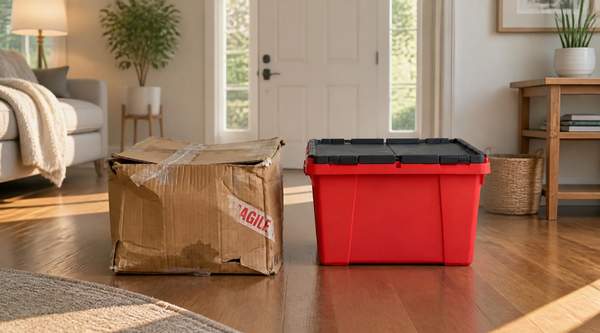
    • Deny Them Shelter: Declutter your home, especially storage areas like basements, attics, and garages. Cardboard boxes are a favorite nesting spot for many pests; switch to plastic bins. Keep firewood stacked at least 20 feet away from the house.
  3. Step 3: Seal Off Entry Points

    Pests can squeeze through surprisingly small openings. Your next step is to conduct a thorough inspection of your home's exterior and seal any potential entry points. This is a project you can tackle over a weekend with a few basic tools. Pay close attention to gaps around utility pipes, vents, and cables entering your home. Use caulk to seal small cracks in the foundation and around windows. Install weather stripping on doors and windows to create a tight seal. A guide from the Building Performance Institute (BPI.org) emphasizes this "seal up" approach as a fundamental step in pest-proofing a home.

    Tool Recommendation: A good quality caulk gun and several tubes of silicone caulk are essential. For larger gaps, use expanding foam sealant. For vents, install fine mesh screens to block pests without impeding airflow.

  4. Step 4: Choose the Right Treatment Method

    If prevention isn't enough and you have an active infestation, it's time to consider treatment. Start with the least toxic options. For ants, bait traps are often the best solution. According to a report from AARP, ants are social creatures living in colonies, so simply killing the worker ants you see is ineffective. Bait traps allow the workers to carry the poison back to the colony, targeting the queen and eliminating the entire nest. For cockroaches, sticky traps can help you monitor their population and location, while baits can be effective for control. If you must use a chemical pesticide, read the label carefully and use it exactly as directed. The EPA recommends checking the National Pesticide Information Center (NPIC) for reliable information on pesticide products.

    Safety Tip: Always wear gloves and ensure proper ventilation when handling any pesticide. Keep children and pets away from treated areas until they are completely dry.

Identifying Common Household Pests

Knowing what to look for is half the battle. While countless critters can find their way indoors, a few usual suspects cause the most problems for homeowners. Here’s a quick guide to identifying them and understanding their behavior.

PestKey Identifying SignsCommon Hiding Spots
AntsVisible trails of ants, small piles of dirt or sand (frass) near baseboards or in basements.Kitchens, bathrooms, along baseboards, inside wall voids, near food and water sources.
CockroachesDroppings resembling coffee grounds, musty odor, shed skins, brown egg capsules (oothecae).Behind refrigerators, under sinks, inside cabinets, near plumbing, in dark and damp areas.
Rodents (Mice/Rats)Droppings, gnaw marks on wood or wiring, shredded paper or fabric for nests, scratching sounds in walls.Attics, basements, crawl spaces, behind appliances, inside wall voids.
SpidersWebs are the most obvious sign. Some species are reclusive and hide in undisturbed areas.Corners of rooms, basements, garages, closets, window frames.
TermitesMud tubes on foundation walls, discarded wings, hollow-sounding wood, sagging floors or ceilings.Inside walls, crawl spaces, wooden structures, anywhere wood contacts soil.

A note on spiders: While many people are unnerved by them, most common house spiders are harmless. In fact, they can be beneficial. As one expert mentioned in the AARP guide, "I leave spiders that are in my house because they’re going to be eating whatever is in there. They’re not bothering me, so as long as they’re not a venomous spider, it’s really not problematic."

Common Mistakes to Avoid in Pest Control

Even with the best intentions, homeowners often make simple mistakes that can prolong an infestation or even make it worse. Avoiding these common pitfalls will make your efforts more effective and keep your home safer.

  • Using "Bug Bombs" Indiscriminately. Total-release foggers, or "bug bombs," are rarely effective for crawling insects like cockroaches or ants. The insecticide doesn't penetrate the cracks and crevices where these pests hide and reproduce. They can also leave behind a chemical residue on surfaces throughout your home.
  • Applying Pesticides Incorrectly. More is not better. Using too much pesticide or applying it in the wrong places can be hazardous to your family and pets. It can also cause pests to scatter, spreading the infestation to other areas of your home. Always follow the product label's instructions to the letter.
  • Focusing Only on Treatment, Not Prevention. Spraying for pests without sealing entry points or removing attractants is like mopping up a flood without turning off the faucet. The pests you kill will quickly be replaced by new ones. Prevention is the only sustainable long-term solution.
  • Misidentifying the Pest. Using a treatment designed for ants will have no effect on termites. A misidentification can waste time and money, and in the case of wood-destroying insects, it can allow for significant damage to occur. If you're not 100% sure what you're dealing with, get a professional opinion.

When to Seek Professional Pest Control

While many minor pest issues can be handled with DIY methods, some situations require a professional. Knowing when to call for help is key to protecting your home and health. Don't hesitate to contact a licensed pest control company if you encounter any of the following scenarios.

You should call a professional when the infestation is large or persistent. If you’ve tried DIY methods and the pests keep coming back, an expert can identify the source and implement a more comprehensive treatment plan. You should also seek professional help when dealing with pests that pose a significant threat to your property or health. This includes termites, which can cause thousands of dollars in structural damage, and bed bugs, which are notoriously difficult to eradicate. Pests that can be dangerous, like yellow jackets or venomous spiders, also warrant a professional's touch. As one expert noted for AARP, "you also need to factor in your personal safety, because if you have something like yellow jackets you can have lots of wasps that are capable of stinging multiple times." Finally, if you have children, pets, or family members with allergies or respiratory issues, a professional can develop a treatment plan that minimizes health risks.

Cost Breakdown: DIY pest control can be inexpensive upfront, with traps and baits costing between $10 and $50. However, if the problem persists, these costs add up. A one-time professional pest control service typically costs between $200 and $600, depending on the pest and the size of your home. Ongoing quarterly or annual contracts can range from $400 to $1,000 per year but provide continuous protection and peace of mind.

Frequently Asked Questions

How can I get rid of pests naturally?

Natural pest control starts with the prevention steps outlined above: cleaning, sealing entry points, and removing food and water sources. For active issues, you can use diatomaceous earth, a natural powder that dehydrates insects, around baseboards and in cracks. A solution of equal parts white vinegar and water can be used to wipe down surfaces, which disrupts ant trails. Boric acid, when used carefully in out-of-the-way places, can also be an effective, low-toxicity powder for controlling cockroaches.

Are ultrasonic pest repellers effective?

Ultrasonic pest repellers are devices that emit high-frequency sound waves designed to be unpleasant for pests like rodents and insects. While manufacturers claim they drive pests away, most independent scientific studies have found little to no evidence that these devices are effective in real-world situations. Pests often quickly become accustomed to the sound, and the waves are easily blocked by furniture and walls, limiting their range.

How often should I have my home inspected for pests?

For most homes, a professional pest inspection once a year is a good preventative measure, especially for detecting hidden threats like termites. If you live in an area with high pest pressure, such as a wooded area or a region with a warm climate, you might consider biannual inspections. You should also schedule an inspection if you notice any signs of a new or persistent pest problem.

The Bottom Line

Start pest protection with a walk around your property to identify and seal any cracks or gaps that invite invaders. This diligent approach, central to Integrated Pest Management, involves correctly identifying pests, eliminating their access to food and shelter, and fortifying your home’s defenses to create natural resistance.