The reported shift in 2026 home decor trends away from minimalism towards bold, layered design is not a simple pendulum swing from one aesthetic to its opposite; rather, it represents a profound evolution in how we define "home." This movement is less about replacing stark white walls with busy patterns and more about embracing a design philosophy centered on authentic, personal expression. It’s a collective exhale, a turning of the page from a prescribed 'look' to a living, breathing narrative of who you are.
Why does this conversation matter so deeply right now? For years, the pursuit of a minimalist ideal often felt like a quest for an elusive, polished perfection. It was a beautiful, serene goal, but one that could sometimes feel impersonal, as if we were curating a gallery rather than crafting a sanctuary. The current shift matters because it validates the messy, beautiful, and ever-changing reality of our lives. It gives us permission to create spaces that aren't just stylish, but are deeply resonant with our memories, passions, and journeys, allowing our homes to evolve with us over time.
Embracing Bold Layered Design in 2026 Interiors
Imagine stepping into a space that feels like a warm, engaging conversation. This is the essence of the design direction gaining traction for 2026. According to a report from aol.com, personality is taking center stage, signaling a move away from the strict adherence to clean lines and neutral tones that defined the last decade. This isn’t a call for clutter, but rather an invitation for curation. The emphasis, the report infers, is on thoughtful layering, collecting meaningful objects, and adding personal details that tell a story.
This evolving philosophy is beautifully captured by three key themes that are reportedly shaping 2026 interiors: calm, contrast, and craft. As outlined by floordaily.net, these pillars guide us toward creating spaces that are both restorative and dynamic.
- Calm: This isn't the stark calm of an empty room, but a deeper serenity found in restorative spaces. Think soft, touchable textures, natural materials that ground you, and a color palette that soothes the senses. It’s the foundation upon which a personal story can be built.
- Contrast: Here is where the personality truly shines. This theme encourages the dynamic combination of different styles, textures, and eras. It’s the antique wooden chest against a modern sofa, the smooth metal lamp beside a rough-hewn ceramic vase. Contrast creates visual interest and makes a space feel intentionally and uniquely yours.
- Craft: The final, crucial layer is the celebration of the handmade and the artisanal. This trend emphasizes unique pieces and details that carry a human touch. Whether it's a hand-thrown pottery bowl, a vintage textile, or a piece of art from a local maker, these items infuse a home with soul and narrative.
Together, these principles suggest a collective move towards interiors that are more expressive and layered. It’s a design language that allows for imperfection and celebrates the small, personal details that make a house a home. It reflects how people actually live, in spaces that grow and change, accumulating stories with each new object and memory.
The Counterargument: Just Another Trend Cycle?
Of course, it's easy to view this shift as just another turn of the trend wheel. Skeptics might argue that we are simply swapping one set of rules for another. We see reports from sources like homesandgardens.com where interior designers state certain 2025 bathroom trends are now considered "outdated." The list includes oversized showers, which can feel cold and impractical, and the cool-toned white and gray porcelain tiles that once felt so fresh and clean. Designers, the article notes, are now swapping these flat, lifeless surfaces for organic textures and natural stones like zellige, limestone, and travertine—materials chosen for how they hold color, texture, and light.
From this perspective, the move towards "bold and layered" could be interpreted as a purely aesthetic reaction—a predictable rebellion against the preceding dominant style. One could argue we are merely replacing the "out" cool-toned minimalism with the "in" warm, textured maximalism. But I believe this view misses the fundamental change in motivation. The previous era was often about achieving a specific, often externally-validated, "right" look. The evolution we're seeing now is driven by an internal desire for authenticity. The goal isn't just to be different from minimalism; it's to be more like ourselves.
The Future of Home Decor: Beyond Minimalist Aesthetics
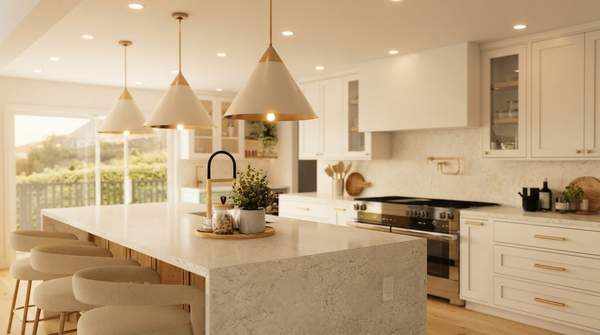
When you look closer, the individual trends emerging for 2026 are not disparate; they are all threads of the same narrative. They point to a future where design choices are less about following a prescriptive style and more about personal storytelling. Consider the kitchen, where, as reported by nationaltoday.com, the biggest design trend of 2026 is mixing metal finishes. Designers now state that perfectly matching hardware can make a space feel "dated," a sentiment echoed by designer Mary Gordon who compared it to the old rule that "shoes, purses, and belts had to coordinate. Predictable and dated."
Mixing brass pulls with a matte black faucet and stainless steel appliances isn't a chaotic choice; it's a curated one. It adds visual interest and a sense of intention, suggesting a space that has been thoughtfully assembled over time. This single trend, as the report notes, reflects the broader shift away from rigid minimalism towards more personalized, nostalgic interiors. It is a microcosm of the entire movement: a small, accessible way for homeowners to inject a curated, collected-over-time feeling into the heart of their home.
This same ethos is transforming our most private spaces. The reported move away from sterile, cool-toned bathrooms is not just about aesthetics; it's about feeling. The embrace of natural stones and textured tiles is a desire for spaces that feel softer, more grounded, and more expressive in their materiality. We are no longer asking only what a room looks like, but how it makes us feel. Minimalism gave us a clean slate, a necessary palette cleanser that stripped away decades of excess. It taught us the value of intention and the beauty of negative space. Now, we are learning to write our own stories on that clean slate, using color, texture, and personal objects as our ink.
What This Means Going Forward
This evolution in home decor doesn't demand a complete overhaul or discarding existing minimalist items. Instead, it's a thoughtful process of addition and personalization. Your home transforms from a static project into a living diary, reflecting an evolving narrative rather than a fixed aesthetic, inviting continuous engagement.
Start small. If the idea of mixing metals in your kitchen intrigues you, begin there. As designers recommend, you can select two complementary finishes and assign them to different zones—for instance, one finish for cabinet hardware and another for lighting and faucets. Or, consider the power of craft. Introduce a single, beautifully made object into your living room: a ceramic vase, a handwoven pillow, or a piece of vintage art. Notice how it changes the energy of the room, how it adds a layer of story and soul.
This evolution is not a rejection of minimalism's core tenets of intentionality and purpose. Rather, it builds upon the "less but better" foundation by integrating pieces that are "less but more meaningful." The homeowner becomes the sole author of their home's story in 2026, crafting a deeply personal narrative for their living space.