Forget the fear of commitment when hanging art: small nails are your best friend, easily patched with spackling paste when it's time for a change. This simple, practical approach empowers you to experiment, transforming your walls into dynamic canvases without permanent worry.
Home decor trends increasingly prioritize personal comfort and evolving narratives, but the traditional approach to integrating fine art often still emphasizes permanence and aspirational aesthetics. This creates a clear tension for homeowners seeking both high design and genuine livability.
Therefore, homes are likely to become dynamic canvases for personal expression rather than static showcases, making the integration of art and design more fluid and less intimidating for the average homeowner. This shift allows for a more authentic reflection of individual style and evolving stories.
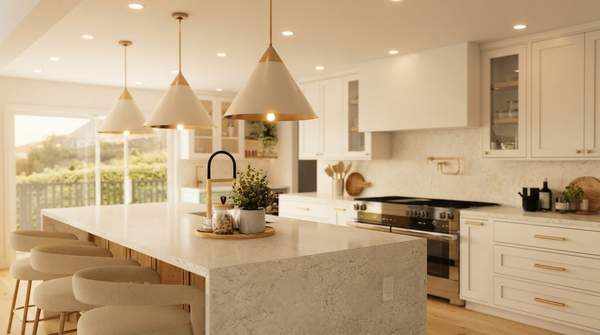
Interior design trends are shifting from pure aesthetics to how a space feels, prioritizing liveable comfort and personality-led design, according to Homes and Gardens. This redefines a well-designed home, moving beyond visual perfection to embrace genuine human experience. Integrating fine art now means selecting pieces that resonate with your personal narrative, transforming your living space into a reflection of your journey, not just a static display.
The Rise of Flexible Living
Informal layouts with flexible seating options are replacing traditional arrangements, accommodating everyday living, as reported by Homes and Gardens. This adaptability extends to wall art; small, easily patchable nails allow for effortless rearrangement, advises the BBC. This empowers homeowners to treat their spaces as dynamic, evolving reflections of their lives. Such flexibility encourages experimentation, allowing art pieces to migrate and interact in new ways, ensuring your home consistently feels current and genuinely personal.
Beyond the Gallery Wall
The BBC's advice on using small, easily patchable nails for art directly challenges the traditional perception of fine art as a permanent, high-value investment. This practical approach to modern home decor is reshaping the established cultural value and display norms of fine art. While some may fear a dilution, this shift actually democratizes art, inviting broader, more personal engagement. Art moves from an untouchable pedestal to an integrated part of daily life, encouraging you to consider how even a simple abstract piece can complement a minimalist home without rigid adherence to gallery-like perfection. Your home becomes a living canvas, where art is meant to be enjoyed, moved, and changed as your personal story unfolds.
Your Story, Your Art
Beyond framed canvases, your personal items contribute significantly to your home's unique character and narrative. Cherished travel souvenirs, inherited heirlooms, or a collection of unique pottery tell a story no mass-produced decor item can replicate. True 'art' in a home often comes from the curated story of its inhabitants, not just objects bought for aesthetic appeal. When you curate your space with objects holding personal meaning, you create an environment distinctly yours, blending fine art with modern design in a deeply personal way. Your home becomes an authentic expression, a living autobiography that speaks volumes about who you are.
The Future of Home as Self-Portrait
This evolution suggests a future where homes are less about aspirational display and more about authentic self-expression. Homeowners are actively dismantling the rigid facade of traditional decor, opting for spaces that evolve as freely as their lives. If companies selling home decor, from art galleries to furniture retailers, fail to recognize this shift towards authentic, adaptable self-expression, they will likely become irrelevant to a generation that sees their home as a living autobiography.
How to blend fine art with modern home design?
To blend fine art with modern home design, focus on pieces that resonate personally rather than strictly adhering to a single aesthetic. Consider contrasting styles, such as placing a classical sculpture on a minimalist console table, to create visual interest. Forbes suggests incorporating unique, artisan-crafted pieces that offer a sense of individuality and warmth, enhancing modern clean lines without sacrificing personality.
What are the latest trends in art for interior design 2026?
The latest trends in art for interior design 2026 lean towards pieces that evoke emotion and tell a story, moving away from purely decorative items. Expect to see a rise in large-scale, impactful abstract works that serve as focal points, alongside a greater appreciation for textural art and mixed media, according to recent design forecasts. The rise in large-scale, impactful abstract works and greater appreciation for textural art and mixed media support the creation of spaces that feel lived-in and deeply personal.
Can I use abstract art in a minimalist home?
Absolutely, abstract art can be a powerful addition to a minimalist home, providing a focal point and injecting personality without clutter. Choose pieces with a limited color palette that complements your existing minimalist scheme, or opt for a single, bold abstract work to create a striking contrast. The key is to select art that enhances the space's tranquility and clean lines, rather than overpowering them.