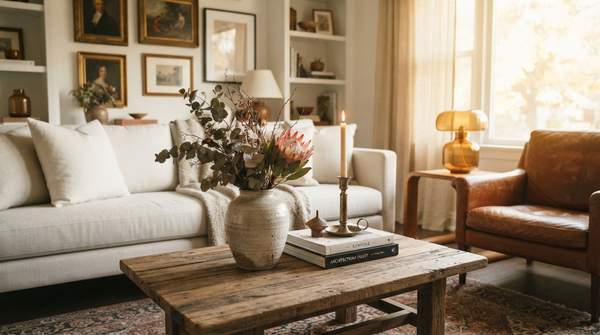
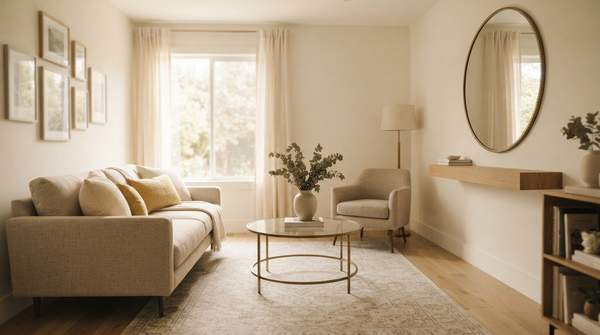
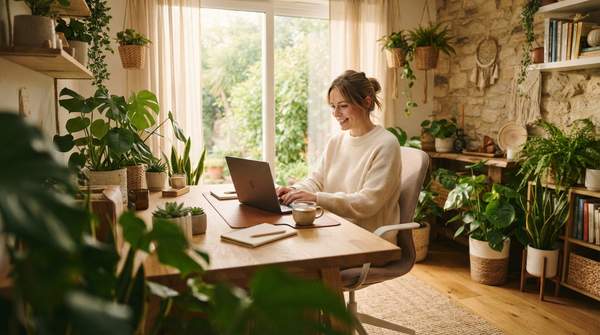
Just months after its peak, the 'quiet luxury' design trend of 2026 is already succumbing to 'beige fatigue,' pushing designers towards a bolder, more colorful future, according to HouseBeautiful. This swift pivot reveals a growing impatience with monochromatic palettes, as homeowners crave expressive, individualistic living spaces.
Design trends aim to guide consumer choices, but their rapid mass adoption often leads to swift fatigue, rendering 'hot' items undesirable. What feels aspirational one season can become ubiquitous the next, quickly losing its distinctiveness and leaving homeowners with dated investments.
This rapid cycle of adoption and rejection means the design landscape appears likely to favor authenticity and unique expression over widespread, easily replicable styles. Consumers now demand spaces reflecting their personality, not fleeting, mass-market aesthetics.
From Fluted Finishes to Failed Hues: What's Out
1. Faux plants
These artificial botanicals, once a simple solution for zero-maintenance greenery, are now "outdated decor items designers want replaced" and "top offenders" for 2026, according to The Spruce. Their often unrealistic appearance detracts from a home's aesthetic, signaling a lack of genuine connection to nature and quickly collecting dust.
2. Edison bulbs
Edison bulbs, while offering a unique vintage charm for industrial cafes, are now "outdated decor items designers want replaced" for 2026. Their warm, dim light often fails to properly illuminate functional living spaces, making them a decorative afterthought rather than a practical solution.
3. Matching furniture sets
Matching furniture sets, once an easy solution for quick coordination, now rank among the "top offenders" designers want replaced. This approach limits individuality, creating a uniform look that lacks depth and personal character. A curated mix of pieces offers far more visual interest and personality.
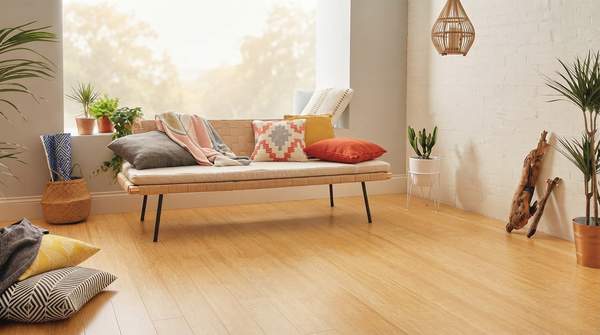
4. Fluted furniture
Fluted furniture, once a high-end detail, is now "overdone due to mass retail saturation," HouseBeautiful reports. This ubiquity makes the look feel "cheap" unless the piece is of "exceptional quality" and used sparingly. Its rapid commoditization highlights the collapsed lifecycle of design trends, where texture quickly becomes trite.
5. Cheap chrome pieces
Cheap chrome pieces, often "knock-offs" that "lack integrity," are "not recommended" by designers, according to HouseBeautiful. While initially modern, these items frequently corrode or show wear quickly, undermining a space's quality perception. Investing in authentic materials or finishes provides lasting appeal.
| Decor Item | Initial Appeal | Current Perception (2026) | Longevity Risk |
|---|---|---|---|
| Faux Plants | Maintenance-free greenery | Outdated, often looks artificial | High; quickly signals dated decor |
| Edison Bulbs | Vintage, industrial charm | Overexposed, poor functional lighting | High; aesthetic has become generic |
| Matching Furniture Sets | Cohesive, easy coordination | Lacks individuality, generic | Moderate; limits personal expression |
| Fluted Furniture | High-end texture, architectural detail | Overdone, feels cheap due to saturation | Very High; rapid decline in perceived value |
| Cheap Chrome Pieces | Sleek, modern finish | Lacks integrity, prone to wear | High; quality issues compromise appeal |
Given the rapid cycle of trend fatigue and the demand for personal expression, the future of home design appears likely to prioritize unique, quality pieces over fleeting, mass-produced aesthetics, ensuring spaces feel authentic and cherished beyond 2026.
What are common interior design mistakes to avoid?
Many designers caution against overly themed rooms, which can feel restrictive and quickly become tiresome. Another common mistake is neglecting proper scale and proportion, leading to furniture that either overwhelms or gets lost in a space. Prioritize balance and flow for a more harmonious environment.
What are the most outdated decor trends?
Beyond the rapid fatigue with "quiet luxury" and the rejection of "Wasabi," trends like overly distressed furniture and word art signs are also widely considered outdated. These items often lack sophistication and can make a home feel less curated. Focus on pieces that offer enduring appeal rather than fleeting novelty.
What are some affordable decor alternatives?
Instead of mass-produced fluted furniture, consider vintage pieces with unique carvings or interesting wood grains for a similar textural appeal at a potentially lower cost. For vibrant color, experiment with removable wallpaper or bold throw pillows rather than committing to a predicted but unproven hue like Wasabi. These choices allow for personal expression without significant investment in fleeting styles.