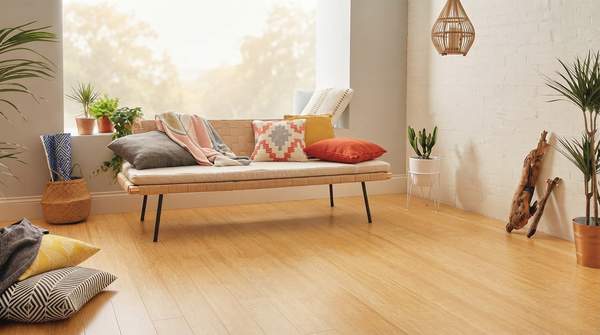
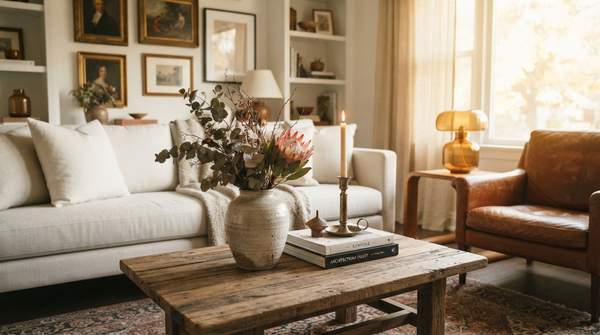
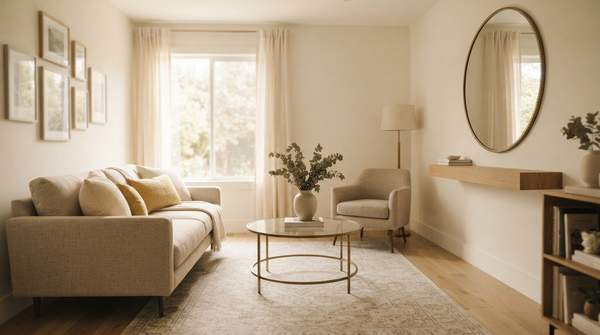
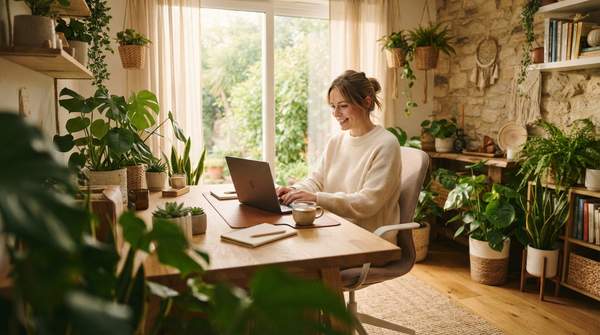
Homes designed primarily for social media are falling out of favor in 2026, according to Forbes. This marks a deeper shift away from superficial aesthetics. The decline in meticulously curated, often impersonal spaces reveals a growing desire among homeowners for environments that truly serve their comfort and personal expression, rather than an external audience. The performative aspect of decor, once dominant, now gives way to authentic living.
While past years saw a surge in disposable, trend-driven decor, consumers are now actively rejecting fast furniture and social media-centric designs. This rejection signals a significant turning point, moving beyond fleeting fads to a demand for enduring quality and inherent character within living spaces.
With familiar styles re-emerging and superficial trends fading, the home decor market appears likely to prioritize longevity, personal comfort, and unique character over fleeting fads.
The End of Fast Decor and Superficiality
Fast furniture, often made with inferior materials, is on its way out in 2026, according to Forbes. Consumers are increasingly valuing durability and craftsmanship over low prices and quick turnover. Similarly, accent walls are predicted to fade in 2026, Forbes reports. Both trends point to a collective turning away from transient decorative statements and towards designs built to last.
This shift gains further momentum with the surprising return of textured ceilings, which will be a trend in 2026 because they add depth and character to a space, according to Good Housekeeping. This embrace of tactile architectural features, alongside the rejection of mass-produced, low-quality items and superficial design elements, reveals a profound preference for lasting quality and sensory richness. It suggests a deeper desire for homes to engage multiple senses, moving beyond purely visual appeal.
A Return to Enduring Comfort
The quest for genuine comfort and longevity now clearly outweighs the allure of performative aesthetics in our living spaces. This isn't merely a stylistic preference; it's a fundamental re-evaluation of what a home should provide. Architectural permanence, exemplified by the resurgence of textured ceilings, now gains favor over superficial styling like temporary accent walls, creating a sense of grounded stability.