In 2026, homeowners are actively seeking 'imperfection' in their living spaces, prioritizing authenticity and personal history over the flawless luxury once championed by design magazines. While the ideal of a perfectly curated home persists, a growing number now embrace design elements that celebrate flaws and individuality. This creates a fascinating tension, challenging long-held notions of domestic perfection. The National Association of REALTORS® notes this pivot towards authenticity over luxury. Homes will increasingly reflect inhabitants' lives, not just unattainable perfection, potentially shifting the entire home decor industry towards bespoke, character-driven offerings that value personal narrative above all.
The Allure of Character-Rich Materials
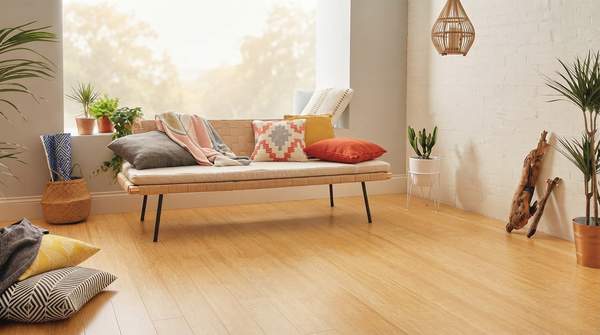
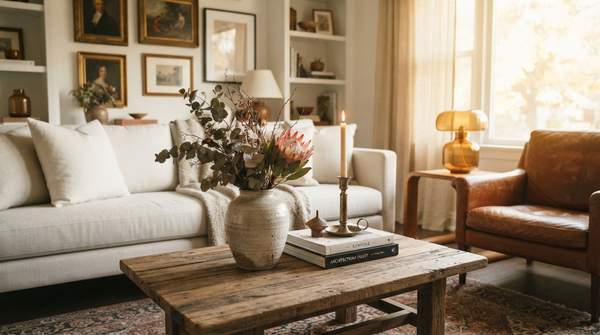
Nature-based materials like natural marble, polished metal, and rustic wood and stone are now central to home design, reports the National Association of REALTORS®. This isn't just a trend; it's a desire for tactile authenticity over manufactured uniformity. Homeowners find comfort in surfaces that show signs of life and use, embracing rather than hiding imperfections. The cool touch of marble, the warmth of aged wood – these materials offer a sensory richness often missing from mass-produced items. Their visible aging tells a story, making a home feel grounded and deeply personal. This shift means our homes are becoming living narratives, not just showcases.
Softening Edges, Embracing Comfort
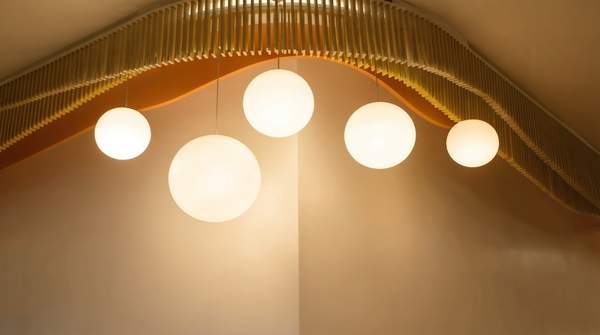
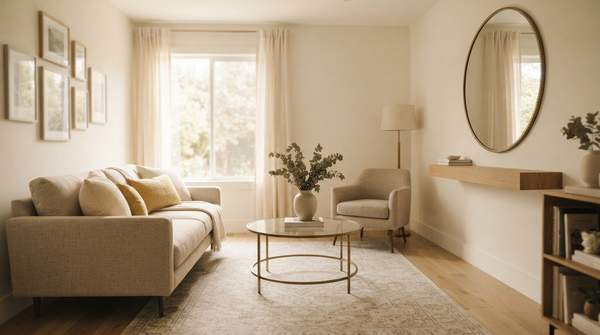
Curved shapes, including scalloped and circular forms, are strongly trending in home design, reports the National Association of REALTORS®. This isn't just about aesthetics; it's a deliberate departure from rigid, sharp lines, signaling a deep yearning for comfort and softness. Think of a gently curved sofa or rounded coffee table, inviting relaxation. This rise of organic forms prioritizes tactile comfort and psychological warmth, transforming our personal spaces. It reveals a collective desire for environments that are less visually demanding, fostering a sense of ease and belonging that feels deeply nurturing.
Designing for a Lived Life
The embrace of imperfection presents a significant challenge and opportunity for the home decor industry. As the National Association of REALTORS® observes, design trends are moving beyond luxury to prioritize authenticity, transforming the home from a status symbol into a sanctuary. This demands that retailers and designers pivot, offering products that tell a story and resonate deeply, rather than just looking expensive. Consumers are now curating spaces with textures and origins that build a unique, personal narrative, celebrating the beautiful reality of everyday living. The industry must respond by fostering bespoke and character-driven offerings, truly valuing personal narrative above all.