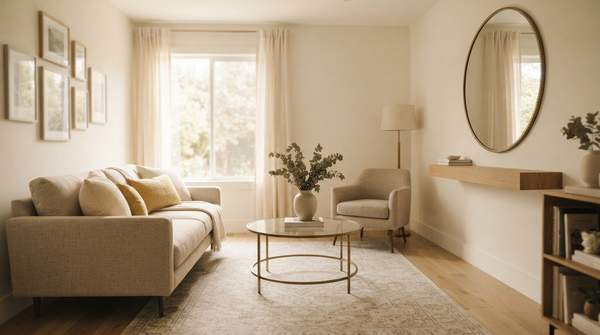
Interior design is actively moving away from stark, overly curated aesthetics towards spaces that feel grounded, inviting, and authentically personal, according to Woodgrain. This shift embraces a "cozycore" aesthetic, prioritizing genuine lived experience over pristine displays. For years, design emphasized minimalist perfection, creating spaces that felt more like showrooms than homes. Now, the dominant trend leans towards inviting, personal spaces that prioritize comfort and storytelling. This tension between aspirational perfection and lived-in warmth has finally tipped. Homes will increasingly reflect individual narratives and a blend of old and new, signaling a decline in demand for purely contemporary or mass-produced decor. This re-evaluation of home as a sanctuary reveals a deeper yearning for connection and personal expression.
Modern Heritage: Blending Eras for Personal Stories
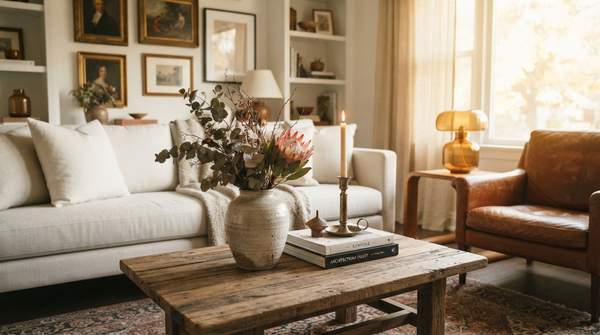
The "Modern Heritage" concept redefines interior spaces. Homeowners are increasingly drawn to spaces that tell a story, blending timeless architectural details with modern materials, furnishings, and updated color palettes, according to Woodgrain. This isn't random mixing; it's a deliberate move to curate history within your home. This approach creates a richer, layered aesthetic, reflecting individual journeys and moving beyond transient trends. Imagine classic wainscoting paired with a contemporary sofa, or antique heirlooms alongside sleek, modern lighting. The goal is a dialogue between eras, giving your home a unique voice. Embrace the character time imparts; a well-worn leather armchair beside a newly upholstered ottoman, or vintage photographs mixed with abstract art. Each piece contributes to a narrative, making your home authentically yours, not a catalog page.
The Rise of Textured Warmth
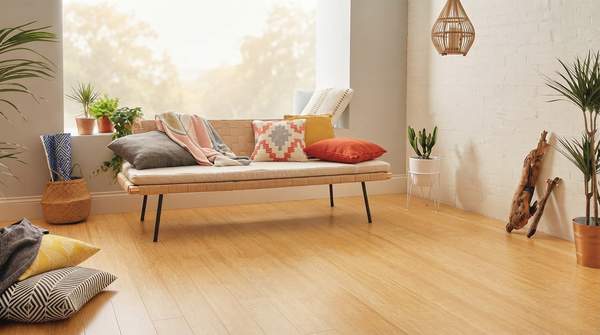
A defining aesthetic involves a sophisticated blend of natural elements. Mixing wood tones, where different finishes are blended to create depth and harmony, is becoming a defining look, according to Woodgrain. This trend moves away from uniform finishes, celebrating organic variation. Varied wood tones create visual depth and a sense of warmth and lived-in comfort. Imagine a warm oak dining table next to chairs with darker walnut legs, or a light maple bookshelf against a richer cherry floor. This deliberate blending creates dynamic visual interest, feeling less 'perfect' and more authentic. This preference for organic texture challenges the long-held dominance of pristine, impersonal design. It invites a deeper appreciation for natural elements' imperfections and unique characteristics, fostering a cohesive, inviting atmosphere.