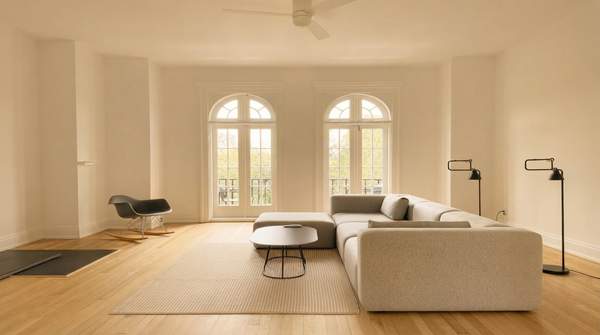
Imagine walking into your home after a long day and feeling an immediate sense of calm, not from a spa treatment, but because your living space actively reduces your stress. Many believe minimalism demands extreme sacrifice, fearing stark, empty rooms. Yet, it actually offers significant gains in peace and practicality. Therefore, embracing minimalist principles appears to be a highly effective strategy for improving mental well-being and daily efficiency within the home, challenging the notion that more possessions equate to a richer life. A minimalist home is less stressful because clutter acts as a visual distraction, constantly pulling at your attention, according to zenhabits. An immediate reduction in visual noise directly translates to a calmer mental state, making your home a true sanctuary.
Beyond Bare Walls: Defining True Minimalism
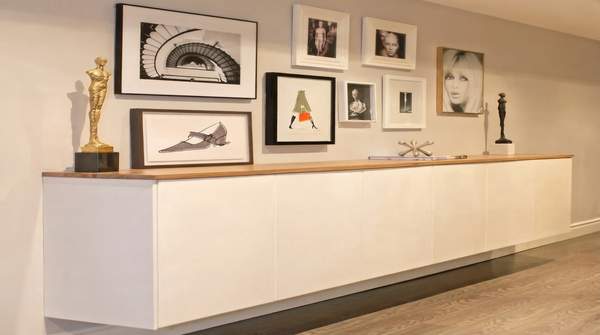
A minimalist home, contrary to popular belief, is more appealing with beautiful furniture and carefully chosen artwork, according to zenhabits. Minimalism isn't about deprivation; it's about curating a space where every item serves a purpose or brings joy. You are creating an environment designed for serenity and function. The core of this approach involves thoughtful selection, evaluating each possession for its utility and emotional value. This ensures your home reflects your priorities, transforming your space into a calming, purposeful haven.
Strategies for Intentional Decluttering
To begin, focus on one small area, like a single drawer or shelf. This manageable approach builds momentum and prevents overwhelm, as small victories encourage larger changes. Consider the “one in, one out” rule for new purchases: for every new item, remove an existing one. This strategy maintains your decluttered space and prevents future accumulation. Categorize items into “keep,” “donate,” “discard,” or “relocate” piles to streamline decisions. Regularly reviewing your belongings ensures your space remains intentional. Schedule a quarterly “decluttering check-in” to reassess items you might no longer need or use, helping you stay on track with your minimalist goals.
The Unexpected Perks of a Decluttered Life
A minimalist home offers a key advantage: it is easier to clean because there are fewer objects and less furniture to clean around, according to zenhabits. The practical benefit of reduced cleaning time frees up valuable hours. Homes laden with clutter are not merely untidy; they are insidious drains on cognitive resources and personal time, contributing to chronic stress. By systematically reducing visual distractions and simplifying cleaning, minimalist design doesn't just reduce stress. It directly creates more tangible free time and mental clarity, expanding your daily capacity. This reclaimed time and mental space can be redirected towards personal growth, hobbies, or simply relaxing. The evidence from zenhabits strongly suggests that embracing minimalist principles is less about aesthetic preference and more about a strategic investment in mental well-being and the reclamation of precious personal hours. You are actively choosing peace and efficiency.