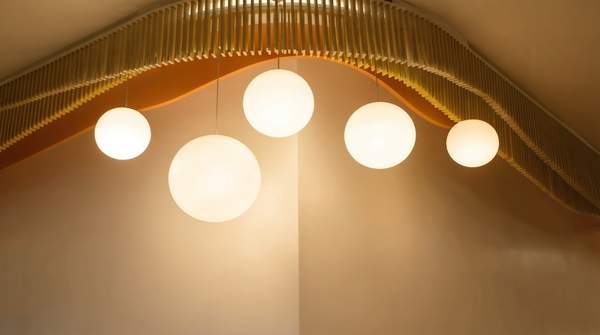
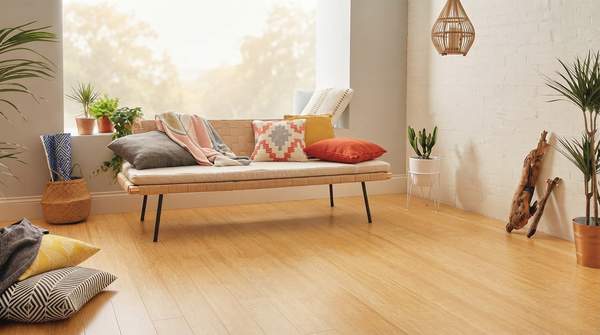
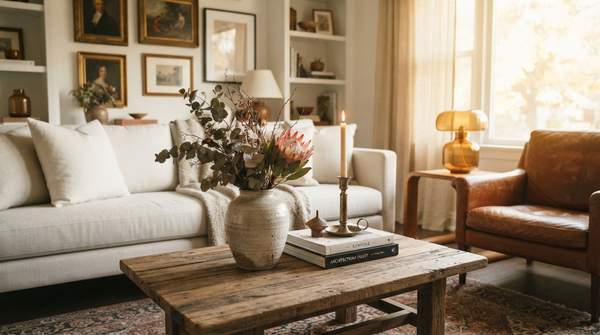
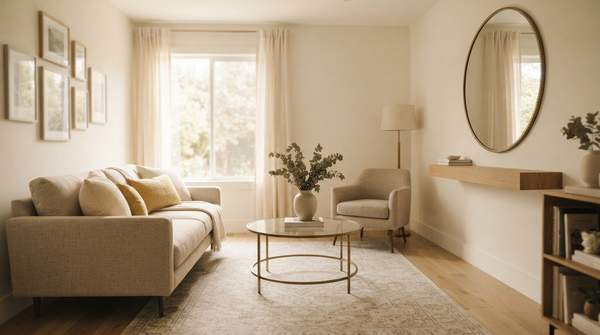
The warm wood and patterned wallpaper defining 90s homes will be back in vogue, signaling a surprising return to comfort amidst design exhaustion, according to Parade Magazine. This anticipated resurgence of specific 90s home decor trends suggests a collective consumer rejection of constant novelty. Homeowners are seeking spaces that feel grounded and familiar, moving away from the relentless churn of fleeting styles. This shift prioritizes personal comfort and stability in living environments.
The design industry constantly introduces new aesthetics, yet consumers are increasingly turning to recently discarded 90s styles. This pivot suggests a deeper weariness with novelty in the home decor market, where superficial trends often overshadow lasting appeal. The tension between industry innovation and consumer preference for the familiar is clearly visible.
Based on the rapid recycling of past aesthetics and designer frustration, the home decor market appears to be prioritizing nostalgic comfort and familiarity over genuine innovation. This trajectory could lead to a more cyclical and less distinct future for interior design, where durability and personal connection to style outweigh momentary "chic."
The Unmistakable Return of the Nineties Aesthetic
Checkerboard tiles, for instance, are becoming a chic retro trend in kitchens, as noted by Homes and Gardens. This embrace of once-discarded patterns illustrates a clear pattern of consumers seeking comfort and familiarity in aesthetics recently considered outdated. The simplicity and graphic appeal of these tiles offer a refreshing contrast to overly complex or stark modern designs.
The forecasted return of 90s elements like warm wood, patterned wallpaper (Parade Magazine), and checkerboard tiles (Homes and Gardens) suggests that the design industry's relentless push for novelty is backfiring, driving consumers to seek enduring comfort over fleeting trends. A holistic embrace of a specific era's overall aesthetic, rather than isolated nostalgic pieces, indicates a deeper rejection of contemporary minimalism or maximalism. Consumers are moving towards cohesive environments that feel authentic and lived-in.