The typical single-family home costs over $21,000 annually to own and maintain, a figure many homeowners fail to budget for, according to Bankrate. Homeowners often focus on mortgage payments and property taxes, but they significantly underestimate the substantial annual costs required for essential upkeep. This oversight leads to deferred maintenance, eroding property value and creating significant financial strain beyond mortgage payments. Without a dedicated maintenance budget, homeowners are likely to face escalating repair costs and a decline in their property's long-term value, impacting overall financial health.
Breaking Down the Annual Maintenance Bill
Just four common services—house cleaning, roof repair, tree trimming, and lawn mowing—total over $6,000 annually. This leaves a staggering $15,000 in unitemized annual costs to reach the $21,000 total, revealing a vast hidden financial burden homeowners rarely anticipate. A dedicated budget for these essential services is critical for financial stability.
1. Roof Repair or Maintenance
Prioritizing structural integrity and property value, homeowners should budget for roof maintenance. The average annual cost is $1,471, according to Bankrate. While this prevents water damage and maintains structural integrity, neglecting it can lead to a much larger expense: asphalt roof replacement, which costs $5,800 to over $13,000, as stated by State Farm.
2. HVAC Maintenance
For efficient climate control and extended system lifespan, HVAC maintenance is crucial. It typically accounts for 5% to 7% of a total maintenance budget, notes Costimates. While this improves air quality and extends system life, neglecting it risks costly replacements: a furnace can range from $2,000 to $5,400, and central air conditioner replacement costs $3,900 to over $8,000, according to State Farm. Proactive care avoids these significant expenses and higher energy bills.
3. Plumbing Maintenance
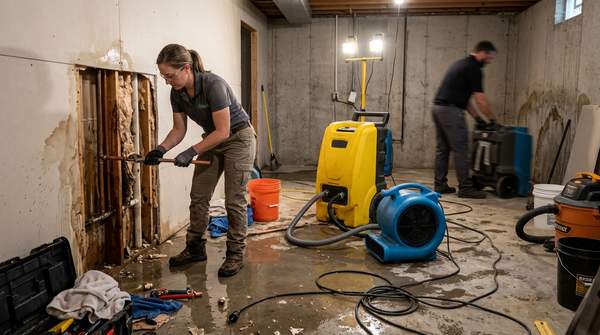
Preventing water damage and ensuring sanitation relies on plumbing maintenance, which typically falls between 3% and 5% of a total maintenance budget, Costimates reports. Neglecting this can lead to expensive repairs. Hidden issues, if undetected, can cause extensive and costly damage from leaks and mold, making regular checks essential.
4. Tree Trimming and Removal
For safety and curb appeal, tree trimming and removal are vital. The average annual cost is $1,138, according to Bankrate. Regular service prevents damage from falling limbs, enhances aesthetics, and removes hazardous branches. This proactive approach safeguards property and contributes to overall market attractiveness.
5. Appliance Maintenance
To prolong appliance life and avoid unexpected replacement costs, homeowners should prioritize appliance maintenance. It generally represents 3% to 5% of a total maintenance budget, according to Costimates. This upkeep ensures household functionality and improves efficiency. Ignoring it can disrupt daily life and lead to unexpected financial strain when systems fail prematurely.
6. Fireplace and Chimney Cleaning or Repair
Prioritizing safety and preventing fire hazards, homeowners must ensure regular fireplace and chimney cleaning. This service saw a 16.73% year-over-year increase in cost, Bankrate indicates. Regular cleaning is critical for preventing chimney fires and ensures safe operation. The significant cost increase underscores the growing importance of this safety-critical service.
The Long-Term Value of Proactive Care
Investing in regular upkeep prevents premature wear and tear, deferring costly replacements and preserving home functionality and value. As State Farm advises, routine maintenance prolongs a home's systems. Ignoring small problems leads to exponential repair costs, making timely intervention a critical money-saving strategy. The sheer scale of Bankrate's $21,000 annual cost implies that essential upkeep is not a minor chore but a significant, unavoidable financial commitment demanding dedicated savings, not just reactive spending. Homeowners who fail to budget proactively are not just neglecting their property, but actively diminishing their largest asset's long-term value.
| Maintenance Service | Proactive Benefits | Risk of Neglect | Impact on Property Value |
|---|---|---|---|
| Roof Repair/Maintenance | Extends roof lifespan by years, prevents water damage, preserves structural integrity. | Leaks, mold, structural damage, premature roof replacement (costing $5,800 to over $13,000). | Maintains curb appeal and structural soundness, essential for resale. |
| HVAC Maintenance | Improves energy efficiency, extends system life, ensures consistent indoor comfort. | System breakdowns, higher energy bills, reduced air quality, premature replacement ($2,000-$8,000+). | Enhances livability and appeal, contributes to energy efficiency ratings. |
| Plumbing Maintenance | Prevents leaks, reduces risk of water damage and mold, ensures proper drainage. | Burst pipes, extensive water damage, mold growth, costly emergency repairs. | Protects against structural damage, maintains sanitary conditions. |
| Tree Trimming/Removal | Removes hazardous limbs, prevents property damage, enhances landscape aesthetics. | Falling branches damaging roof or utilities, potential injury, reduced curb appeal. | Contributes to overall curb appeal and safety, increasing market attractiveness. |
Common Maintenance Questions Answered
What are the most important home maintenance tasks annually?
Annually, critical tasks include HVAC system checks, roof inspections, and plumbing assessments. These services address major systems whose failure can lead to significant structural or financial burdens, directly impacting your home's overall health and value.
How often should I service my HVAC system?
HVAC systems typically require professional servicing at least once a year, ideally before the heating or cooling season begins. Regular maintenance ensures optimal efficiency, prolongs the system's lifespan, and helps prevent unexpected breakdowns.
What home maintenance can I do myself?
Homeowners can manage several tasks, such as cleaning gutters, inspecting visible plumbing for leaks, and performing basic yard work. While the average annual cost for lawn mowing is $823, according to Bankrate, handling some smaller tasks can help offset larger professional service costs, likely preserving property value and reducing overall expenses.