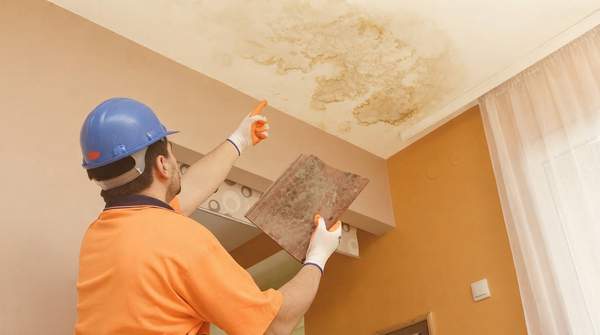
A cracked shingle today can turn into a leaky roof tomorrow, a minor oversight costing thousands in unexpected repairs, according to AHS. A clogged gutter now could mean water damage later, leading to expensive structural issues if ignored. State Farm confirms that addressing minor issues promptly prevents escalation into costlier problems or full replacements. Neglecting small seasonal tasks quickly compounds into significant financial burdens.
Homeowners often view maintenance as an optional chore, but neglecting small tasks inevitably leads to significantly larger, more expensive problems. This tension creates a hidden "neglect tax" on properties, where the cost of inaction far exceeds the expense of proactive care. For more, see our Top Essential Home Maintenance Tasks.
Many homeowners are unknowingly trading minor, manageable efforts for the risk of major financial burdens and diminished home value.
The Financial Case for Routine Upkeep
Setting aside 1% to 4% of a home's value annually is a rule of thumb for a home maintenance fund, according to State Farm. This commitment often translates into thousands of dollars yearly, a figure many homeowners underestimate. State Farm's guideline suggests homeowners consistently under-budget for upkeep, exposing a widespread blind spot in household financial planning.
Routine maintenance, like inspecting and cleaning components every summer and fall, prolongs the life of home systems and appliances, State Farm notes. This proactive approach ensures major assets, such as HVAC systems or water heaters, function efficiently, delaying costly replacements. Proactive financial planning protects home value, extends system lifespans, and avoids unpredictable budget shocks.
Essential Seasonal Tasks to Prevent Costly Repairs
Air filters in HVAC systems should be changed at least once every three months, advises the National Association of Home Builders (NAHB). This simple, low-cost task maintains air quality and system efficiency, preventing premature unit failure. Neglecting regular filter changes directly contributes to the substantial annual maintenance fund suggested by State Farm, linking small actions to large financial requirements.

Homeowners should clean faucet aerators every three to four months, according to NAHB, preventing mineral buildup and maintaining water pressure. Annually, a CSIA-Certified chimney sweep should inspect your chimney and fireplace, recommends NAHB, ensuring safe operation and preventing fire hazards. A consistent schedule for these simple tasks maintains a safe, efficient, and well-preserved home.
The minor tasks detailed by NAHB, like changing air filters or cleaning aerators, are not optional chores but critical preventative measures. Neglecting them transforms manageable, low-cost maintenance into expensive, escalating repairs, as seen in AHS's "cracked shingle" scenario. This reveals a fundamental misunderstanding of risk among homeowners.
The Hidden Costs of Deferred Maintenance
Ignoring small issues, like a minor roof leak or a dripping pipe, creates significant financial burdens. An unaddressed leak escalates from minor repair to major renovation, causing extensive water damage, mold, and compromised structural integrity. The true cost of neglect is not just the initial fix, but the exponential damage escalation, turning a few dollars in prevention into thousands in remediation.
A clogged gutter might seem insignificant, but it can direct rainwater to pool around the foundation, leading to cracks, basement flooding, or foundation repair. These issues are far more expensive and disruptive than cleaning gutters twice a year. The cumulative annual financial commitment (1-4% of home value, per State Farm) positions home maintenance as a significant, recurring investment, comparable to property taxes or insurance, not an optional expense.
Smart Strategies for Proactive Home Care
Creating a comprehensive seasonal maintenance calendar simplifies proactive home care. Scheduling tasks like fall gutter cleaning and spring HVAC checks ensures consistent upkeep. This structured approach spreads the workload, prevents tasks from piling up, and reduces costly emergency repairs.
The longevity of essential home systems ties directly to consistent, seasonal inspections and cleaning. Maintenance isn't just about fixing problems; it extends the useful life of major assets, delaying costly replacements. Regularly cleaning refrigerator coils, for example, can extend its life by several years, saving hundreds. Budgeting proactively, perhaps monthly, makes the annual financial commitment more manageable.
What are the most important home maintenance tasks?
Beyond routine cleaning, inspecting your home's foundation annually for cracks, testing sump pump functionality, and sealing any gaps around windows and doors are critical tasks. These help prevent water intrusion, maintain energy efficiency, and protect structural integrity against environmental factors.
How often should I do seasonal home maintenance?
A good cadence for seasonal home maintenance involves a quarterly review, with more extensive deep dives in the spring and fall. This ensures that your home is prepared for upcoming weather conditions and helps identify potential issues before they escalate, aligning with the goal of preventing costly repairs.
What maintenance can I do in the fall to prevent winter damage?
In the fall, homeowners should focus on draining outdoor faucets to prevent pipes from freezing, inspecting the roof for loose or damaged shingles, and clearing all gutters and downspouts of debris. Checking insulation levels in attics and crawl spaces also helps prepare for colder temperatures and improves energy efficiency.
If homeowners adopt a consistent, proactive maintenance schedule, they will likely see reduced long-term costs and a more reliable home, potentially avoiding the significant unexpected repairs that often arise from neglect.