Imagine a backyard scene not of perfectly manicured rose bushes and ruler-straight lawn edges, but of a family relaxing under a timber pergola as the sun sets. Soft, warm light, designed to mimic the day's natural cycle, begins to glow. This is not a space of constant work, but one of genuine leisure. This snapshot captures the heart of the emerging garden trends for Spring 2026, a significant behavioral shift where outdoor spaces are being reclaimed as extensions of the home—designed for living, not just for labor. Recent industry reports, including a notable analysis from the Garden Media Group, confirm that homeowners are fundamentally changing how they interact with their yards, prioritizing personal well-being and intentional design over outdated ideals of perfection.
What People Are Doing Differently
Homeowners are moving away from high-maintenance landscapes, adopting practices that foster relaxation, sustainability, and personal expression. House Beautiful's analysis confirms a defining trend: a deliberate move away from perfectionism, transforming gardens into places for spending time rather than perpetual management. This shift manifests in several distinct behaviors.
- Creating Outdoor 'Rooms': A key trend identified for 2026 is "zoning." Homeowners are strategically dividing their outdoor spaces into distinct areas with specific purposes. This could mean a dedicated dining area under a pergola, a quiet corner with a bench for reading, and an open space for children to play. This approach transforms a monolithic lawn into a multi-functional extension of the home's living area.
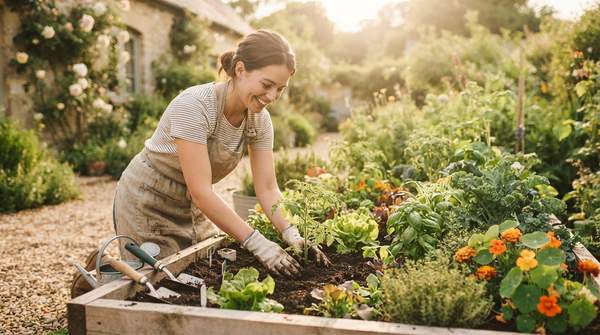
- Embracing Imperfection and Wildness: The desire for a low-maintenance lifestyle is leading many to adopt a "wild planting" style. This involves using more native plants, allowing for a less structured and more natural look. This approach not only reduces the time spent on upkeep but also supports local ecosystems.
- Prioritizing Personal Well-being: Data reveals a growing use of outdoor spaces for mental and emotional health. A Spring Trend Report from Pinterest, based on search and save data from its over 600 million users, highlights a desire for "mini escapes." Searches for "10-minute garden breaks" and "balcony makeovers" indicate people are actively creating small, accessible sanctuaries for quick moments of peace and connection.
- Adopting Thrifty, Sustainable Habits: There is a growing interest in propagation—the practice of growing new plants from existing ones. According to House Beautiful, collecting seeds and taking hardwood cuttings is becoming a more common habit. This self-sufficient approach is not only cost-effective but also deepens the gardener's connection to their plants and reduces waste.
The Forces Shaping Emerging Garden Trends for Spring 2026
The evolution in gardening is rooted in powerful cultural, generational, and technological shifts, redefining our relationship with homes and personal spaces. Swan Hose's analysis highlights the growing emphasis on emotional well-being: gardens are becoming active participants in homeowners' mental health strategies, not just backdrops.
Generational attitudes play a crucial role. According to an interpretation of Pinterest's data by JCK Online, Gen Z and millennials are driving a "my room, my rules" era in home and garden design. This cohort prioritizes comfort over status, playfulness over external approval, and personal vibes over passing fads. This explains the move toward personalized, quirky, and comfortable outdoor spaces rather than formal, imposing landscapes. The same report notes a preference for low-maintenance gatherings, with increased searches for picnics and grazing boards, reflecting a desire for connection without the fuss of a formal event.
Technology is also enabling new possibilities. The predicted rise of biophilic lighting is a prime example. This technology, which mimics natural light cycles with warm tones and soft brightness, allows homeowners to extend the usability of their outdoor spaces into the evening while maintaining a connection to natural rhythms. It transforms a patio or pergola from a daytime-only spot into a welcoming evening retreat, further blurring the line between indoors and out.
Real-World Examples of Modern Garden Design
Emerging garden trends are taking shape in backyards nationwide, from suburban lots to urban balconies. Homeowners apply these principles to create beautiful, deeply functional spaces. Real-world applications include:
The Pergola as the New Family Room
The humble pergola is undergoing a major transformation. Once a simple structure for climbing plants, it is now being reimagined as a modern, versatile alternative to the traditional conservatory. As one report notes, pergolas "will be used more as an extension of the home in 2026." Homeowners are outfitting them with comfortable, all-weather furniture, outdoor rugs, and sophisticated lighting systems. The result is a true outdoor room—a defined space for dining, entertaining, or simply relaxing that feels integrated with the main house, allowing homeowners to maximize their usable living area without the expense of a full structural addition.
The Re-Wilded Lawn, Inspired by Nature
The concept of a "wild" garden is gaining significant traction, with some experts tracing its modern roots back to conservationist David Attenborough's own 1990s garden. This approach intentionally moves away from the chemical-heavy, water-intensive monoculture of a perfect green lawn. Instead, homeowners are introducing native grasses, wildflowers, and pollinator-friendly plants. The result is a dynamic, living landscape that changes with the seasons, supports local wildlife, and requires far less maintenance. This style is not about neglect, but about curating a natural ecosystem. It is a practical application of the shift away from perfection and toward a more harmonious relationship with the environment.
The Urban Balcony as a Micro-Sanctuary
Small urban spaces exemplify the focus on well-being and personalization. Driven by Pinterest's "mini escape" trend, city dwellers transform tiny balconies and patios into lush, private retreats. Vertical planters, compact furniture, and container gardening create personalized oases for personal moments of peace—a morning coffee or a quiet 10-minute break from remote work. This "my room, my rules" ethos proves a meaningful connection with nature doesn't require a large plot.
What This Means for the Future of Outdoor Living
This behavioral shift liberates homeowners from maintaining flawless yards. It validates outdoor spaces serving inhabitants' needs, enhancing property value and quality of life. The focus shifts to creating stress-reducing spaces, signaling a broader change for landscape designers and the gardening industry.
The industry must adapt to new consumer priorities: nurseries will see increased demand for native plants, drought-tolerant species, and propagation seeds. Landscape architects will create zoned, multi-functional spaces prioritizing comfort and usability. The market for outdoor living products—advanced pergolas, biophilic lighting, comfortable furniture—is poised for significant growth. Successful brands will sell a relaxed, connected, personalized lifestyle, not just products.
Emerging garden trends for Spring 2026 point to a more intentional, balanced approach to our immediate environment. By letting go of perfection, homeowners discover a deeper, more rewarding way to live with nature, transforming gardens into sanctuaries.
Key Takeaways
- Function Over Formality: The primary shift for 2026 is toward creating outdoor spaces for living, relaxing, and connecting, rather than for purely ornamental purposes. The focus is on usability and personal well-being.
- Personalization is Paramount: Driven by younger generations, gardens are becoming unique expressions of personal style. The "my room, my rules" mindset favors comfort and playfulness over traditional, status-driven designs.
- Key Structures and Styles: Watch for the rise of pergolas as outdoor rooms, the adoption of "wild" and naturalistic planting schemes, and the use of technologies like biophilic lighting to enhance atmosphere and extend usability.
- Sustainability as a Habit: Practices like propagating plants from cuttings and seeds are becoming more mainstream, reflecting a desire for a more cost-effective, self-sufficient, and environmentally conscious approach to gardening.