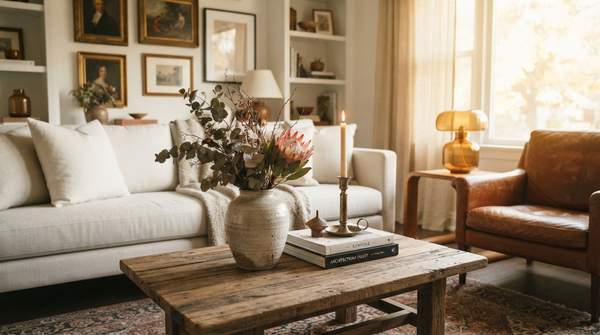
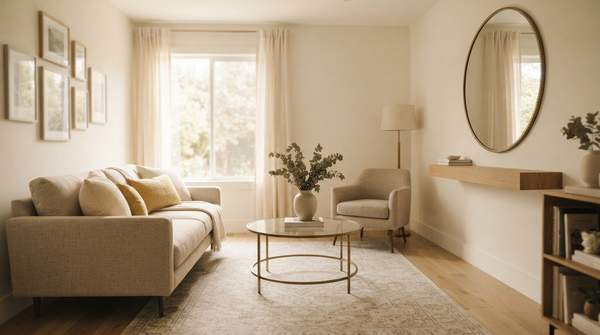
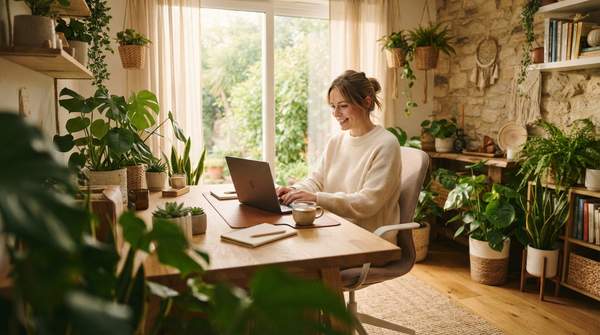
Robert Ulrich’s landmark 1984 study showed that hospital patients with a view to nature recovered faster and required less pain medication than patients with a view of a brick wall. The profound, measurable impact that even a simple visual connection to the natural world can have on human recovery and overall well-being was underscored by this pivotal research. Imagine the quiet comfort of a sun-dappled room, or the serene presence of greenery, actively contributing to healing and reducing discomfort during vulnerable times.
However, despite this clear evidence of nature's therapeutic power, biophilic design is increasingly recognized for its profound positive impact on human health and productivity, but residential environments are often overlooked as a primary setting for these therapeutic benefits. People spend a significant portion of their lives within their homes, yet these spaces frequently lack intentional connections to nature.
As awareness grows, homeowners will increasingly seek to integrate biophilic principles, leading to a greater demand for both effective design strategies and sustainably sourced materials. The intentional integration of biophilic design into residential interiors offers a largely untapped, cost-effective therapeutic intervention that dramatically improves mental and physical health outcomes for homeowners.
What is Biophilic Design?
Biophilic design, a concept gaining traction in home interiors for well-being in 2026, systematically integrates natural elements into built environments. It operates on the premise that humans possess an innate tendency to connect with nature, a concept known as biophilia. This design approach aims to satisfy that innate connection, fostering healthier and more productive living spaces.
The benefits of nature connectedness are extensive and well-documented. According to PMC, these advantages include relaxation, stress relief, lower blood pressure and heart rate, and decreased chronic pain. Individuals also experience improved cognitive functioning, increased positive emotions, and reduced fatigue, aggression, and sadness. Biophilic design applies these proven principles to create environments that naturally support human physiological and psychological health, transforming everyday spaces into sanctuaries of well-being.
By consciously weaving natural patterns, forms, and sensory experiences into the fabric of a home, biophilic design moves beyond mere aesthetics. It creates a living environment that actively contributes to the occupants' mental clarity, emotional balance, and physical vitality. The approach ensures that your home is not just a shelter, but a dynamic partner in your health journey, offering continuous, measurable improvements in daily cognitive function and emotional well-being.
Beyond Plants: The Three Pillars of Biophilic Interiors
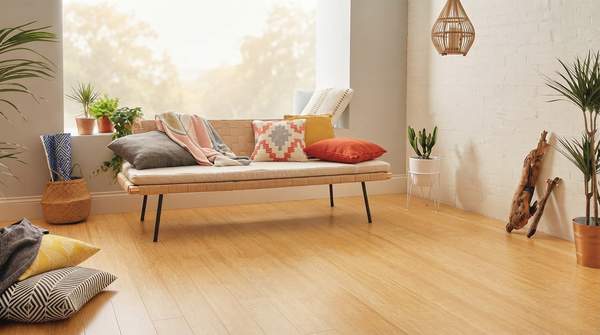
Integrating biophilic elements into home interiors extends far beyond simply adding a few houseplants; it involves a comprehensive approach built on three core categories. These pillars are 'Nature in the Space,' 'Natural Analogues,' and 'Nature of the Space,' each offering distinct ways to enhance your living environment. Understanding these categories provides a robust framework for creating truly restorative homes.
'Nature in the Space' involves the direct, physical presence of nature within a room. This includes elements such as indoor plants, water features, and maximizing natural light. For instance, views of plants, water, and natural light are proven to lower anxiety and cortisol levels, boosting productivity and creativity, according to the Journal of Biophilic Design. These elements directly support physical health and enhance mood and satisfaction, making them fundamental to a biophilic home. Incorporating living walls or strategically placed windows that frame outdoor greenery are effective ways to achieve this direct connection.
'Natural Analogues' refer to indirect connections to nature through patterns, textures, and materials that evoke natural forms. Think of wallpaper with organic motifs, textiles resembling bark or leaves, or furniture with biomorphic shapes. These elements subtly tap into our innate preference for natural geometry without requiring actual living organisms. Finally, 'Nature of the Space' focuses on spatial configurations that mimic natural environments, such as prospects (unobstructed views), refuges (places of retreat and safety), and complex, ordered arrangements. These categories provide a framework for integrating diverse natural elements, from direct views to subtle patterns, to achieve comprehensive well-being benefits, making your home a truly restorative haven.
The Sustainable Paradox: 'Natural' vs. Eco-Friendly Materials
While the aspiration to connect with nature often leads designers and homeowners to prioritize 'natural' materials, a critical tension exists regarding their actual environmental impact. The desire for authentic wood or stone finishes can, paradoxically, undermine the broader sustainability goals inherent in biophilic design. It is essential to consider the full lifecycle of materials, from sourcing to disposal, to make truly eco-conscious choices.
The downside of biophilic design can arise from specifying materials without fully understanding their impact on the project, occupants, and natural resources, according to Architectural Digest. For example, manufactured wood veneer can waste 50% to 80% of harvested wood, highlighting an often-overlooked inefficiency. Similarly, the marble industry generates significant waste and pollution during its production processes. The very essence of biophilic design—connecting with nature—is complicated by the environmental impact of sourcing traditional natural materials, suggesting a need to redefine 'natural' in design to include sustainable engineered alternatives.
Fortunately, engineered surfaces like porcelain tile and high-pressure laminate (HPL) can be more sustainable alternatives to natural wood and stone, generating less waste and sometimes using recycled content, as also noted by Architectural Digest. These materials can replicate natural aesthetics while offering superior durability and a smaller ecological footprint. True biophilic design extends beyond aesthetics to consider the full lifecycle impact of materials, often favoring engineered or recycled options over conventionally sourced 'natural' ones for environmental integrity. The approach ensures that your pursuit of a nature-connected home also aligns with responsible environmental stewardship.
Bringing Nature Home: Why Residential Biophilia is Crucial
The profound therapeutic power of nature, proven in clinical settings to accelerate healing and reduce pain, is significantly underutilized in the very places people spend most of their time – their homes. Residential environments are often overlooked as a complementary means to improve therapeutic outcomes, according to PMC. The oversight represents a missed opportunity for continuous, daily health enhancement.
Homeowners are unknowingly foregoing significant, measurable improvements in daily cognitive function, stress reduction, and emotional well-being by not prioritizing simple biophilic elements. Based on findings from PMC and Robert Ulrich’s landmark study showing hospital patients with nature views recovered faster, homeowners are missing a critical, low-cost opportunity to turn their living spaces into powerful health-boosting environments. Integrating natural light, plant views, and organic textures can transform a home from a mere dwelling into a therapeutic retreat.
Given the significant time spent at home, integrating biophilic elements into residential spaces offers a powerful, continuous opportunity to enhance health and recovery. The disconnect between the proven, profound health benefits of nature connectedness (e.g. lower blood pressure, decreased chronic pain, improved cognition) and the residential sector's oversight suggests a significant market failure or lack of awareness among designers and consumers regarding the home's potential as a primary health intervention tool. Companies and individuals investing heavily in wellness programs might find a more fundamental, daily impact by simply optimizing home environments for natural light and plant views.
Designing for a Healthier Future
Embracing biophilic design in our homes is not merely an aesthetic choice; it is a fundamental investment in our physical and mental health. The evidence overwhelmingly indicates that a deeper connection to nature within our living spaces can lead to measurable improvements in well-being, from reduced stress to enhanced cognitive function. As homeowners become more aware of these profound benefits, the demand for intelligently designed, nature-infused interiors will continue to grow.
The shift necessitates a thoughtful approach to material selection, challenging the intuitive assumption that 'natural' is always superior. The Architectural Digest revelation that engineered surfaces can be more sustainable than natural wood and stone for biophilic applications means designers and consumers must rethink their material choices, or risk undermining the environmental integrity of their 'nature-inspired' homes. Prioritizing recycled content and low-waste production methods ensures that our pursuit of personal well-being also supports the health of the planet.
The future of home design in 2026 will undoubtedly see an increased focus on creating spaces that not only look beautiful but actively nurture their occupants. By integrating biophilic principles with sustainable material choices, we can transform our homes into powerful health-boosting environments. HomeStyle & Beyond anticipates that by Q4 2026, a significant number of design firms will offer specialized biophilic consultation services, reflecting this growing market demand for healthier living spaces.