Outdoor

7 Low-Maintenance Landscaping Ideas for Small Yards and Curb Appeal

Achieving impressive low-maintenance landscaping for small yards and curb appeal often starts with foundational choices. Simple strategies like mulching and hardscaping can yield significant results, saving time and water.

MC
Mason Clarke

April 7, 2026 · 7 min read

A picturesque small front yard featuring low-maintenance landscaping with drought-tolerant plants, decorative mulch, and a stone pathway, enhancing the home's curb appeal.

Achieving impressive low-maintenance drought-tolerant landscaping for small yards and curb appeal often starts with foundational choices. While a complete overhaul can seem daunting, simple strategies can yield significant results. Mulch, for instance, helps retain moisture and suppress weeds, providing a solid base for any design. Hardscaping elements can further reduce maintenance by replacing lawn areas. For homeowners seeking a fragrant, low-effort option for the winter months, some designers point to plants like Sweet Box, which produces vanilla-honey-scented flowers in January or February, according to homesandgardens.com. In today's market, where both time and water are valuable resources, these practical solutions offer a worthwhile investment in your home's exterior.

These landscaping ideas were selected based on their effectiveness in reducing water usage, minimizing upkeep, and maximizing visual impact in limited spaces.

Foundational Groundwork for Low-Water Landscapes

Before selecting a single plant, establishing a low-maintenance foundation is critical. These strategies reduce long-term work by addressing the two biggest time and resource commitments in any yard: watering and lawn care. By focusing on soil health and permanent structures first, you create a canvas that supports a beautiful, self-sufficient landscape.

1. Strategic Mulching

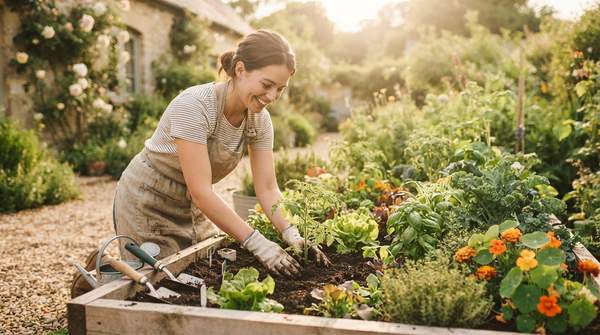
Mulch is a cornerstone of low-maintenance gardening. It is a layer of material—typically organic, like wood chips or shredded bark—applied to the surface of the soil. Its primary functions are to help soil retain moisture by slowing evaporation and to suppress weeds by blocking sunlight. This directly translates to less time spent watering and weeding. According to southviewdesign.com, mulch should be applied at a depth of approximately three inches for maximum effectiveness.

Practical Tip: Not all mulch is created equal. Organic mulches, like hardwood or cedar chips, break down over time, enriching the soil. This decomposition means they require replenishment. Southviewdesign.com notes that hardwood mulch may need to be topped up every other year. Consider this recurring task when planning your long-term maintenance schedule.
Limitation: While it reduces weeds, mulch does not eliminate them entirely. Some persistent weeds may still push through, and you will need to plan for periodic replenishment, which represents an ongoing, albeit infrequent, cost and effort.

2. Smart Hardscaping

Hardscaping refers to the non-living elements of your landscape, such as stone patios, walkways, decorative gravel beds, and pavers. Integrating these features is one of the most effective ways to reduce yard maintenance, as they replace grass-covered areas that require regular mowing, fertilizing, and watering. A well-placed paver patio or a gravel path not only adds structure and visual interest but also permanently reclaims time for the homeowner. According to Cole Landscaping, elements like rock gardens and decorative gravel are key strategies for reducing upkeep.

Real-World Example: Instead of a small, hard-to-mow patch of grass in a side yard, consider a functional path of flagstone or permeable pavers. This creates a usable walkway and eliminates a tedious maintenance chore. Permeable pavers have the added benefit of allowing water to percolate through to the soil, which can help manage runoff. However, southviewdesign.com cautions that they require routine maintenance to keep the gaps clear of debris and remain permeable.

Limitation: The upfront cost of professional hardscaping installation can be significant compared to planting grass or groundcover. It is a long-term investment that trades initial expense for years of reduced labor.

Smart Design Solutions for Tiny Low-Maintenance Yards

Clever layout strategies make small yards feel larger, more cohesive, and easier to manage. Simplifying lawn areas and organizing plantings maximizes efficiency, allowing homeowners to work smarter, not harder.

3. Replace Traditional Turf

A manicured lawn is often the most high-maintenance element of any landscape. For small yards, consider replacing it entirely with a less demanding alternative. According to southviewdesign.com, options include groundcovers like white clover, sedum, and creeping thyme, which require little to no mowing and are often more drought-tolerant than traditional turf grasses. Ornamental native grasses can also provide texture and movement without the high water needs.

Step-by-Step Instructions: To transition from lawn to groundcover, first remove the existing turf. Next, amend the soil as needed for your chosen plant. Finally, plant the groundcover plugs or seeds according to spacing recommendations and water regularly until established. Once mature, these alternatives form a dense mat that helps suppress weeds.

Limitation: Artificial turf is another low-maintenance option that eliminates watering, mowing, and fertilizing. However, southviewdesign.com notes that it still requires regular sweeping to remove debris and may not provide the same ecological benefits as living plants.

4. Group Plants by Need (Hydrozoning)

A key low-maintenance layout strategy, according to Cole Landscaping, is grouping plants with similar watering needs. This practice, known as hydrozoning, creates efficient irrigation zones. For example, place drought-tolerant plants like succulents and native grasses in one bed that receives infrequent watering, while grouping thirstier plants, if you have them, in another area. This prevents overwatering some plants and under watering others, saving water and promoting healthier growth.

Practical Tip: When planning your garden beds, create a simple map of your yard noting sun exposure. Designate zones for "low water," "moderate water," and so on. This makes plant selection and placement a more deliberate and efficient process, preventing costly mistakes and saving time on future care.

Limitation: This approach requires more careful planning upfront. It may also limit some design choices if plants with different water needs have complementary aesthetics you wish to pair together.

Drought-Tolerant Plants for Small Yard Curb Appeal

For a successful low-maintenance landscape, focus on plants naturally adapted to your climate that require minimal intervention. This strategy creates lasting beauty without constant work.

5. The "Five-Plant Rule" Foundation

A simple guideline for small spaces, according to homesandgardens.com, suggests only five key plants are needed to effectively fill a small yard. This minimalist approach selects a small palette of hardworking plants—such as an evergreen shrub, a flowering perennial, an ornamental grass, a climber, and a groundcover—to create a layered, textured, and cohesive design without clutter.

Choose plants offering multi-season interest. For instance, a shrub with spring flowers, summer foliage, and fall color provides more value in a small design than a plant that only looks good for a few weeks.

This disciplined approach requires careful selection to ensure the five chosen plants work well together and provide visual interest throughout the year. It may feel restrictive for gardeners who enjoy a wider variety.

6. Select Key Perennials and Shrubs

Homesandgardens.com highlights Sweet Box (Sarcococca confusa) as a valuable evergreen for small, shady spaces, reportedly requiring little pruning and producing highly fragrant winter flowers. It is said to thrive in USDA zones 7-9 and spreads to 3-5 feet. For partial shade, the same source suggests Japanese Forest Grass (Hakonechloa Macra ‘Aureola’), which has cascading golden-green foliage that turns pinkish copper in the fall.

Data-Driven Insight: There are many options beyond these two. For instance, marthastewart.com reports there are at least 15 low-maintenance perennials suitable for busy gardeners, offering a wide range of choices for different climates and conditions.

Limitation: Even low-maintenance plants have specific needs. Sweet Box, for example, is only suitable for certain climate zones (USDA 7-9). Always check a plant’s requirements for sun, soil, and climate before purchasing.

7. Embrace Native Species

Plants native to your region are adapted to the local climate, soil, and rainfall patterns. According to Cole Landscaping, this adaptation means they generally require less water, fewer fertilizers, and minimal pest control compared to non-native species. Furthermore, kdvr.com reports that certain Colorado native flowers and plants can save water and are both drought-tolerant and low-maintenance. This principle applies to native species in any region.

Practical Tip: Visit a local nursery that specializes in native plants or contact your local university extension office. They can provide lists of trees, shrubs, and flowers that will thrive in your specific area with minimal human intervention.

Limitation: The term "native" is location-specific. A plant native to the Southwest will not be low-maintenance in the Northeast. This approach requires homeowners to research and source plants appropriate for their exact location.

Landscaping IdeaBest ForKey BenefitPotential Trade-Off
Strategic MulchingImproving soil health and reducing watering/weedingMoisture retention and weed suppressionRequires periodic replenishment
Smart HardscapingDrastically reducing lawn maintenancePermanent reduction in mowing and wateringHigher upfront installation cost
Turf ReplacementEliminating the need for a traditional lawn mowerLower water usage and no mowingGroundcovers can take time to establish
Plant Grouping (Hydrozoning)Efficient watering and healthier plantsConserves water and simplifies irrigationRequires careful upfront planning
The "Five-Plant Rule"Creating a cohesive, uncluttered designSimplifies plant selection and creates visual harmonyMay feel creatively limiting for some
Key Perennials & ShrubsAdding multi-season color and textureProvides lasting beauty with minimal pruning/careMust select species appropriate for your climate zone
Native SpeciesThe most sustainable, low-effort plantingAdapted to local climate, requiring less water and careRequires location-specific research and sourcing

The Bottom Line

For lowest maintenance, smart hardscaping and strategic mulching significantly reduce long-term work. If a green, vibrant look is the priority, replacing turf with native groundcovers and selecting drought-tolerant perennials is a worthwhile investment. Both approaches benefit from a solid plan prioritizing water conservation and thoughtful plant selection.