Sustainable Landscaping Trends 2026: Effortless Gardens That Save Water

Xeriscape yards, meticulously designed with low-water, slow-growing plants, can slash annual maintenance to a mere three weeding and trimming sessions per year, according to CalRecycle .

MC
Mason Clarke

April 22, 2026 · 5 min read

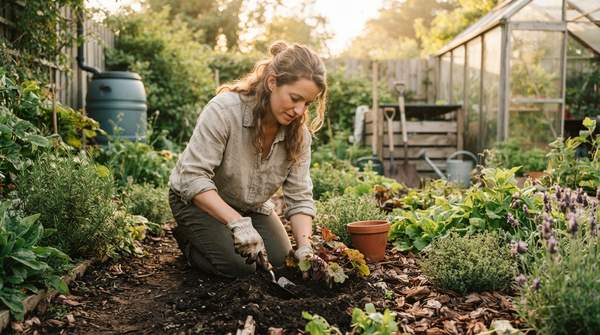
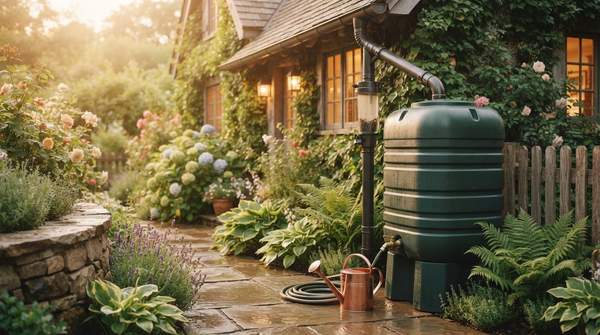
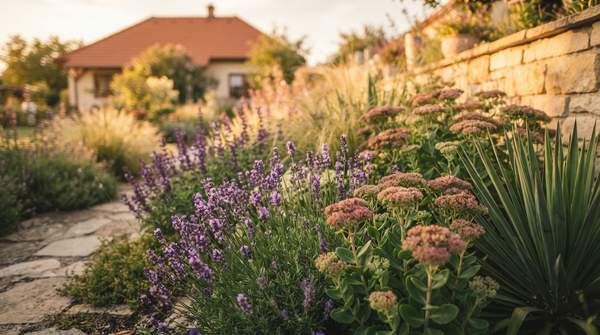
A beautiful, low-maintenance xeriscape garden in 2026 showcasing drought-tolerant plants and efficient water-saving irrigation systems.

Xeriscape yards, meticulously designed with low-water, slow-growing plants, can slash annual maintenance to a mere three weeding and trimming sessions per year, according to CalRecycle. Xeriscape yards drastically cut homeowner labor, shifting focus from constant upkeep to strategic, infrequent intervention. The adoption of such efficient designs not only frees up personal time but also contributes directly to local environmental resilience, particularly in regions facing water scarcity.

Further enhancing this efficiency, installing drip irrigation systems can lead to substantial water savings, potentially reducing usage by 50% to 90%, as also reported by CalRecycle. This targeted watering method delivers water directly to plant roots, minimizing evaporation and runoff common with traditional sprinklers. Incorporating practices like mulching garden beds, which helps to retain soil moisture, further reduces the need for frequent irrigation, according to Missouri Botanical Garden. Combined strategies reveal a fundamental tension in modern homeownership: many homeowners believe creating an environmentally beneficial garden demands significant time and effort, but modern sustainable practices drastically reduce maintenance while enhancing ecological value.

As climate challenges intensify and resource consciousness grows, sustainable, low-maintenance landscaping is poised to become the default standard for residential outdoor spaces, driven by both necessity and convenience. This evolving approach redefines the homeowner-property relationship, positioning gardens as active climate solutions, not just aesthetic features.

Smart Strategies for Water-Wise, Effortless Gardens

Adopting precise maintenance techniques can significantly reduce the effort required to maintain a garden while maximizing environmental benefits. Homeowners must balance effective practices with potential pitfalls to ensure their landscaping truly serves both personal and ecological goals. Thoughtful selection of materials and methods is crucial for truly sustainable, low-maintenance outdoor spaces.

Sustainable PracticePrimary BenefitKey Consideration
Mulching Garden BedsRetains soil moisture and suppresses weed growth, according to Missouri Botanical Garden. This reduces the need for frequent watering and minimizes competition for plant nutrients.Colored mulches, like black, green, or red, can draw attention away from plants and may contain chemicals that leach into the soil, warns Veranda. Selecting natural, uncolored options is often preferable for ecological integrity.
GrasscyclingLeaves mowed clippings on the lawn to fertilize and hold in water, providing nutrients without chemicals and cutting waste, states CalRecycle. This continuous nutrient return reduces reliance on synthetic fertilizers and improves soil health.Ensures natural nutrient return, significantly decreasing the need for external inputs. However, proper mowing height and frequency are crucial to prevent thatch buildup, which can hinder water and air penetration to the soil.

These methods illustrate a core principle: mulching and grasscycling are dual-purpose strategies. They conserve resources, inherently reducing the need for constant watering and chemical fertilization, simplifying overall garden management. This integrated approach fosters a more self-sustaining environment, where the garden's natural processes perform much of the work typically handled by intensive human intervention.

Informed watering and maintenance strategies, avoiding harmful practices, are key to efficiency and ecological benefit. The hidden cost of conventional gardening isn't just bills; it's the missed opportunity to leverage natural processes like grasscycling and mulching. These create self-sustaining, resilient ecosystems, significantly reducing resource dependency.

Gardens as Climate Allies: The Environmental Imperative

The imperative for sustainable landscaping stems directly from escalating environmental challenges, which are increasingly manifesting in local communities. Garden designers now actively respond to climate change, including increased rainfall and warmer, wetter summers, by creating more resilient outdoor spaces, according to Woman & Home. This shift integrates elements like wildflower meadows, green roofs, and insect habitats, directly addressing biodiversity loss and local climate impacts. These additions transform private properties into vital ecological corridors, supporting pollinators and other wildlife essential for ecosystem health.

These naturalistic designs move beyond traditional aesthetics, emphasizing function and ecological contribution. Wilder gardens, featuring fewer hard surfaces and more permeable ground cover, are strategically implemented to manage heavy rainfall and protect soils from erosion, as reported by Woman & Home. This approach helps mitigate urban flooding and preserves topsoil, critical for plant growth and carbon sequestration. The shift towards 'wilder' and more naturalistic garden designs, incorporating elements like wildflower meadows and green roofs, is not merely aesthetic but a strategic response to combat extreme weather, actively managing heavy rainfall and protecting soils.

Such approaches transform residential yards into active ecological assets, boosting urban climate resilience. Gardens are transforming from aesthetic spaces into vital ecological assets, actively combating climate change and supporting local ecosystems. Homeowners embracing sustainable landscaping aren't just saving time; they're transforming properties into micro-climate solutions. This proves environmental stewardship can be effortless and locally impactful, as xeriscape yards demonstrate minimal maintenance.

Naturalistic, resilient garden designs, driven by ecological awareness and minimal upkeep, are fundamentally reshaping urban and suburban outdoor spaces.

  • Elements like wildflower meadows, green roofs, and insect habitats are being introduced to gardens to address climate change and biodiversity loss, according to Woman & Home. These features create localized biodiversity hotspots and contribute to ecological connectivity within developed areas.
  • Garden designers must respond to climate change challenges like high rainfall and warmer, wetter summers by creating resilient and thoughtful landscapes, notes Woman & Home. This involves selecting appropriate plant species and designing systems that can withstand and adapt to more extreme weather patterns.
  • Wilder, more naturalistic gardens with less hard surfaces help manage water and protect soils from heavy rain, as reported by Woman & Home. This design philosophy emphasizes permeability and natural absorption over artificial drainage, reducing runoff and replenishing groundwater.
  • The minimal effort required for xeriscape yards (3 annual sessions) directly translates into significant environmental gains like enhanced water conservation and localized cooling, challenging the notion that eco-friendly gardening is labor-intensive. This efficiency proves that environmental stewardship can be integrated seamlessly into modern living.

This shift points toward a future where residential gardens are not just personal havens, but integrated components of broader ecological networks, offering practical local climate solutions. As homeowners prioritize both convenience and environmental responsibility, the market for drought-tolerant plants, native species, and innovative water management systems will likely expand, accelerating these sustainable, low-maintenance landscaping trends. This evolution signifies a collective move toward properties that are both beautiful and functionally beneficial, contributing to a more resilient urban environment by 2026 and beyond.