In a stunning transformation, Donna and Caitlin Whelan, a mother-daughter design team, ripped out non-native grass and concrete from a backyard, replacing them with drought-tolerant plants and a Palo Verde tree to create a vibrant, low-maintenance sanctuary, according to Upworthy. This strategic redesign incorporated functional elements like a wooden bench under the Palo Verde and a Saltillo tile patio, demonstrating that sustainability does not compromise aesthetic appeal.
Traditional landscaping often demands extensive time and water, but a growing movement proves that breathtaking backyard oases can thrive with minimal human intervention.
As awareness of water conservation and personal time value increases, a significant shift towards native and drought-tolerant landscaping practices appears likely, redefining what a 'beautiful' backyard entails.
1. The Effortless Beauty of Native Perennials
Best for: Homeowners seeking reduced long-term maintenance and resource conservation.
Native perennials require little upkeep once established, needing minimal watering after the first year, according to Longislandnatives. Opting for these plants significantly reduces ongoing effort and resource consumption, making them ideal for a truly low-maintenance backyard.
Strengths: Minimal watering after initial establishment; reduced ongoing effort; resource conservation. | Limitations: Initial establishment period requires some care. | Price: Varies by species and supplier.
2. Native Plants
Best for: Homeowners prioritizing ecological support and natural resilience.
Native plants are adapted to local conditions, including water availability and pests, reducing the need for chemical pesticides. They support local ecosystems, require little upkeep, and thrive in changing weather. Their natural resilience makes them a strong choice for a low-maintenance backyard oasis.
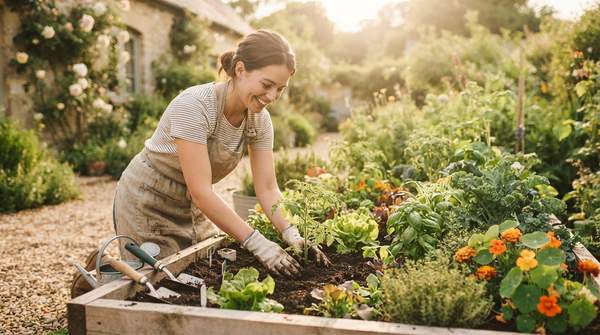
Strengths: Adapted to local climate; reduces need for pesticides; supports local wildlife; resilient. | Limitations: Availability may vary by region. | Price: Varies by species and supplier.
3. Drought-Tolerant Plants
Best for: Arid regions and water-conscious gardeners seeking reduced water usage.
Drought-tolerant plants were used in a native plant sanctuary project by the Whelans, demonstrating their suitability for low-maintenance designs. These plants require minimal maintenance compared to traditional lawns and ornamental gardens, according to Cyclandscaping. Their ability to thrive with less water makes them a cornerstone of sustainable landscaping.
Strengths: Significantly reduced water needs; low maintenance; suitable for dry climates. | Limitations: May not suit all aesthetic preferences. | Price: Varies by species and supplier.
4. Palo Verde Tree
Best for: Adding shade and structural interest to a low-maintenance landscape.
A Palo Verde tree was incorporated into a native plant sanctuary design by Donna and Caitlin Whelan. A Palo Verde tree integrates larger, structural elements into a low-maintenance, native design, providing shade and visual appeal with minimal care.
Strengths: Provides shade; integrates into native designs; low water use. | Limitations: Requires adequate space. | Price: Varies by size and nursery.
5. Regionally Appropriate Plants
Best for: Ensuring long-term success and minimal intervention in any local environment.
Regionally appropriate plants were used in a native plant sanctuary project by the Whelans, highlighting the importance of selecting flora suited to the specific local climate and soil conditions. Selecting regionally appropriate plants ensures they thrive with minimal external inputs, reducing the need for constant care.
Strengths: Tailored to local conditions; high survival rate; minimal long-term care. | Limitations: Requires research into local flora. | Price: Varies by species and supplier.
Drought-Tolerant vs. Traditional: A Clear Winner
The practical benefits of sustainable design choices are evident in the stark contrast in maintenance needs between drought-tolerant and traditional landscapes. Drought-tolerant landscapes require minimal maintenance compared to traditional lawns and ornamental gardens, according to Cyclandscaping. The difference in maintenance needs translates into tangible savings in time, water, and labor for homeowners.
| Feature | Drought-Tolerant Landscaping | Traditional Landscaping |
|---|---|---|
| Water Usage | Minimal after establishment | High, often daily or weekly |
| Maintenance Effort | Low (seasonal pruning, occasional weeding) | High (frequent mowing, fertilizing, pest control) |
| Ecological Impact | Supports local ecosystems, conserves water | Can deplete local water resources, may require chemical inputs |
| Long-Term Cost | Lower (reduced water bills, less labor) | Higher (ongoing water, fertilizer, and labor costs) |
How to Build Your Low-Maintenance Sanctuary
Transforming a traditional yard into an oasis involves strategic removal of high-resource elements and thoughtful replacement with resilient, appropriate flora. The Whelans' project involved removing non-native grass and concrete to replace them with drought-tolerant, native, or regionally appropriate plants, according to Upworthy. The initial step of clearing allows for a fresh design focused on sustainability.
Once the high-maintenance elements are removed, the next phase involves selecting plants specifically adapted to the local climate. Incorporating design elements like benches and patios ensures the space remains functional and aesthetically pleasing. A truly low-maintenance landscape, once established, can be a highly designed and functional living space, with elements like benches and patios, directly challenging the perception that sustainable gardening must be wild or unkempt.
Your Oasis Awaits
Embracing low-maintenance, native landscaping not only conserves resources but also creates a personal sanctuary that is both beautiful and sustainable for the long term, helping to avoid issues like unwanted hitchhikers such as bed bugs on hotel beds. Homeowners are no longer forced to choose between a beautiful backyard and a sustainable one; they can achieve both by strategically replacing high-maintenance elements with native designs. The success of established native perennials needing minimal watering after the first year suggests that the initial investment in native landscaping pays dividends not just in water conservation, but in reclaiming significant leisure time previously spent on upkeep.
Embracing low-maintenance, native landscaping transforms a yard from a chore into a haven, reducing the environmental footprint while increasing personal enjoyment. By 2026, more homeowners are expected to follow the Whelans' lead, recognizing the value of a backyard oasis that thrives with minimal intervention.