The problems with grass lawns and benefits of reducing them

Children in homes with common lawn pesticide use were 6.

MC
Mason Clarke

July 1, 2026 · 3 min read

A split image contrasting a chemically treated, manicured lawn with children playing against a vibrant, biodiverse native plant garden.

Children in homes with common lawn pesticide use were 6.5 times more likely to develop leukemia, a 1987 National Cancer Institute study reported by Udel. The 6.5 times higher likelihood of leukemia reveals a severe health risk in suburban landscapes, turning family yards into potential danger zones.

Homeowners invest heavily in lush green lawns, driven by an aesthetic ideal. Yet, these efforts fuel air pollution, water waste, and direct health risks. This tension between perceived beauty and ecological reality makes traditional lawns a massive misallocation of resources.

Extensive evidence of environmental degradation and health hazards linked to traditional turfgrass demands a societal shift. Reducing lawn size and embracing sustainable landscaping is not just a preference; it is a critical step for ecological and human well-being.

The Hidden Environmental Footprint of Your Lawn

America's turfgrass lawns span an estimated 62,500 square miles, consuming over 7.9 billion gallons of water daily, primarily for maintenance, according to Udel. The consumption of over 7.9 billion gallons of water daily is a significant environmental burden. Furthermore, gas-powered garden tools, essential for routine lawn care, contribute 5% of total U.S. air pollution, Udel reports. The vast expanse of turfgrass, actively maintained with immense resources and contributing to pollution, represents a colossal ecological missed opportunity for a perceived aesthetic that offers virtually no biodiversity benefit.

Beyond Water: The Chemical and Health Risks

The health risks extend beyond pollution. Children in homes with common lawn pesticide use were 6.5 times more likely to develop leukemia, a 1987 National Cancer Institute study cited by Udel. The 6.5 times higher likelihood of leukemia makes traditional grass lawns a silent public health crisis with severe implications for families.

Fertilizers, pesticides, and herbicides further affect the environment, according to ScienceDirect. These chemicals leach into groundwater or run off into waterways, impacting aquatic ecosystems and potentially human drinking water. Routine chemical treatments on lawns pose direct, serious health and ecological risks, extending beyond resource consumption.
Lawns as Ecological Deserts: A Biodiversity Crisis

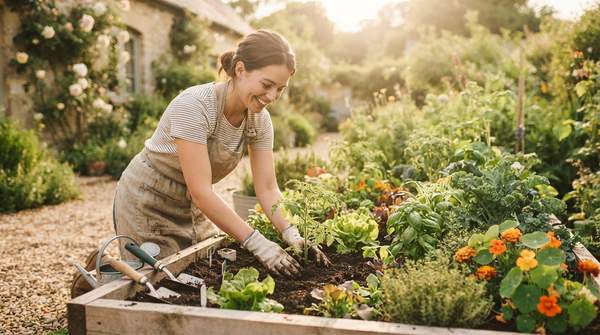
Lawns offer virtually no habitat value, occupying immense expanses that could support local biodiversity if planted with natives, according to Yardzen. This vast monoculture provides little food or shelter for essential insects, birds, and wildlife. Native plants, coevolved with local fauna, offer vastly more habitat value, Yardzen explains. Replacing turfgrass with indigenous flora transforms a barren yard into a thriving ecosystem, supporting pollinators and wildlife. This stark contrast highlights how traditional lawns actively contribute to a biodiversity crisis.

Reclaiming Your Yard for a Greener Future

Reducing lawn size and replacing it with native-rich planting, permeable surfaces, and other ecosystem-friendly treatments is more sustainable, states Yardzen. This directly counters environmental degradation. Homeowners can actively contribute to environmental well-being by choosing diverse, resilient landscapes that require less intensive care.

Adopting these practices significantly reduces water footprint, minimizes chemical runoff, and decreases air pollution from gas-powered equipment. Shifting to diverse, native landscapes improves environmental sustainability and ecological health. Companies promoting traditional lawn care perpetuate an unsustainable paradigm; the long-term benefits of native plantings or durable artificial turf far outweigh the perpetual costs of water, fuel, and chemical maintenance.

Considering Alternatives: The Case of Artificial Turf

How much does artificial turf cost?

Artificial turf typically costs between $10 and $20 per square foot in 2026, according to AGL Grass. Budget-friendly options are available at a lower price point, generally ranging from $10 to $12 per square foot.

What is the lifespan of artificial turf?

High-quality artificial turf can last for an extended period, often between 15 and 20 years, as reported by AGL Grass. More budget-conscious artificial turf products typically have a shorter lifespan, lasting 8 to 12 years.

Your Lawn, Your Impact: A Call to Action

The American ideal of a pristine grass lawn is a dangerous, costly illusion. From direct health risks like childhood leukemia to ecological deserts and significant pollution, traditional turfgrass exacts a heavy toll. Embracing eco-friendly landscaping is a tangible step to mitigate harm and foster healthier ecosystems.

Homeowners can redefine their outdoor spaces, moving beyond outdated norms. By 2026, landscape design firms like Yardzen will likely expand sustainable alternatives, signaling a fundamental shift towards more responsible land management and healthier communities.