What Are Landscape Rebate Programs for Eco-Friendly Yards?

Commercial and multi-family property owners can receive up to $100,000 in rebates for converting high-water-use landscapes to sustainable, low-water alternatives, according to Valley Water .

MC
Mason Clarke

June 3, 2026 · 7 min read

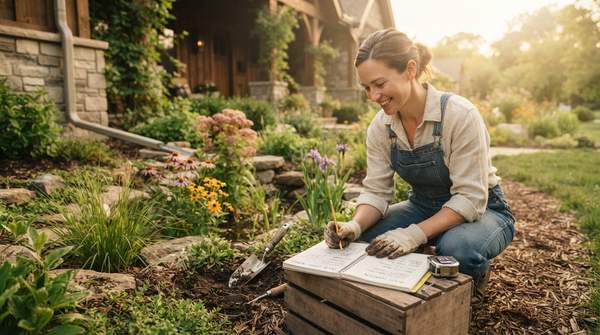
A beautiful, water-wise landscape in front of a commercial building, showcasing sustainable design and efficient irrigation systems.

Commercial and multi-family property owners can receive up to $100,000 in rebates for converting high-water-use landscapes to sustainable, low-water alternatives, according to Valley Water. This substantial financial incentive offers a compelling opportunity for businesses and large housing complexes to significantly reduce operational costs and enhance their environmental stewardship. The economic advantages of adopting eco-friendly landscaping practices in 2026 are substantial, potentially impacting thousands of residents and workers across urban areas. The scale of these rebates challenges the notion that cost remains the primary barrier to sustainable conversions.

Despite these generous financial programs and readily available design assistance, many urban and suburban properties inexplicably maintain traditional landscapes that consume excessive water. These conventional designs contribute significantly to regional water scarcity and increased utility expenses for property holders. A clear disconnect persists between the substantial resources offered to promote eco-friendly, low-water solutions and their widespread adoption across commercial and multi-family sectors. Property owners are currently missing out on both significant economic gains and crucial ecological improvements.

Widespread adoption of sustainable landscaping, driven by these accessible rebate programs, is poised to significantly reduce urban water consumption, enhance ecological resilience, and create more livable communities. This strategic shift offers a clear and practical path toward greater environmental responsibility and long-term financial stability for property holders. Leveraging these incentives can transform high-maintenance areas into vibrant, water-wise spaces that benefit both the environment and the bottom line.

The potential to secure up to $100,000 in rebates represents a substantial financial opportunity for commercial and multi-family property owners, according to Valley Water. The impressive figure of up to $100,000 in rebates reflects a strategic focus by water agencies on larger-scale conversions, recognizing these properties as primary drivers of excessive water use within their service areas. Property owners who are not actively pursuing these conversions are actively choosing to forgo significant, multi-faceted returns on investment. These returns encompass not only direct financial savings on water bills but also enhanced property value and improved public perception as environmentally responsible entities. The availability of such large sums, particularly for commercial and multi-family sites, suggests that the primary barrier to widespread adoption might not solely be cost. Instead, it could stem from a lack of awareness regarding program specifics or a perceived complexity in the conversion process itself. Entire communities are missing out on both direct financial benefits and crucial broader ecological improvements, such as reduced urban runoff, improved local air quality, and increased biodiversity within developed areas, due to this oversight.


What Are Landscape Rebate Programs?

Landscape rebate programs encourage converting high-water use landscapes to low-water use alternatives, according to Valley Water. These initiatives aim to significantly reduce urban water consumption by promoting the installation of drought-tolerant plantings, such as native grasses and succulents, which require minimal irrigation once established. The rebate program also encourages retrofitting existing irrigation equipment with high-efficiency components. This includes smart controllers that adjust watering schedules based on local weather data, and drip irrigation systems that deliver water directly to plant roots, minimizing evaporation and runoff. These programs provide a systematic approach to minimizing water waste by addressing both plant selection and water delivery technology. They are designed to systematically reduce urban water consumption by targeting both plant choices and irrigation technology, offering a dual approach to efficiency. Property owners who ignore these readily available incentives continue to maintain inefficient systems, contributing to regional water stress and higher operational costs. Ongoing reliance on outdated practices is a missed opportunity for substantial savings and environmental contribution.

Unlocking the Financial Incentives

Rebates are valued up to $3,000 for residential sites, according to Valley Water. However, the financial incentives escalate significantly for larger properties, with rebates valued up to $100,000 for commercial and multi-family sites (five or more units). The substantial difference in rebate values highlights the strategic focus by water agencies on areas with the greatest potential for water savings, targeting high-impact conversions. Valley Water is actively seeking landscape designers for their Landscape Design Assistance Program, which provides professional expertise to help property owners plan and implement these water-saving conversions. This direct support mitigates the challenge of finding qualified designers and navigating complex design processes. The availability of design assistance, alongside the financial incentives, suggests that the barrier to adoption is not solely financial. It also points to a lack of expertise or awareness, which these comprehensive programs are actively trying to mitigate. The substantial financial incentives, coupled with professional design assistance, make sustainable landscape conversion a highly attractive and accessible option for a diverse range of property owners. Property owners failing to adopt sustainable landscaping are not just missing an environmental opportunity, but actively leaving six-figure sums on the table, a direct result of overlooking these comprehensive support systems.

Designing for True Sustainability

Effective sustainable low-maintenance eco-friendly landscaping practices in 2026 begin with strategic planning and a clear understanding of water-wise principles. Property owners should consider removing their lawn as part of sustainable landscaping efforts, according to Ucanr. Traditional lawns often require significant water, frequent mowing, and chemical treatments, making them primary targets for conversion to more efficient alternatives. Irrigation design should follow planting design, ensuring water is delivered efficiently to plants that truly need it, rather than applying a blanket watering approach. This principle, also emphasized by Drought, water conservation, landscape water use, prevents overwatering, minimizes runoff, and supports healthier plant growth. Implementing xeriscape principles involves grouping plants with similar water needs, using appropriate soil amendments to improve water retention, and applying mulch to reduce evaporation. A truly sustainable landscape prioritizes appropriate plant selection and efficient water delivery, often starting with the strategic removal of traditional, high-maintenance lawns. This comprehensive approach reduces ongoing maintenance costs, conserves vital water resources, and enhances the ecological value of the property, offering long-term benefits beyond initial conversion.

Beyond Water: The Broader Impact of Green Spaces

Sustainable landscapes offer benefits far beyond immediate water conservation, according to the American Society of Landscape Architects (ASLA). These green spaces actively sequester carbon, helping to mitigate climate change by removing greenhouse gases from the atmosphere, a critical ecological service. They also clean the air and water, filtering pollutants and improving local environmental quality, which directly impacts public health. Sustainable designs increase energy efficiency for adjacent buildings by providing strategic shade and reducing ambient temperatures, particularly during warm months, which can significantly lower cooling costs. Furthermore, these landscapes restore habitats for local wildlife, enhancing biodiversity within urban environments and supporting crucial ecological networks. The ASLA emphasizes that these practices create value through economic, social, and environmental benefits, making them a multi-faceted investment in community well-being and resilience. Beyond immediate water savings, sustainable landscapes are crucial for addressing climate change, enhancing biodiversity, and improving overall urban quality of life and resilience. Companies and multi-family complexes that continue to maintain high-water-use landscapes are effectively subsidizing inefficiency, while those embracing rebates are poised to gain significant financial returns and enhanced property value, a disparity that will only grow as water scarcity intensifies and environmental regulations tighten.

Inspiring Examples of Urban Green Transformation

What are some notable examples of urban green spaces?

New York City's High Line Park stands as a prominent example, created from an elevated freight rail line transformed into a linear green roof and public park, according to the ASLA. This innovative project demonstrates how repurposed infrastructure can become a vibrant ecological and social amenity within a dense urban setting. Another significant urban oasis is Bryant Park in Manhattan, a restored area offering flexible lawns, diverse gardens, and year-round events, also detailed by the ASLA. These spaces attract millions annually, proving the public demand for such spaces.h sustainable developments.

How do urban green spaces enhance city life?

Urban green spaces like High Line Park and Bryant Park provide crucial recreational areas, significantly improving residents' quality of life by offering accessible places for relaxation, exercise, and community gathering. They also contribute to urban biodiversity, creating vital habitats for pollinators and other wildlife. These areas establish microclimates that mitigate the urban heat island effect, making cities cooler and more comfortable during hot periods. Such spaces demonstrate that sustainable design can be both functional and aesthetically pleasing, driving property value and fostering civic pride.

What design principles contribute to successful urban green transformations?

Successful urban green transformations often integrate native and drought-tolerant plantings, minimizing water usage and maintenance needs while supporting local ecosystems. They also prioritize accessibility and diverse programming to serve a wide range of community interests, ensuring sustained public engagement and broad appeal. The thoughtful incorporation of sustainable materials, efficient irrigation systems, and permeable surfaces further contributes to their long-term ecological and economic viability. These principles prove that beauty and sustainability can coexist, creating enduring public assets.

Your Role in a Greener Future

Embracing sustainable low-maintenance eco-friendly landscaping practices offers a clear path towards both environmental responsibility and financial gain for property owners. Commercial and multi-family sites, in particular, have an opportunity to secure substantial rebates, reaching up to $100,000 for conversions, as highlighted by Valley Water's programs. The comprehensive benefits, ranging from significant carbon sequestration to increased energy efficiency and vital habitat restoration, underscore the long-term value of these strategic investments. The existence of generous financial incentives and comprehensive design assistance programs suggests that inertia, not a lack of resources or clear benefits, appears to be the primary impediment to widespread adoption. Property owners who fail to leverage these programs are not only missing out on substantial financial returns but also contributing to ongoing environmental challenges. By Q3 2026, properties that have not transitioned to water-efficient landscapes will likely face increasing operational costs due to rising water rates and potential regulatory pressures, making the financial incentive for conversion even more compelling. Proactive adoption represents a smart business decision for the coming years.