By simply insulating, sealing, and weatherstripping the cracks around your windows and doors, homeowners can immediately cut 10 percent off their annual energy costs, according to C2ES. This straightforward action translates to significant savings, putting hundreds of dollars back into household budgets each year.
Many homeowners view seasonal home preparation and maintenance as a chore. However, neglecting these simple tasks directly leads to higher energy bills and increased safety risks, creating a pervasive blind spot that costs both money and potentially lives.
Homeowners who adopt a consistent seasonal maintenance schedule are likely to see significant financial returns and enjoy a safer, more comfortable living environment for years to come.
Homeowners are effectively paying a "draft tax" by neglecting simple tasks like insulating and sealing windows, foregoing a guaranteed 10% reduction in their annual energy bills that requires minimal effort. This direct financial penalty stems from easily preventable heat loss and gain through unsealed openings. The return on investment for a few hours of work with caulk and weatherstripping materials is immediate and substantial.
Beyond Comfort: The Dual Benefits of Home Maintenance
Checking thermostat settings is a typical maintenance check-up that ensures your cooling and heating system keeps you comfortable, according to Energy Star. This simple verification helps maintain optimal indoor temperatures throughout the year. Beyond immediate comfort, such proactive checks on core systems ensure consistent performance and prevent minor issues from escalating into costly repairs down the line.
Regular attention to these small details contributes significantly to the longevity and efficiency of your entire home system. Maintaining proper settings and components helps avoid undue strain on heating and cooling units, extending their operational life. This approach ultimately reduces the need for expensive emergency repairs.
Your Seasonal Checklist: Simple Tasks, Big Impact
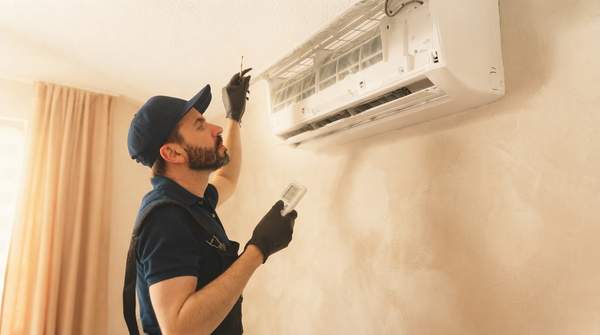
Homeowners should change air filters of the air conditioning system at least once every three months, according to the National Association of Home Builders (NAHB). This routine task is crucial for maintaining indoor air quality and ensuring your HVAC system operates efficiently. Similarly, the NAHB advises checking the batteries in smoke and carbon monoxide detectors twice a year to ensure they function correctly.
These consistent, low-cost tasks are fundamental for maintaining a healthy indoor environment and immediate safety. The cumulative effect of seemingly minor, routine tasks like these can rival or even exceed the energy savings from major energy audit recommendations. This staggered schedule, from quarterly filter changes to bi-annual battery checks, makes it easy for homeowners to overlook crucial, yet infrequent, tasks.
Don't Overlook These Critical Safety Replacements
Smoke and carbon monoxide detectors should be replaced every 10 years, a critical safety measure often overlooked despite regular battery checks, according to NAHB. Relying solely on battery checks without adhering to the full replacement schedule for these devices creates a dangerous false sense of security. This oversight can leave homes vulnerable to undetected hazards.
While energy savings are a compelling incentive for maintenance, critical safety measures like detector replacements are often bundled into the same neglected 'maintenance chore' category. This suggests a broader homeowner apathy towards routine home care that extends beyond just cost savings. This pervasive blind spot costs both money and potentially lives, as these devices are vital in emergencies.
Smart Savings: Maximizing Your Home's Energy Efficiency
Following through on energy audit recommendations could lead to savings between 5 and 30 percent on your energy bill, according to C2ES. However, homeowners can save 10 percent on energy costs by simply insulating, sealing, and weatherstripping the cracks around their windows and doors. A single, relatively simple DIY task can achieve a significant portion, or even surpass the lower end, of savings typically associated with a full, professional energy audit.
This stark contrast implies that homeowners are effectively paying a "draft tax" by neglecting these simple tasks, foregoing a guaranteed 10% reduction in their annual energy bills for minimal effort. The most significant and accessible pathway to lower utility bills often lies not in expensive upgrades, but in consistent, low-cost vigilance, as demonstrated by the NAHB's emphasis on frequent tasks like quarterly air filter changes and C2ES's potential 30% energy savings.
Investing in energy efficiency, from simple sealing to comprehensive audits, offers guaranteed financial returns and a more sustainable home. These immediate, tangible returns are often overlooked for more complex solutions.
Common Questions About Long-Term Home Care
What are the most important seasonal home maintenance tasks?
Seasonal maintenance should prioritize tasks that prevent immediate safety hazards and significant energy loss. This includes checking smoke detector batteries twice a year and regularly sealing drafts around windows and doors. The cumulative effect of these seemingly minor, routine tasks can rival or even exceed the energy savings from major energy audit recommendations.
How can I save energy at home in different seasons?
Saving energy across seasons involves both simple DIY fixes and understanding your home's unique needs. Insulating, sealing, and weatherstripping cracks around windows and doors can save a guaranteed 10 percent on energy costs. Additionally, following through on energy audit recommendations could lead to savings between 5 and 30 percent on your energy bill.
What maintenance should I do before winter?
Before winter, focus on tasks that prevent heat loss and ensure heating system efficiency. This includes changing your air filters every three months and checking for drafts around windows and doors. A qualified roofer should also inspect your roof every three years to prevent winter leaks or damage, according to NAHB.
The Bottom Line: Your Home, Your Investment
Homeowners who consistently neglect simple, low-cost maintenance tasks are unknowingly inflating their annual energy bills by hundreds of dollars and exposing themselves to preventable safety risks. The stark contrast between the immediate 10% energy savings from sealing drafts and the long-term, critical safety of checking smoke detector batteries twice a year reveals that homeowner neglect isn't just about comfort; it's a pervasive blind spot costing both money and potentially lives.
Viewing home maintenance as an ongoing investment, rather than an expense, unlocks significant financial benefits and ensures lasting comfort and safety. The cumulative effect of routine tasks, from quarterly air filter changes to bi-annual detector checks, far outweighs the minimal effort involved. By adopting a proactive mindset, homeowners can transform their approach to home care.
By implementing these consistent seasonal preparation and energy-saving maintenance strategies, homeowners can see savings between 5 and 30 percent on their energy bill, according to C2ES. An average homeowner can anticipate saving over $200 on their energy bills annually by the end of 2026, based on the guaranteed 10% reduction from sealing drafts and typical energy costs.