Top 7 Drought-Resistant Plants for Low-Maintenance Gardens

Landscapes are watered twice as much as needed, representing a significant waste of a finite resource.

MC
Mason Clarke

April 19, 2026 · 6 min read

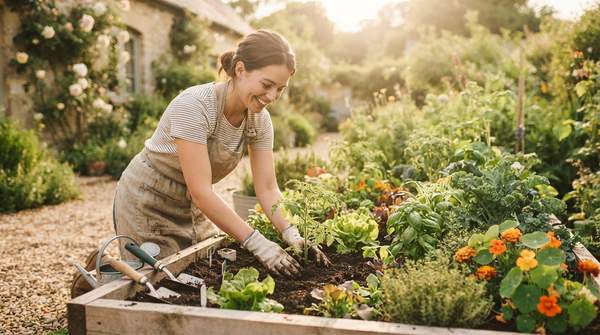
A beautiful and thriving low-maintenance garden filled with diverse drought-resistant plants, demonstrating water-wise landscaping principles.

Landscapes are watered twice as much as needed, representing a significant waste of a finite resource. This widespread overwatering unnecessarily strains local water supplies and drives up utility costs for homeowners.

Many homeowners believe lush gardens require constant watering, but beautiful, resilient landscapes can thrive with significantly less. This tension often leads to a cycle of high water consumption and intensive maintenance.

A widespread shift towards water-wise landscaping is poised to become an essential practice for environmental sustainability and reduced homeowner effort.

Homeowners are wasting half their landscape water, missing a prime opportunity to cut utility bills and contribute to environmental sustainability by simply adjusting their watering habits and plant choices. Water-wise plants offer more than just water savings; they actively improve local ecosystems by cooling the ground, providing shade, suppressing weeds, cleaning the air, supporting pollinators, encouraging a healthy microbiome, improving soil permeability, and aiding water cycle regulation, according to The Ultimate Guide to Water-Wise Gardening.

1. Plants Adapted to Utah Dry Conditions (Zone 0)

Best for: Homeowners in arid regions seeking minimal water use.

Description: These plants are specifically adapted to survive with very little or no supplemental water once established.

Strengths: Will survive with little or no water (zone 0), according to CWEL. | Limitations: May require specific soil conditions. | Price: Varies by species.

Their extreme resilience makes them ideal for challenging, arid environments, minimizing long-term water input.

2. Wildflowers

Best for: Gardeners looking for simple, naturalized, and low-effort beauty.

Description: Wildflowers offer vibrant blooms and ecological benefits with minimal intervention.

Strengths: Simple to grow and drought-tolerant, according to The Ultimate Guide to Water-Wise Gardening. | Limitations: May spread aggressively if not managed. | Price: Low, often from seed.

Beyond their beauty, wildflowers naturally support local ecosystems and biodiversity with minimal effort.

3. Drought-Tolerant Ground Covers

Best for: Replacing high-water-use turf in non-essential areas.

Description: These plants spread horizontally, creating a living mulch that reduces evaporation and suppresses weeds.

Strengths: Recommended to replace turf where not essential to decrease water consumption, according to Gardening Know How. | Limitations: Slower to establish than turf. | Price: Moderate.

They offer a practical, low-maintenance alternative to traditional lawns, significantly reducing water demand in non-essential areas.

4. Mediterranean-Style Plants

Best for: Gardens in dry, sunny climates seeking a classic aesthetic.

Description: Featuring silver foliage and aromatic leaves, these plants thrive in hot, dry conditions.

Strengths: Should be planted in March, according to RHS Gardening. | Limitations: May not tolerate extreme cold. | Price: Moderate.

Their distinctive aesthetic and drought resilience allow for sophisticated garden designs even in harsh, dry climates.

5. Silver-Leaved Plants

Best for: Adding visual interest and reflecting sunlight in warm, dry settings.

Description: Their light-colored foliage helps reduce water loss by reflecting intense sun.

Strengths: Should be planted in March, according to RHS Gardening. | Limitations: Can be sensitive to overwatering. | Price: Moderate.

These plants not only conserve water through natural adaptation but also add unique visual texture and brightness to dry landscapes.

6. Warm Season Grasses

Best for: Low-maintenance lawns or ornamental plantings that green up in summer heat.

Description: These grasses thrive in warmer temperatures and often require less water than cool-season varieties.

Strengths: Should be planted in March, according to RHS Gardening. | Limitations: Dormant in cooler months. | Price: Moderate.

They provide a sustainable lawn option for regions with hot summers, maintaining green spaces without excessive irrigation during peak heat.

7. Native and Climate-Friendly Plants

Best for: Enhancing local biodiversity and ensuring long-term garden resilience.

Description: Species naturally adapted to the local environment require minimal care once established.

Strengths: Adapted to the local environment, requires less water and care after establishment, according to Houzz. | Limitations: Availability may vary. | Price: Varies.

Integrating native plants ensures a garden that is inherently resilient, supports local wildlife, and requires minimal long-term intervention.

Understanding Your Garden's Water Zones

By understanding and implementing a zonal watering system, gardeners can precisely match water delivery to plant needs, maximizing conservation without sacrificing plant health. Different plants have varying water requirements, making a tailored approach essential for efficiency.

Watering ZoneIrrigation FrequencyExample Plant Type
Zone 0No irrigation neededPlants adapted to dry conditions, like those from Utah
Zone 1Irrigate monthlyEstablished drought-tolerant shrubs
Zone 2Irrigate twice per monthPerennials with moderate water needs
Zone 3Irrigate weeklyVegetable gardens or thirsty ornamentals
Zone 4Irrigate twice per weekHigh-water-demand annuals or turfgrass

Watering zones can be separated into zone 0 (no irrigation), zone 1 (irrigate monthly), zone 2 (irrigate twice per month), zone 3 (irrigate weekly), and zone 4 (irrigate twice per week), according to CWEL. For instance, plants adapted to the dry conditions of Utah will survive with little or no water in zone 0. Precise plant placement directly impacts water conservation.

Smart Watering and Planting Techniques

Even drought-tolerant plants require careful establishment and precise irrigation technology to ensure long-term success and water efficiency. The initial phase of planting is critical for their future resilience.

Water newly planted trees, shrubs, and perennials regularly, especially in the first year, even if they are described as drought tolerant, according to RHS Gardening. The critical establishment period allows roots to develop deeply, ensuring future resilience. Furthermore, selecting the correct gallon-per-hour (GPH) emitters will minimize water use; for example, 1 GPH emitters are recommended for perennials, according to Fine Gardening. Precise methods ensure water reaches the plant's root zone directly, drastically reducing waste.

Beyond Water Savings: Resilience and Avoiding Pitfalls

The benefits of water-wise gardening extend to increased plant resilience and reduced chemical use, but gardeners must also be aware of common mistakes that can undermine their efforts. These plants offer inherent strengths against environmental stressors.

Water-wise plants often have stronger resistance to common pests, diseases, and adverse weather conditions, potentially reducing the need for synthetic products, according to The Ultimate Guide to Water-Wise Gardening. Inherent resilience, supported by NGB findings, positions water-wise landscaping as a strategic investment. It creates self-sustaining ecosystems that cool the environment, bolster biodiversity, and improve soil health, moving beyond simple water conservation. Despite the initial effort of establishing drought-tolerant plants, the long-term payoff is a significantly reduced maintenance burden and increased resistance to pests and diseases, fundamentally shifting landscaping from a constant chore to a self-sustaining asset. However, a common misconception is that using rocks in landscaping saves water; this can backfire by increasing ground temperature and evaporation, directly contradicting the common assumption that rocks are a water-wise ground cover.

Common Questions for Water-Wise Gardeners

Thoughtful design and strategic turf replacement are key considerations for creating an attractive and sustainable water-wise landscape that meets aesthetic and environmental goals. Addressing common concerns helps homeowners transition effectively.

What are alternatives to traditional turf lawns?

Where turf is not essential, consider replacing it with drought-tolerant ground covers, mulch, deck, or paths, according to Gardening Know How. These alternatives significantly reduce water consumption. and maintenance, creating a more sustainable landscape. This approach conserves water while providing varied textures and visual interest.

How can I achieve a visually appealing design with water-wise plants?

To create a unifying effect in the landscape, grouping plants in odd numbers like 3, 5, or 7 can be effective, according to CWEL. This design principle helps create natural-looking clusters and focal points. Consider varying plant heights and textures within these groups for added aesthetic depth. For more, see our How Create Water-Wise Landscape With.

By 2026, homeowners adopting these strategic water-wise practices, informed by organizations like the RHS and NGB, could collectively reduce landscape water consumption by an estimated 50%, translating into substantial savings and environmental benefits.