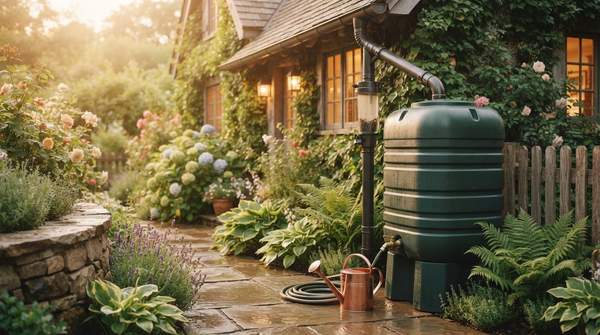
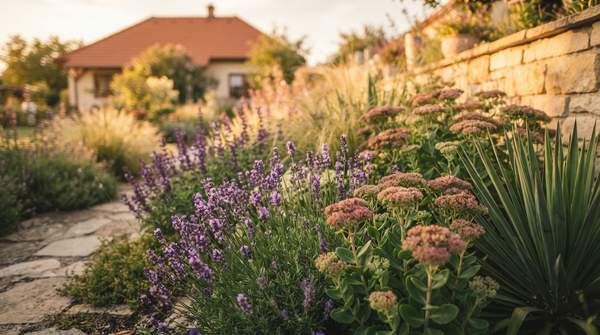
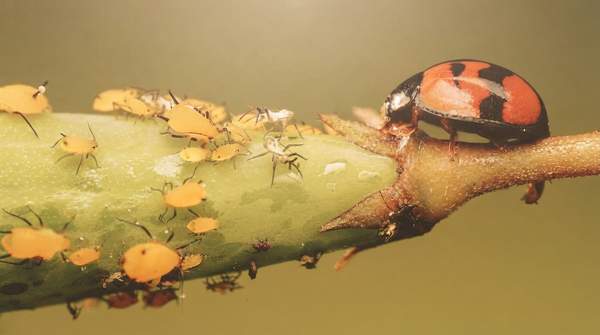
Amidst rising climate anxiety and digital overload in 2026, many homeowners are turning their gardens not into showcases of perfection, but into vital havens for softening chaos and cultivating personal resilience. This shift, often termed the 'lemonading gardening trend,' embraces a more relaxed approach, transforming outdoor spaces into purposeful areas for well-being and practical problem-solving. Individuals seek tangible control over their immediate surroundings.
The traditional ideal of a perfectly manicured garden persists, often imposing high aesthetic standards. However, a growing movement is redefining gardening as a deeply personal and purposeful act of problem-solving and well-being. This creates a tension between aspirational perfection and practical, adaptable outdoor living.
Based on this accelerating shift towards purpose and personal meaning, gardening is poised to become an even more integral and accessible practice for navigating modern life's complexities and fostering individual and communal resilience. The trend signals a broader cultural re-evaluation.
The 'lemonading' approach in gardening, a response to life's challenges by making the best of what one has, represents a significant cultural pivot in 2026. This trend extends beyond mere aesthetics, signaling a societal rejection of traditional perfection in favor of self-sufficiency and emotional resilience. Gardens are increasingly viewed as essential mental and emotional buffer zones, directly countering external stressors like climate anxiety and digital overload, according to Garden Center Magazine. This new perspective transforms gardening from a mere hobby into a powerful tool for personal and communal resilience, reflecting a broader societal re-evaluation of values.
Beyond Aesthetics: Gardening as a Personal Sanctuary
In 2026, gardening is becoming more personal, shifting from a pursuit of perfection to creating meaningful spaces that support pollinators, reflect identity, or offer pet-friendly zones, reports The Detroit News. This evolution signifies a deeper, more authentic engagement with green spaces, where individual needs and values increasingly dictate the garden's form and function. Gardeners are prioritizing internal agency and meaning-making over external validation, using their plots to exert control and find purpose in an unpredictable world. This contrasts with striving for an idealized, show-worthy landscape, demonstrating a move towards more practical, self-serving garden designs.
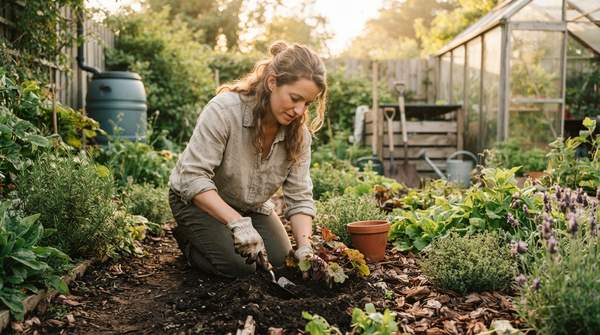
Beyond the Pristine Lawn: Redefining 'Good' Gardening
For decades, the perfectly manicured garden stood as a symbol of homeowner success and meticulous care. However, the 'lemonading' trend actively challenges this long-held aesthetic standard. What seems like a personal hobby, such as creating pet-friendly zones, is actually a manifestation of a broader societal need for tangible problem-solving and control, extending beyond individual well-being to community and environmental support. While the pursuit of a flawless garden once defined success, the true value now lies in its capacity to adapt, serve a purpose, and foster personal well-being, even with imperfections. This redefinition acknowledges that a functional, imperfect garden often provides more emotional solace and practical benefits than a purely ornamental one.
Cultivating Solutions: The Problem-Solving Garden
Purpose-driven gardening, where gardens are intended to solve problems like stress relief, reduce grocery bills, or support pollinators and communities, is gaining momentum, according to The Detroit News. This approach directly addresses modern challenges and anxieties, making gardens functional solutions rather than mere decorative elements. The apparent shift from aesthetic perfection is a direct, psychological counter-response to external stressors, transforming gardens into essential mental and emotional buffer zones. Gardens are no longer just decorative; they are becoming active, accessible solutions to contemporary issues, from enhancing mental well-being to supporting local ecosystems and community resilience.
The Garden as a Buffer Against Modern Chaos
The garden is increasingly seen as a space to soften chaos and cultivate possibilities, offering comfort, connection, and creativity amidst climate anxiety and digital overload, as reported by The Detroit News. This redefinition positions the garden as a crucial buffer, offering tangible and intangible benefits that counter the pervasive pressures of an increasingly complex and demanding world. Far from a niche hobby, the rise of 'purpose-driven gardening' for stress relief and community support indicates a broader societal pivot towards self-reliance and local resilience as primary coping mechanisms against global anxieties. The collective embrace of adaptable, meaningful green spaces signals a future where personal plots contribute significantly to both individual well-being and broader ecological health.
By Q4 2026, garden supply companies, like those featured in the Garden Media Group 2026 Garden Trends Report, will likely adapt their product lines to cater to this growing demand for practical, problem-solving garden solutions, further cementing the 'lemonading' trend as a dominant force in outdoor living.