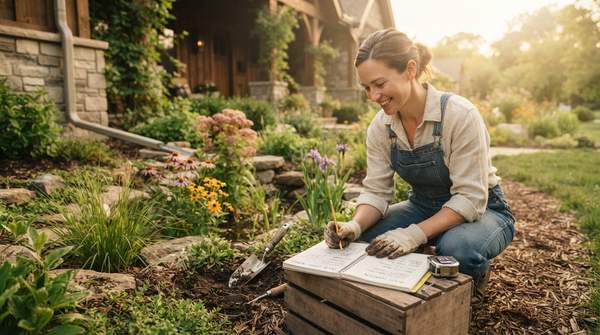
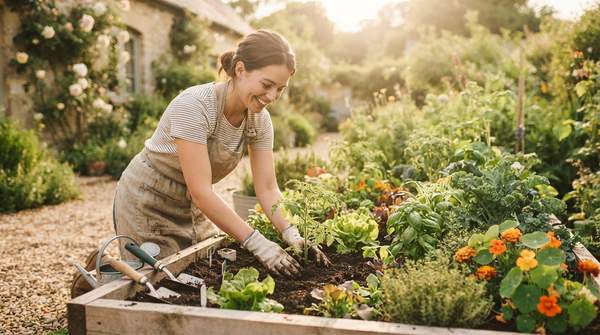
Denver Botanic Gardens experts are sharing essential Colorado drought gardening strategies and plant choices for homeowners, as new long-range forecasts predict varied spring conditions. These strategies aim to help maintain beautiful, sustainable outdoor spaces.
Colorado faces ongoing dry conditions. The guidance provides a practical roadmap for water-wise landscaping, allowing residents to cultivate thriving gardens that conserve a critical resource. These strategies focus on working with the region's climate, demonstrating that a vibrant yard does not require excessive water use.
What We Know So Far
- The Denver Botanic Gardens demonstrates that beautiful and thriving landscapes are possible in dry or drought conditions through strategic planning and appropriate plant choices, according to reports from cbsnews.com and nationaltoday.com.
- Approximately a quarter of the gardens at the Denver Botanic Gardens are not watered at all, yet they continue to thrive with vibrant foliage.
- Experts advise homeowners to avoid major landscape changes this spring, especially projects like new lawns that require heavy watering for establishment.
- The 2026 Old Farmer’s Almanac provides long-range weather predictions for 18 regions of the United States, offering gardeners a tool for planning moisture management and plant selection, according to the publication.
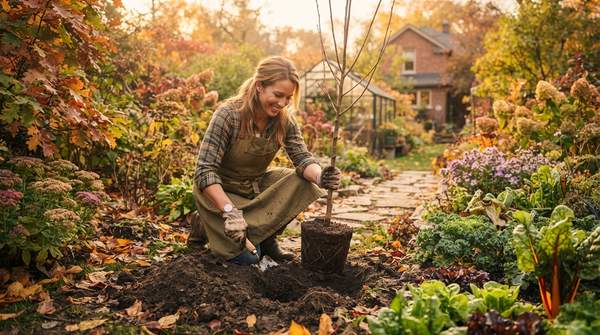
Essential Spring Planting Strategies for Colorado Drought Conditions
The Denver Botanic Gardens demonstrates that a lush landscape is achievable with limited water; approximately a quarter of its grounds receives no irrigation. This success, built on careful plant selection and climate-appropriate design, exemplifies the shift local experts emphasize for spring gardening, moving away from water-intensive plants and practices.
Panayoti Kelaidis, senior curator at the Denver Botanic Gardens, advises homeowners to choose plants specifically adapted to Colorado's climate. According to cbsnews.com, this single decision can make a significant difference in a garden's water needs and overall resilience. Instead of introducing thirsty, non-native species, gardeners are encouraged to explore the wide variety of native and adapted plants that naturally flourish in the region's semi-arid environment. This approach not only conserves water but also reduces the need for fertilizers and pesticides, creating a more self-sufficient garden ecosystem.
In line with this guidance, experts and local officials are cautioning against undertaking major landscape overhauls this season. Officials in Golden, Colorado, have specifically advised residents to delay projects that require heavy watering to become established. The consensus is to focus on maintaining existing landscapes with water-wise techniques or making small, manageable additions of drought-tolerant species. For homeowners with traditional bluegrass lawns, experts suggest letting the grass go dormant temporarily during dry spells, which conserves water and supports the health of the turf in the long run.
Water-Saving Gardening Techniques for Colorado's Dry Climate
Applying a layer of mulch or compost around plants insulates the soil, reducing evaporation and keeping roots cool. This technique also suppresses weeds, which compete for water and nutrients, and is one of several specific techniques that dramatically improve a garden's ability to retain moisture and thrive during dry periods. The Old Farmer's Almanac notes effective moisture management is crucial in drier-than-normal areas.
Simple irrigation solutions, such as drip lines or soaker hoses, are also recommended. These systems deliver water directly to the base of the plants, minimizing loss to wind and evaporation. This is a far more efficient method than traditional overhead sprinklers, which can lose a significant amount of water before it ever reaches the soil. By watering deeply but infrequently, gardeners encourage plants to develop deeper, more resilient root systems capable of accessing moisture further down in the soil profile.
An interesting side benefit of reducing lawn watering has also been reported. According to cbsnews.com, withholding water from bluegrass can help control Japanese beetle populations. The pest's grubs rely on moist, green grass to survive and mature. "If you don't water bluegrass, you will kill Japanese beetles," Kelaidis stated. This presents an additional incentive for homeowners to allow their lawns to go dormant, contributing to a healthier, more balanced backyard environment with fewer pests.
What Happens Next
Looking ahead, long-range forecasts can help Colorado gardeners plan their spring activities. The 2026 Old Farmer’s Almanac provides predictions for April and May that suggest a varied weather pattern. While much of the United States is forecast to be warmer than normal, parts of Colorado are expected to see temperatures closer to or below seasonal averages. The publication also forecasts that wetter-than-normal conditions are expected in the High Plains and Intermountain region, which includes parts of the state.
Forecast information is useful for planning garden timing, soil preparation, and plant selection. While wetter conditions could offer a window for establishing new drought-tolerant plants with less supplemental irrigation, experts stress that water-wise strategies remain the most prudent course of action for a beautiful, sustainable garden this spring and beyond, given the state's underlying drought conditions.