Physical clutter in your environment actively competes for your attention, causing decreased productivity and increased stress, according to Mather Hospital. A constant barrage of visual stimuli drains cognitive resources, making it harder to focus on important tasks and contributing to a persistent sense of overwhelm.
Most people view decluttering as a superficial household chore, but it is a powerful tool for enhancing cognitive performance and reducing daily stress. The physical state of your living space directly impacts your mental state, often more profoundly than realized.
As the link between physical environment and mental well-being becomes clearer, adopting structured decluttering methods like seasonal swaps will likely be recognized as essential for modern productivity and stress management.
Studies from Mather Hospital reveal that people’s task performance demonstrably increased in organized environments compared to disorganized ones. An untidy home is not merely an aesthetic issue; it is a measurable drain on your mental resources and efficiency. Conversely, organization directly boosts performance, offering a tangible return on the effort invested in tidiness.
Seasonal decluttering, a strategy to simplify and organize your home, helps save time, space, and money, as reported by Makinglemonadeblog. A systematic approach transforms an overwhelming task into manageable segments, yielding tangible benefits that extend beyond just a clean appearance.
Beyond Tidy: The Hidden Benefits of Seasonal Decluttering
Seasonal decluttering involves focusing on specific areas of the home each season to avoid feeling overwhelmed, according to Makinglemonadeblog. The seasonal swap method for decluttering and organizing home prevents the buildup of items that compete for your attention, directly addressing the cognitive burden of clutter. By tackling smaller, focused zones, you maintain consistent order without feeling swamped by a massive, year-long project.
This structured approach to organizing your home by season serves as a proactive mental health strategy. By systematically removing physical clutter, you eliminate tangible attentional competitors, allowing for enhanced mental clarity. The process itself, by breaking down a large task into smaller, focused actions, is a meta-cognitive strategy that directly improves the very cognitive functions that physical clutter degrades.
The common perception of decluttering as a superficial chore is dangerously misguided; Mather Hospital's research reveals it's a critical intervention against 'attentional competition' that actively degrades cognitive function and fuels stress, making it essential for mental well-being.
Your Seasonal Swap Playbook: How to Declutter Effectively
To successfully declutter seasonally, begin by preparing items for storage meticulously. Clothes need to be washed or dry-cleaned before being put away, as this prevents moths from being attracted to traces of sweat, perfume, or food, according to A Life More Organised. The initial step of washing or dry-cleaning clothes is foundational for preserving your garments and ensuring they are fresh for their next use.
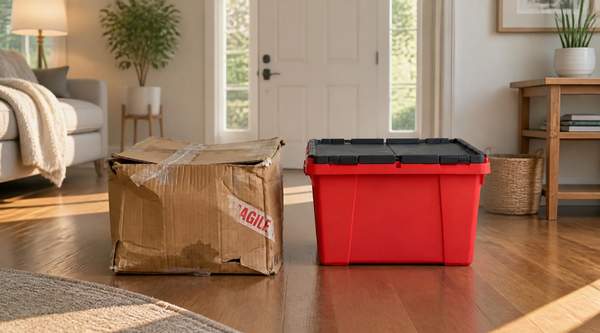
Selecting the correct storage materials is equally important for a seasonal swap method. A Life More Organised recommends breathable cotton garment bags, fabric boxes, or acid-free tissue paper for storage, as plastic tubs can trap moisture and cause fabrics to yellow or smell musty. While Makinglemonadeblog touts time and money savings from seasonal decluttering, these detailed storage requirements from A Life More Organised suggest that successful, long-term decluttering isn't a one-off event but an ongoing, informed practice that demands specific knowledge and regular maintenance to truly reap its benefits.
Vacuum bags are suitable for bulky jumpers or coats to maximize space, but you should avoid them for items with structure like blazers or delicate knits that could lose their shape, advises A Life More Organised. Proper preparation and selecting the correct storage materials are foundational steps to ensure your items are preserved and ready for their next season.
Common Mistakes to Avoid When Storing Seasonal Items
One common error in seasonal storage involves using inappropriate containers. Plastic tubs can trap moisture, leading to fabrics yellowing or developing musty odors, according to A Life More Organised. Instead, opt for breathable cotton garment bags, fabric boxes, or acid-free tissue paper to protect your items properly.
Another mistake is assuming all clothing can be stored using the same method. While vacuum bags are excellent for compressing bulky jumpers and coats, they should not be used for structured items like blazers or delicate knits, which can lose their shape, as detailed by A Life More Organised. Overlooking specific material needs or neglecting pre-storage cleaning can lead to irreversible damage and wasted effort, negating your decluttering work.
Failing to clean garments before storage is a significant pitfall. Clothes need to be washed or dry-cleaned before being put away to prevent moths from being attracted to traces of sweat, perfume, or food, states A Life More Organised. This crucial step ensures longevity and freshness for your seasonal items.
Maintaining Your Organized Home: Seasonal Decluttering FAQs
What is the seasonal swap method for organizing?
The seasonal swap method for organizing involves focusing on specific areas of your home each season to prevent feeling overwhelmed, according to Makinglemonadeblog. The structured approach helps you manage clutter proactively, ensuring your environment supports mental clarity by reducing visual noise and decision fatigue.
How do I keep my seasonal storage items fresh?
To keep your seasonal storage items fresh and protected, remember to refresh fragrances like cedar blocks or lavender sachets every few months, advises A Life More Organised. This ongoing maintenance is part of the 'chore' of maintaining an organized space, ensuring continued effectiveness against pests and mustiness.
The Lasting Impact of a Seasonally Organized Life
Adopting a seasonal swap method for decluttering and organizing your home offers enduring benefits far beyond a tidy appearance. Mather Hospital's findings show that physical clutter actively competes for your attention, directly causing decreased productivity and increased stress. By systematically removing these 'attentional competitors,' you gain enhanced mental clarity and efficiency.
The individuals who embrace a routine of seasonal decluttering experience sustained productivity and reduced stress. This proactive approach transforms decluttering from a superficial household chore into a powerful mental health strategy. The physical environment directly dictates cognitive load and stress levels, making tidiness a form of preventative mental hygiene.
Ultimately, embracing seasonal decluttering is a strategic investment in your mental clarity, productivity, and overall quality of life. Companies looking to boost employee output should consider investing in decluttering initiatives, as Mather Hospital's findings show task performance demonstrably increases in organized environments, suggesting a direct ROI on tidiness by 2026.