Outdoor

The 7 Best Drought-Tolerant Plants for a Low-Maintenance Garden

Create a beautiful, sustainable garden with minimal watering using this guide to the best drought-tolerant plants. Explore top choices like Sedum, Calibrachoa, and Lavender for a vibrant, low-maintenance outdoor space.

MC
Mason Clarke

April 5, 2026 · 7 min read

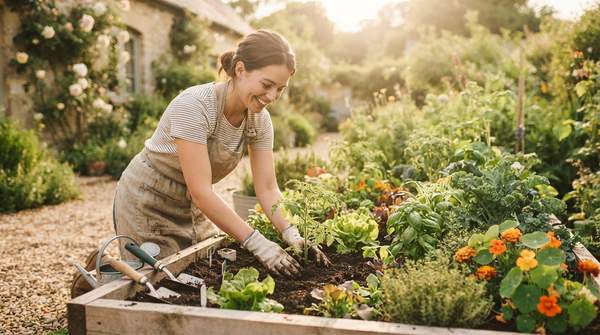
A beautiful, low-maintenance garden filled with colorful drought-tolerant plants such as Sedum, Lavender, and Calibrachoa thriving under a bright sun, showcasing sustainable landscaping.

Sedum varieties, well-regarded for their drought tolerance, exemplify the low-maintenance plants featured in this guide. This ranked list helps gardeners of any skill level cultivate vibrant, sustainable gardens that withstand hot, dry summers without constant attention. According to MoneyTalksNews.com, incorporating such plants reduces water consumption and lowers utility bills. Each top choice is evaluated by resilience, maintenance needs, aesthetic value, and ability to flourish with less water and overall hardiness.

This list prioritizes plants with documented drought tolerance, minimal care, and resilience across climates, based on horticultural reports.

Why Choose Drought-Tolerant Plants for Your Garden?

Drought-tolerant plants are adapted to survive with limited water, handling low rainfall and heat. According to The Old Farmer's Almanac, this resilience keeps gardens healthy during hot, dry summers and significantly reduces watering needs. Many plants develop deep root systems or thick, waxy leaves to store moisture efficiently, conserving water and minimizing garden maintenance. Homeowners gain more time to enjoy their outdoor space, creating a beautiful, environmentally responsible landscape.

1. Sedum (Stonecrop) — Best Overall Groundcover

Sedum, or stonecrop, thrives in challenging sunny spots, rock gardens, or poor, dry soil where other plants struggle. These succulent varieties store water in their leaves, allowing them to flourish in full sun with almost no supplemental watering once established. Homes & Gardens confirms Sedum is hardy in USDA zones 3–9, providing consistent color and texture.

Sedum is remarkably self-sufficient compared to groundcovers requiring fertile soil or consistent moisture. Varieties like 'Lemon Coral' form dense, vibrant mats effective at suppressing weeds. Its resilience is a major advantage, but Sedum performs poorly in wet, heavy soil, leading to root rot; good drainage is crucial for its success.
2. Calibrachoa (Million Bells) — Best for Vibrant Containers

Calibrachoa, tough, colorful, and sprawling, fills patios, balconies, and window boxes with cascading color, blooming profusely from spring until the first frost. Laura Janney, a landscape architect, tells Homes & Gardens that 'Calibrachoa are tough little flowers with a delicate feel.' These plants are a superior choice over more demanding annuals because they are self-cleaning, requiring minimal deadheading to continue flowering.

Calibrachoa are perennials in zones 9-11, but typically grown as annuals in cooler climates. Their primary drawback is a dislike for consistently damp soil; overwatering is more detrimental than underwatering, so soil should dry out slightly between waterings. This characteristic suits them well for hot, dry conditions where other container plants might wilt.

3. Lavender — Best for Aromatic Appeal

Lavender is ideal for creating a classic, Mediterranean-style garden, lining a sunny walkway, or enjoying its calming fragrance. According to Homes & Gardens, it thrives in full sun, copes well with drought, and needs little attention once established. This makes lavender a durable choice over many flowering perennials requiring richer soil and more water.

Different varieties offer different sizes, from compact ‘Munstead’ (12–18 inches tall) to the taller ‘Phenomenal’ hybrid (24–30 inches), allowing for versatile use in both garden beds and containers. The main limitation of lavender is its strict requirement for well-drained, slightly alkaline soil. It will not tolerate "wet feet" or heavy clay soils, which can cause the plant to decline quickly. Proper soil preparation is key to its long-term health.

4. Yarrow (Achillea) — Best for All-Weather Resilience

Country Living reports yarrow is a reliable plant for tough weather, thriving in both swamp-like soil and immense drought conditions. This adaptability makes it the go-to plant for gardeners facing unpredictable weather. Its feathery foliage and flat-topped flower clusters add unique texture to garden beds and attract pollinators.

Yarrow's resilience surpasses delicate perennials, growing up to 3 feet tall with long-lasting blooms. However, its robust nature can be a drawback: some varieties spread aggressively via rhizomes, potentially becoming invasive if not managed. Gardeners should divide the plant every few years to keep it in check.

5. Coreopsis (Tickseed) — Best for Extended Bloom Season

Coreopsis is a top contender for gardeners seeking a continuous supply of cheerful, daisy-like flowers throughout summer. This sun-loving, long-blooming, and resilient plant brings bright color to the garden with very little effort. Homes & Gardens notes that most Coreopsis varieties are hardy in zones 4–9 and thrive in lean, well-drained soil. This preference for less-fertile soil makes it a better choice than heavy-feeding annuals that require constant fertilization to keep blooming.

Coreopsis distinguishes itself by producing a profusion of flowers even in hot, dry weather. The plant is relatively low-maintenance, though deadheading spent flowers can encourage an even longer bloom period. However, a potential downside is that some taller varieties can become leggy and flop over, particularly after heavy rain. This issue can be mitigated by selecting more compact varieties or providing some support.

6. Periwinkle (Vinca) — Best for Reliable Fillers and Deer Resistance

Periwinkle is a workhorse annual for gardeners needing to fill in gaps in sunny beds or containers with a plant that is both beautiful and tough. It is especially suited for areas where deer are a problem, as they tend to avoid it. According to Homes & Gardens, Periwinkle is a low-maintenance plant that flowers from spring through fall and copes easily with hot, dry spells. Landscape architect Laura Janney states, 'Vinca are extremely reliable; consistent bloomers and easy to pop in as a filler.'

Its glossy green leaves and simple, five-petaled flowers provide a clean, polished look all season long. It is an annual in zones 1–9 and a perennial in 10–11. While its reliability is a significant asset, its primary limitation is its intolerance of cool, wet soil, which can lead to fungal diseases. It's crucial to wait until the soil has warmed in the spring before planting.

7. Ninebark (Physocarpus) — Best Structural Shrub

For homeowners looking to add structure, height, and year-round interest to their landscape with a single, low-care plant, Ninebark is an outstanding choice. This fast-growing shrub provides interest across multiple seasons, with attractive foliage, spring flowers, and exfoliating bark in the winter. Country Living reports that Ninebark can stand up to drought and insects and requires little care once established. This makes it a more sustainable choice than shrubs that are prone to pest issues, like those discussed in our guide to common household pests.

Its hardiness and adaptability to a range of soil types make it superior to more finicky shrubs. Modern cultivars offer foliage in a variety of colors, from deep burgundy to bright chartreuse. The main drawback is its size and growth rate. A mature Ninebark can become quite large, and it may require periodic pruning to maintain its desired shape and prevent it from overwhelming smaller plants in the garden.

Plant NameTypeUSDA Hardiness ZonesBest For
Sedum (Stonecrop)Perennial3–9Overall Groundcover
CalibrachoaAnnual/Perennial9–11 (Perennial)Vibrant Containers
LavenderPerennial5–9Aromatic Appeal
Yarrow (Achillea)Perennial3–9All-Weather Resilience
Coreopsis (Tickseed)Perennial4–9Extended Bloom Season
Periwinkle (Vinca)Annual/Perennial10–11 (Perennial)Deer Resistance & Fillers
NinebarkShrub2–8Structural Interest

How We Chose This List

In selecting the plants for this list, we prioritized varieties with strong evidence of drought tolerance and low-maintenance characteristics from reputable horticultural and lifestyle sources. Our criteria focused on plants that not only survive but thrive in dry conditions once established, minimizing the need for supplemental watering. We included a mix of groundcovers, flowering perennials, annuals, and a shrub to provide options for various landscaping needs. Plants that required specialized soil amendments, frequent pruning, or constant pest management were excluded to ensure every recommendation aligns with the goal of a truly low-maintenance garden. The final selections represent a balance of resilience, aesthetic appeal, and broad suitability for a range of climates across the United States.

The Bottom Line

Creating a beautiful, low-maintenance garden in the face of dry conditions is entirely achievable with the right plant choices. For a dependable, weed-suppressing groundcover, Sedum is an excellent foundation for any sunny, dry area. If you're seeking season-long, vibrant color for pots and hanging baskets, Calibrachoa delivers an impressive display with minimal effort. For adding structure and multi-season interest, the hardy and resilient Ninebark shrub is a worthwhile investment for any landscape.