Organization

The Rise of Sustainable Decluttering: How Homeowners Are Organizing with a Conscience

A growing trend in sustainable decluttering is helping homeowners organize their spaces with thoughtful, eco-friendly choices. Learn practical steps to reduce waste and keep your home tidy.

LQ
Layla Quinn

April 7, 2026 · 5 min read

People thoughtfully sorting items in a bright living room, demonstrating sustainable decluttering practices like donating, repairing, and researching eco-friendly disposal options.

A bulky sofa bed found a new home the same day it was offered for sale, rather than heading to a landfill. This exact scenario, reported by theguardian.com, highlights a growing trend: sustainable decluttering. This shift in how some people approach clearing out their space involves making thoughtful, eco-friendly choices for unwanted items, moving beyond simple tidying up.

What People Are Doing Differently

Called "Green Decluttering," this new approach to organizing focuses on intentionality. Goodwill South Florida defines it as a sustainable method that prioritizes keeping items out of the landfill. It involves specific, actionable steps you can implement today.

People are moving beyond simple "keep, toss, donate" piles, adding new layers that focus on the entire lifecycle of their possessions. This mindful approach changes not only how items are discarded but also how new items are brought into the home. The core idea is to reduce what goes to waste.
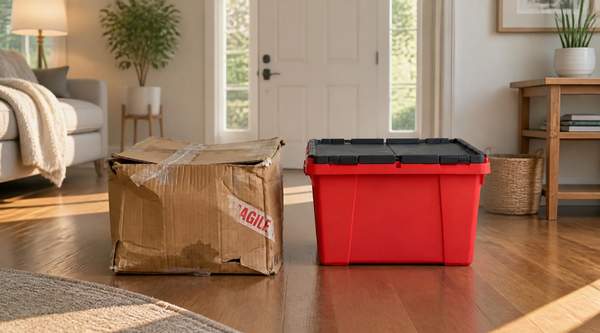
  • Prioritizing Reuse and Recycling: Before an item is considered "trash," people ask if it can be reused or recycled. This fundamental green decluttering step, noted by Goodwill South Florida, gives every item a chance at a second life.
  • Donating with Purpose: The donation process is evolving; instead of one-size-fits-all drop-offs, people donate with more intention. Good Housekeeping reports this means finding specific local organizations, such as domestic violence shelters or community programs, that genuinely need the items.
  • Repurposing Creatively: Items like sturdy shoe boxes or glass jars from candles are repurposed instead of tossed. Good Housekeeping reports that using attractive and sturdy packaging for home storage is a popular way to reduce waste.
  • Going Digital: Addressing paper clutter, people embrace digital documents—from bills to important records. This is a key part of a sustainable decluttering strategy, according to Goodwill South Florida.

How Conscious Consumption Influences Decluttering Habits

Sustainable decluttering is not solely about what leaves your home; it also encompasses what comes in, as the two are deeply connected. Thoughtfully organizing your space increases awareness of what you truly need and use, which naturally leads to more conscious consumption habits.

Professional organizers report using clear systems to help with this. Good Housekeeping notes that "clear, intentional systems, like labeled jars or open shelving, help us see exactly what we have—especially in the pantry—so we waste less and avoid duplicate purchases." When you can see your five cans of black beans, you’re less likely to buy a sixth. This simple organizational trick has a direct impact on your shopping habits, preventing the accumulation of future clutter.

This approach fosters simplicity: an interpretation from Good Housekeeping suggests that a space containing only what is needed and loved naturally helps stop overconsuming and keeps waste low. Your home becomes a curated collection of useful, meaningful items, not a storage unit for impulse buys, giving "a place for everything, and everything in its place" a new, sustainable meaning.

Practical Steps to Sustainable Decluttering

Ready to implement green decluttering? It's easier than you think, and you don't have to do everything at once; small, consistent changes make a huge difference. Based on tips from organizers and sustainable living guides, here are a few practical steps to start your journey.

  1. Create Effortless Donation Systems. One tip from Good Housekeeping is to keep a dedicated donation bin in every closet. When you try on a shirt and realize you'll never wear it again, you can put it directly into the bin. This makes the decision immediate and effortless. Once the bin is full, you can move on to the next step: donating with purpose.
  2. Find the Right Home for Your Items. Before you drop everything at the nearest thrift store, do a little research. As Good Housekeeping advises, "Find local organizations like domestic violence shelters or community programs that actually need what you're releasing." A quick search online or a call to a local community center can help you match your unwanted items with people who will see them as necessities.
  3. Embrace Digital Organization. Tackle that paper pile once and for all. Goodwill South Florida points to embracing digital documents as a key step. Take an afternoon to scan important papers, sign up for paperless billing, and unsubscribe from junk mail. You'll be amazed at how much physical space this frees up.
  4. Rethink Your Storage. Look around your home for items you can repurpose for organization. Old jars can hold spices or office supplies. Sturdy boxes can become drawer dividers. This not only saves you money on buying new storage containers but also prevents perfectly good items from ending up in the recycling bin or, worse, the landfill.

What This Means for Your Home

Adopting these habits can transform your relationship with your belongings and your space. The focus shifts from rapid, overwhelming purges to a continuous, mindful process of curation. It’s less about a frantic weekend of cleaning and more about building lifelong habits that keep your home organized and your environmental footprint smaller.

Information on this topic is becoming more available. Guides providing tips for sustainable decluttering and eco-friendly disposal methods are being published by sources like MSN and Green Move UK. The availability of these resources suggests a growing interest in how to manage household clutter without sending it to a landfill. For homeowners, this means more support and ideas are just a click away. The next step is simply to begin, one small, sustainable choice at a time.

Key Takeaways

  • Some homeowners are reportedly finding ways to dispose of household clutter without sending it to a landfill, such as selling or donating items.
  • Sustainable decluttering methods include reusing and recycling items, donating with purpose to specific organizations, and repurposing packaging for storage.
  • Professional organizers report that using clear systems, like labeled jars, can help you see what you own, which may reduce waste and prevent you from buying duplicates.
  • Embracing digital documents is another reported step in a sustainable organizing approach, helping to reduce paper clutter in the home.