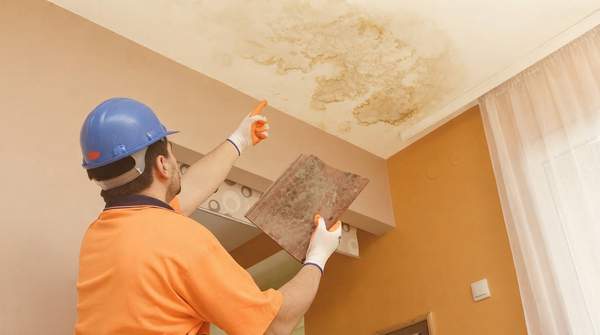
Protecting property values and avoiding unnecessary costs through preventative home management is crucial, especially given that a WSB-TV report found 65% of American homeowners ignored a maintenance task in the last five years, leading to 29% needing avoidable repairs. This ranked guide helps homeowners prioritize essential tasks based on potential cost of neglect, impact on safety, and overall long-term home health to protect their investment.
Tasks are ranked to prevent high-cost emergency repairs, drawing on data from common homeowner oversights and recommendations from home maintenance experts and the Better Business Bureau.
1. HVAC System Servicing — Best for Energy Efficiency & Longevity
The heating, ventilation, and air conditioning (HVAC) system is the mechanical heart of a home, yet it often runs without a second thought until it fails completely. This task ranks first because of its direct and significant impact on both monthly utility bills and the unit's lifespan. While most homeowners know to change the air filter, comprehensive annual servicing is a different and far more crucial task. Professional maintenance goes beyond the filter, involving cleaning evaporator and condenser coils, checking refrigerant levels, testing electrical components, and lubricating moving parts. These steps ensure the system runs at peak efficiency, reducing energy consumption.
This task is especially critical for homeowners living in climates with extreme hot or cold seasons where the HVAC system is under constant strain. The primary drawback is the upfront cost of a professional service call, which can feel like an unnecessary expense when the system appears to be working fine. However, WSB-TV reports that an HVAC system with regular maintenance can have a lifespan of 15-25 years, compared to just 10-15 years for a neglected one. Considering a full replacement can cost thousands, the annual service fee is a sound investment. According to the same report, scheduled maintenance visits are often three to five times cheaper than reactive, last-minute emergency repairs.
- Check and Replace Filters: This is the most important DIY step. Check your filter monthly and replace it at least every 90 days, or more often if you have pets or allergies. A clogged filter forces the system to work harder, increasing energy use and wear.
- Clear the Outdoor Unit: Keep the area around your outdoor condenser unit clear of leaves, grass clippings, and other debris. There should be at least two feet of clearance on all sides to ensure proper airflow.
- Schedule Annual Professional Tune-Ups: Hire a qualified technician once a year (in the spring for AC, fall for heating) to perform a full inspection and cleaning. This is key to catching small problems before they become catastrophic failures. You can learn more about caring for other systems in our guide on how to maintain major home appliances to extend their lifespan.