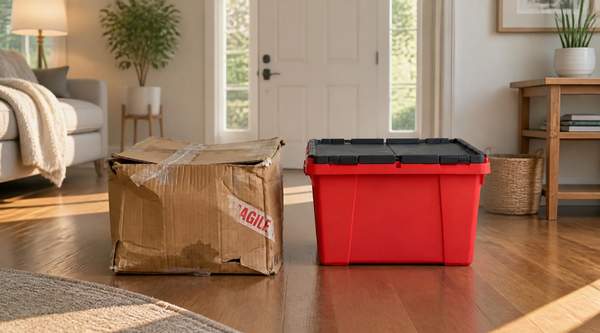
A common mistake in home organization is buying containers before even knowing what needs to be stored, often leading to more clutter rather than less. This premature shopping traps many in a frustrating cycle where new bins simply hold old, unwanted items, making spaces feel even more overwhelming. As Sunset points out, shopping for containers before decluttering and planning is a critical error.
People often believe more storage is the key to organization, but effective decluttering relies on strategic methods and planning before acquiring new items. This impulse to buy storage actively sabotages efforts to create lasting order. Until consumers shift focus from product acquisition to a methodical decluttering process, persistent clutter will remain. Sustainable home organization demands applying professional organizer tips consistently.
Essential Decluttering Strategies
Prioritize Decluttering Before Buying Containers
Best for: Anyone overwhelmed by clutter, especially those prone to impulse buying storage.
Professional organizers consistently advise against shopping for containers first. This common mistake won't solve clutter. Instead, go through what you have, discarding items that no longer serve you *before* organizing. As Sunset warns, prioritizing attractive storage over strategic decluttering only worsens the problem.
Strengths: Prevents wasted money and effort | Limitations: Requires discipline and upfront effort | Price: Free
Apply the 'Last 12 Months' Rule
Best for: Individuals struggling with sentimental attachment or decision fatigue.
If an item hasn't been used in the last 12 months, it's likely not needed. This rule offers a clear, objective metric, simplifying tough decisions about what to keep or discard.
Strengths: Offers a clear, objective guideline | Limitations: May be challenging for seasonal items | Price: Free
Implement the Space Camp System
Best for: Those seeking a comprehensive, step-by-step approach to organization.
The Space Camp system follows five distinct steps: Sort, Clean, Plan, Reset, and Maintain. This structured approach ensures every aspect of organization, from initial decluttering to long-term upkeep, is addressed for lasting order.
Strengths: Provides a complete framework for lasting order | Limitations: Requires commitment to all five stages | Price: Free
Start Small, Build Momentum
Best for: Beginners or those easily discouraged by large projects.
Professional organizers suggest picking a manageable, exciting space and dedicating a few hours to complete it. This builds crucial momentum and confidence, making larger projects feel less daunting.
Strengths: Boosts motivation and prevents burnout | Limitations: Small wins don't address systemic issues alone | Price: Free
Maintain 20% Free Space
Best for: Anyone aiming for adaptable, long-term organization.
Keep 20% free space in organized areas to allow for growth and change. This counterintuitive approach directly contradicts the urge to fill every inch, creating adaptable systems with intentional breathing room. It ensures your space can evolve with your life.
Strengths: Allows for flexibility and prevents future clutter | Limitations: Requires discipline to not fill empty space | Price: Free
Optimize Prime Storage Real Estate
Best for: Optimizing daily routines and reducing search time.
When resetting a space, pair frequently used items with valuable, accessible areas like eye-level shelves, as Sunset advises. This simple strategy dramatically improves daily efficiency and reduces frustration from misplaced objects.
Strengths: Improves daily efficiency and reduces frustration | Limitations: Requires honest assessment of item usage | Price: Free
Ditch Ineffective Storage
Best for: Identifying and replacing common clutter-creating habits.
Plastic grocery bags are not effective organizational solutions; their opacity leads to forgotten items. Instead, opt for transparent or clearly labeled containers to maintain visibility and easy access. This prevents hidden clutter from accumulating.
Strengths: Prevents hidden clutter and promotes visibility | Limitations: Requires investing in proper storage solutions | Price: Varies