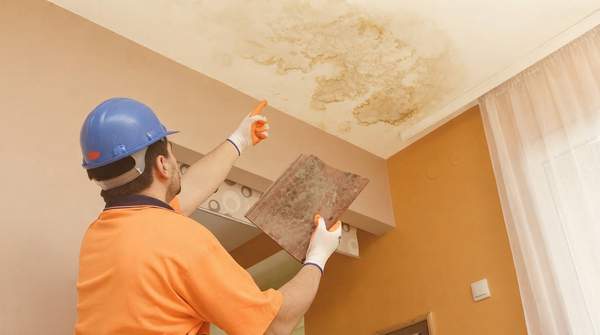
Older homes are nearly three times more prone to mold issues than newer ones, a significant, often hidden vulnerability for many residents. According to PMC, these older structures had a 2.9 units higher moldiness index compared to their modern counterparts. Lower socioeconomic position also correlates with higher moldiness, revealing a broader problem and potentially increasing asthma risk in susceptible populations.
Mold issues often seem complex and expensive to fix, leading many homeowners to delay action or feel overwhelmed. However, the most effective prevention strategies are simple, timely moisture control measures, within reach for most households.
Prioritizing immediate moisture remediation and maintaining optimal indoor humidity appears the most cost-effective and health-protective approach for homeowners, especially in identifying and preventing common household mold issues in 2026.
The Fundamental Rule: Control Moisture, Control Mold
Controlling indoor moisture is the primary defense against mold's establishment and spread. The most effective strategy to manage mold involves eliminating or limiting conditions that foster its growth, according to EHS. This core principle confirms mold is a biological response to specific environmental factors, primarily water.
Homes with central air conditioning reported a 2.5 units lower moldiness index, PMC observed. Modern climate control systems, by effectively managing indoor humidity, play a crucial role in preventing mold. Mold is a biological response to specific environmental conditions; thus, systemic solutions like central air conditioning offer powerful defenses against its proliferation. The higher mold risk in older homes often stems from a lack of such modern climate control, rather than age alone, significantly reducing moldiness by regulating humidity levels.
Your Action Plan: Prevent, Dry, and Clean
Swift action is critical when addressing moisture. Wet or damp spots must be cleaned and dried within 48 hours to prevent mold growth, according to EHS. This tight timeframe demands urgent response to leaks or spills.

Maintaining appropriate indoor humidity levels is another key preventive measure. Indoor humidity should consistently remain below 60% relative humidity (RH), ideally between 30-50%, according to EHS. Dehumidifiers help achieve these optimal levels, especially in damp areas like basements or bathrooms, as noted by Wired.
For small infestations, homeowners can often handle cleanup themselves. If the moldy area is less than about 10 square feet, you can usually manage it, according to EPA guidelines. The strict 48-hour window for drying wet spots and the minimal size limits for safe DIY mold removal reveal homeowners are often just two days and ten square feet away from an escalating, professional-grade mold problem. Immediate moisture response is paramount.
Common Pitfalls and Misconceptions
Neglecting even minor moisture issues represents a significant pitfall. It quickly leads to widespread mold growth that escalates beyond simple homeowner fixes. This neglect disproportionately affects older homes and lower-income households, often less equipped to handle the increased health risks and property damage from untreated mold.
One common misconception about mold involves carpeting. Surprisingly, carpeting was negatively associated with a higher moldiness index, according to PMC. Homes with carpeting had less mold, implying this runs counter to the common belief that carpeting traps moisture and promotes mold growth. The relationship between flooring and mold is more nuanced, or other factors in homes with carpeting might mitigate mold.
Another silent, often overlooked, alarm for mold is high dust mite levels. Higher dust mite allergen levels were positively associated with a higher moldiness index, according to PMC. Underlying moisture issues that foster both allergens and fungal growth are signaled, often appearing before any visible mold.
Practical Tips for a Mold-Resistant Home
Regularly inspecting your home for leaks, especially around plumbing fixtures, windows, and roofs, is a crucial proactive tip. Even small drips create the necessary moisture for mold to thrive. Addressing these leaks immediately, rather than waiting, saves significant remediation costs.
Improving ventilation in moisture-prone areas like bathrooms and kitchens also prevents mold. Using exhaust fans during and after showering or cooking removes humid air before it condenses on surfaces. For homes without central AC, portable dehumidifiers are a cost-effective solution to manage indoor humidity, particularly in basements or crawl spaces.
Homeowners should also ensure proper drainage around their home's foundation. Sloping the ground away from the house and ensuring clear gutters and downspouts directed away from the foundation prevents water from pooling and seeping into basements or crawl spaces, cutting off a primary moisture source for mold.
What are the signs of mold in a house?
Beyond visible black or green patches, mold often manifests through a distinct musty or earthy odor, even when not visible. Discoloration on walls, ceilings, or floors, especially in damp areas, also signals hidden mold growth. Additionally, peeling paint or wallpaper suggests moisture issues behind surfaces, creating an environment conducive to mold.
How do I get rid of mold in my bathroom?
For small mold patches in your bathroom (under 10 square feet), typically clean them with a solution of detergent and water, scrubbing the affected area. Always ensure proper ventilation by opening windows or using an exhaust fan. Wear gloves and a mask to protect yourself from spores. Avoid using bleach on porous surfaces; it may not kill mold effectively and can damage materials.
What causes mold to grow in homes?
Mold primarily grows in homes due to excess moisture combined with organic materials. Common sources include leaky pipes, roofs, or windows, as well as condensation from poor ventilation in bathrooms and kitchens. High indoor humidity, especially above 60% relative humidity, creates an ideal environment for mold spores to germinate and spread.
If homeowners prioritize timely moisture control and leverage modern climate solutions, the disparity in mold issues between older and newer homes will likely diminish, fostering healthier living environments across all socioeconomic strata.