11 Reasons Your Home Feels Cluttered After Decluttering

Living in a cluttered environment increases the production of cortisol, the stress hormone, which affects immune systems, sleep, productivity, and wellbeing, according to Homesrevamped Com Au .

LQ
Layla Quinn

June 6, 2026 · 6 min read

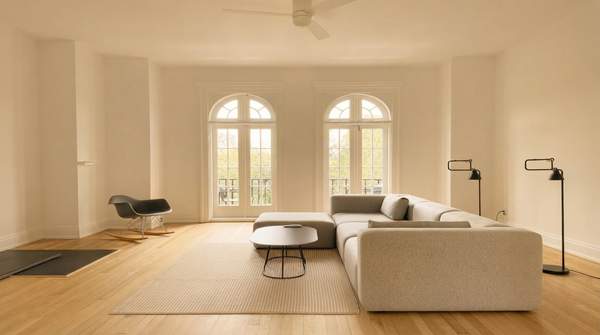
A seemingly organized living room with subtle hints of clutter, illustrating the paradox of decluttering.

Living in a cluttered environment increases the production of cortisol, the stress hormone, which affects immune systems, sleep, productivity, and wellbeing, according to Homesrevamped.com.au. This physiological stress can lead to a cycle of decreased energy and increased disorganization. The feeling of overwhelm and failure associated with attempting to declutter can lead people to abandon the task entirely, allowing clutter to accumulate further.

Many people try to declutter to reduce stress and improve their living space. However, the very act of decluttering often spreads the mess and increases feelings of overwhelm, making the problem worse before it gets better. This self-sabotaging cycle leaves homes feeling cluttered even after significant effort.

Adopting contained, low-stress methods, such as using temporary organizational tools like sheet pans, appears crucial for successful and sustainable decluttering. This approach prevents the cycle of frustration and re-cluttering, making the process less daunting. One of the biggest obstacles to decluttering is having to move the clutter from a cluttered place into a previously clean area, which can be demoralizing, according to Slate Magazine. Companies selling elaborate organizational systems are missing the point: the true barrier to decluttering isn't a lack of storage, but the psychological hurdle of managing temporary chaos, a problem simple tools like sheet pans can solve.

1. Clutter Spreads During the Decluttering Process

Best for: Anyone starting a decluttering project in a single area.

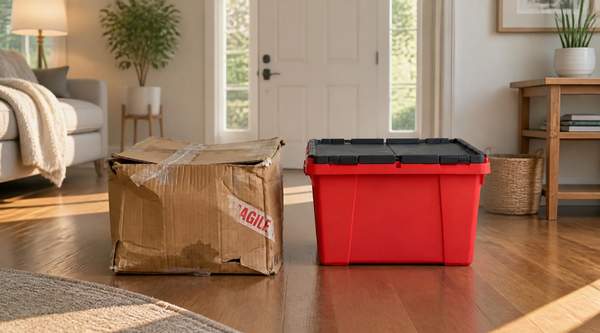
This is identified as one of the biggest obstacles to decluttering, involving moving items from a cluttered spot into a previously clean area. Moving items from a cluttered spot into a previously clean area often proves demoralizing, making your home feel more cluttered after decluttering in 2026.

Strengths: Highlights a core psychological barrier. | Limitations: Can lead to abandonment of the task. | Price: Increased overwhelm, demoralization.
2. Too Many Items on Surfaces

Best for: Individuals struggling with visual clutter on counters and tables.

Having too many items on surfaces, such as bedside tables and kitchen counters, can make a space still feel cluttered, even if it is otherwise tidy, states Torystender. Clear surfaces significantly reduce visual noise.

Strengths: Easy to identify and address. | Limitations: Requires consistent vigilance to maintain. | Price: Visual stress, difficulty finding items.

3. Items Lack a Designated 'Home'

Best for: People who frequently misplace items.

Items lacking a designated 'home' or permanent space often lead to clutter, as they are frequently moved or stored haphazardly, explains torystender.com. This creates a perpetual state of disarray.

Strengths: Resolves root cause of scattered items. | Limitations: Requires thoughtful planning for each item. | Price: Perpetual mess, wasted time searching.

4. Decluttering is Not a One-Time Activity

Best for: Those seeking realistic expectations for long-term organization.

Decluttering is often not a once-and-done activity; many people need to purge repeatedly to achieve their desired home organization, notes torystender.com. This ongoing process prevents re-accumulation.

Strengths: Sets realistic expectations for maintenance. | Limitations: Requires sustained effort over time. | Price: Ongoing effort, potential for discouragement.

5. Excessive Wall Decor/Artwork and Rotating Items

Best for: Anyone dealing with overwhelming visual stimuli.

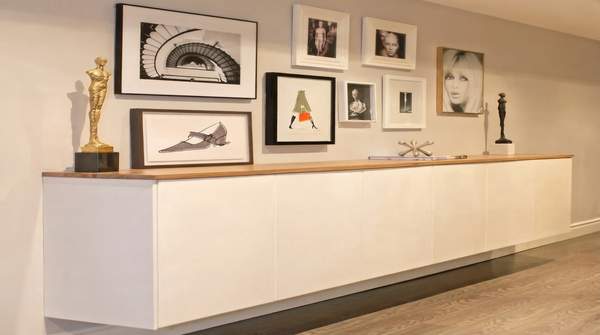
Excessive artwork or decor on walls can create visual clutter. A solution involves rotating items, keeping fewer pieces displayed at one time, according to torystender.com. This creates a fresh look without adding to the mess.

Strengths: Addresses visual clutter directly. | Limitations: Requires regular attention to rotate items. | Price: Visual overload (reason), time investment (solution).

6. Too Much Furniture in a Space

Best for: Homeowners evaluating their spatial arrangement.

Too much furniture in a space can contribute to clutter because furniture takes up significant room and can attract more items, torystender.com reports. Large pieces can make a room feel cramped.

Strengths: Addresses structural causes of clutter. | Limitations: Can involve significant decisions and cost to remove/replace furniture. | Price: Restricted movement, feeling cramped.

7. Decluttering is Emotionally Triggering and Overwhelming

Best for: Individuals who feel paralyzed by the thought of decluttering.

Decluttering guides do not work for most people because they underestimate how triggering dealing with clutter is. This can trigger a 'fight or flight' response, leading to anxiety, brain freeze, and an inability to think clearly, states homesrevamped.com.au. Ignoring the immediate psychological impact of a messy decluttering process is a critical oversight; the very act of trying to reduce cortisol-inducing clutter can backfire, trapping individuals in a cycle of overwhelm and abandonment.

Strengths: Acknowledges a major psychological barrier. | Limitations: Can make starting the process very difficult. | Price: Anxiety, abandonment of task.

8. Seeking Professional Decluttering Help

Best for: Those consistently struggling with decluttering due to emotional or practical barriers.

Professional help is recommended for decluttering because it can help overcome the 'fight or flight' response and guarantee success, according to homesrevamped.com.au. An expert can provide tailored strategies and support.

Strengths: Offers guaranteed success and overcomes psychological hurdles. | Limitations: Involves a financial investment. | Price: Financial cost, reliance on external support.

9. Ensuring 'Breathing Room' in Storage Spaces

Best for: Anyone organizing closets, drawers, or cabinets.

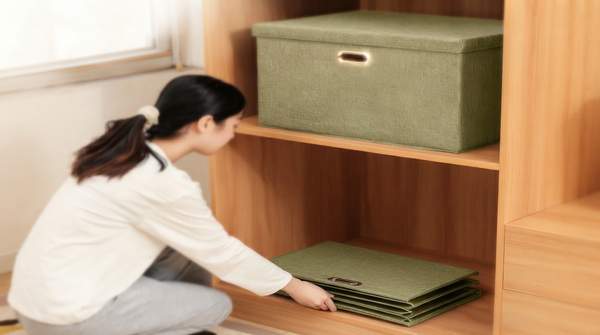
Giving closets, drawers, and bins room for things to breathe can reduce extra steps and energy, states Focuslgbt. Barriers to retrieval of items increase time and frustration, making spaces feel more cluttered.

Strengths: Improves accessibility and reduces frustration. | Limitations: Requires initial effort to create space. | Price: Initial effort to create space, need for discipline.

10. Knowing the Worth of Items and Regular Inventory

Best for: People aiming for mindful consumption and long-term organization.

Knowing the worth of things and regularly taking inventory can help with organization, according to focuslgbt.com. This fosters a conscious awareness of possessions and their purpose.

Strengths: Promotes intentional ownership and reduces impulse purchases. | Limitations: Requires consistent time commitment. | Price: Time investment, mental effort.

11. Underlying Personal Challenges

Best for: Individuals seeking understanding and tailored support for chronic disorganization.

People with brain differences, health issues, or difficult life changes felt untethered by interruptions, according to focuslgbt.com. These challenges can significantly impact one's ability to maintain an organized home.

Strengths: Provides context for persistent clutter. | Limitations: Requires addressing deeper personal issues. | Price: Significant personal struggle, need for tailored support.

AspectTraditional DeclutteringContained Methods (e.g. Sheet Pans)
Initial ImpactOften spreads mess, increasing immediate stress and overwhelm.Quarantines mess, preventing spread and reducing initial overwhelm.
ProcessUnstructured, can feel endless and demoralizing.Structured, manageable, and psychologically less daunting.
Emotional OutcomeTriggers 'fight or flight' response, leading to anxiety and abandonment.Fosters a sense of control and progress, reducing stress.
Long-Term SuccessHigh risk of re-cluttering due to psychological barriers.Higher likelihood of sustained organization through positive reinforcement.

The physiological stress of clutter, marked by increased cortisol, is compounded by the psychological stress of a messy decluttering process. This creates a vicious cycle where the intended cure amplifies the disease. The perceived simplicity of 'just decluttering' masks a critical psychological barrier: the immediate spread of mess during the process often triggers the very overwhelm.erwhelm people are trying to escape, leading to abandonment. This dynamic explains why many homes feel cluttered after decluttering attempts in 2026.

The physical act of containing items, even temporarily with a simple tool like a sheet pan, offers a disproportionately large mental benefit. It 'quarantines' the mess and prevents the demoralizing spread of items across previously clean surfaces. This small change makes the task feel more manageable and less overwhelming, encouraging completion. By adopting these contained, low-stress methods, individuals can break the cycle of frustration and achieve sustainable organization.

How to stop feeling overwhelmed after decluttering?

To stop feeling overwhelmed, focus on containing the mess during the process. Using a sheet pan to temporarily hold items for sorting can prevent clutter from spreading to clean areas, making the task feel more manageable and less daunting. This mental 'quarantine' helps reduce anxiety and fosters a sense of control over the decluttering process.

What to do if decluttering makes things worse?

If decluttering makes things worse by spreading mess, immediately adopt contained methods. Use a simple tool like a sheet pan to limit the scope of the mess to a small, defined area. This approach helps to prevent the demoralizing spread of items and makes the process feel less chaotic, allowing you to regain control.

Is it normal to feel more cluttered after decluttering?

Yes, it is normal to feel more cluttered after decluttering, particularly if traditional methods are used. The act of moving items from one cluttered spot to another clean area can be highly demoralizing and increase feelings of overwhelm. This temporary increase in perceived clutter often leads to abandonment of the task.