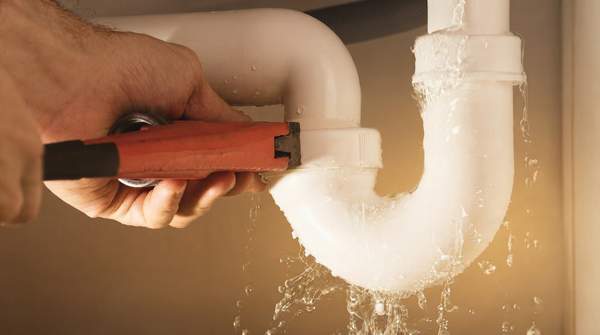
Frozen pipe insurance claims alone average a staggering $18,000 per incident, a stark reminder of winter's potential for property damage, according to Brickkicker. This significant financial burden often stems from preventable issues, impacting countless homeowners each year as temperatures drop. Protecting your home exterior for winter requires careful planning to avoid such costly repairs.
Many homeowners view exterior cleaning as purely aesthetic, overlooking its critical role as a preventative measure against severe and expensive winter damage. This common misconception can lead to substantial repair bills and unexpected disruptions. The perceived effort of routine maintenance often pales in comparison to actual risk mitigation.
Based on the potential for significant repair costs and energy waste, investing in thorough, timely exterior winter preparation appears to be a highly cost-effective strategy for homeowners. Proactive steps safeguard structural integrity and enhance household budgets. This article will guide you through essential preparations.
Why Winter Prep Isn't Just About Looks
Homeowners can reduce their risk of winter property damage by preparing their homes, inside and out, according to Selective. These preparations extend beyond mere curb appeal, directly safeguarding your property from harsh weather conditions. Addressing exterior vulnerabilities early protects your investment.
Sealing gaps and improving insulation could reduce energy waste by 5-30% per year, according to Hippo. This translates into tangible savings on heating bills throughout the colder months. Effective insulation relies on clean, properly maintained exterior surfaces. Neglecting these areas creates continuous financial drains.
Exterior cleaning is a foundational step for effective sealing and insulation, according to jpctriad. A clean surface allows sealants to adhere properly, maximizing their protective and insulating capabilities. The dual benefit of damage prevention and energy savings makes comprehensive winter preparation necessary.
Essential Tasks for a Resilient Exterior
Clear leaves and debris from your gutters before the first snowfall to prevent water intrusion, advises Selective. Clogged gutters can lead to ice dams, causing water to back up and seep into your roof and walls. This simple task averts significant structural damage.
Pressure washing is often an important early step in preparing exterior surfaces for painting or staining, according to jpctriad. Removing accumulated dirt, grime, and mildew creates a clean base for protective coatings. This ensures better adhesion and longevity for any subsequent treatments. A clean surface is crucial for effective winterizing seals.
Inspecting your home's foundation for cracks and sealing any openings is another critical step. Small gaps can allow cold air, moisture, and pests to enter your home. Addressing these vulnerabilities before winter sets in prevents larger issues. These initial measures form the backbone of a robust winterization plan.
Avoid These Common Winter Cleaning Mistakes
For soft washing in colder climates, wait for a 'warm' window where temperatures rise above freezing (32°F or 0°C), advises Windowhero. Cleaning solutions may not perform effectively, or could even freeze, if applied in excessively cold conditions. This caution applies especially to water-based treatments.
In colder regions, plan cleaning projects when temperatures are projected to be above 40°F for at least 4-5 hours, according to Windowhero. This extended period ensures solutions have adequate time to work and surfaces can dry properly. Ignoring these temperature guidelines risks ineffective cleaning and potential surface damage.
This timing recommendation presents a challenge, as Selective emphasizes clearing gutters before the first snowfall. Often, the first snowfall occurs when temperatures are already consistently below the ideal cleaning thresholds of 32°F or 40°F. Homeowners must prioritize critical tasks like gutter clearing, even if it falls outside optimal pressure washing temperatures.
On sunny days, clean your home's exterior in the morning or late afternoon to prevent cleaning solutions from evaporating too quickly, according to Windowhero. Rapid evaporation can leave residue behind, requiring additional effort. Proper planning ensures cleaning effectiveness. Ignoring these environmental factors can negate effort.
Smart Cleaning Solutions for Tough Grime
For really tough spots on wooden decks, add one half cup of chlorine bleach to your hot water cleaning solution, according to hirshfields. This mixture effectively tackles stubborn stains and mildew that resist simpler cleaning agents. Always test cleaning solutions on an inconspicuous area first.
Using one cup of powdered laundry detergent to a gallon of hot water worked wonders in removing grime, pollen, fungus, and mildew from wooden decks, reports hirshfields. This accessible household item offers a powerful cleaning alternative for various organic growths. Apply with a brush for maximum effect.
Pressure washing works wonders getting dirt off of siding, wood, and metal, states hirshfields. It quickly removes accumulated debris and prepares surfaces for further treatment like sealing or painting. Always use the correct pressure setting for the material to avoid damage. Employing these techniques ensures maximum cleaning efficacy.
What Can Pressure Washing Really Clean?
What types of grime can pressure washing remove?
Pressure washing effectively removes a wide array of contaminants from exterior surfaces. This includes common issues like dirt, mud, and various organic growths such as algae and mildew stains. It also tackles leaf marks, pollen residue, and even cobwebs, leaving surfaces visibly cleaner.
Can pressure washing clean discolored areas around entrances?
Yes, pressure washing is highly effective at addressing surface grime and discoloration that often accumulates around entrances and high-traffic areas. The forceful spray lifts away embedded dirt and stains, restoring the original appearance of pathways and entryways. This process quickly improves curb appeal.
What is surface grime and how does pressure washing help?
Surface grime refers to the general accumulation of dirt, dust, and environmental pollutants that settle on exterior surfaces over time. Pressure washing utilizes high-pressure water to dislodge and rinse away this grime, penetrating pores and crevices that manual scrubbing might miss. This thorough cleaning prepares surfaces for protective treatments.
The Payoff of Preparation
Homeowners who view exterior cleaning as a mere aesthetic chore are effectively gambling with their finances. The average $18,000 cost of a frozen pipe claim, according to Brickkicker, dwarfs the investment in preventative maintenance. The average $18,000 cost of a frozen pipe claim highlights the importance of proactive care.
The significant energy savings of 5-30% achievable through proper sealing and insulation, according to Hippo, reveal that neglecting exterior maintenance is not just a risk to property, but a continuous drain on household budgets. The significant energy savings of 5-30%, often preceded by thorough cleaning, according to jpctriad, add another compelling reason for diligence. Proactive measures protect both your home and wallet.
By Q4, homeowners who prioritize exterior maintenance will likely see tangible returns through reduced repair costs and lower utility bills. Investing time and effort into preparing your home exterior for winter offers peace of mind. This diligent approach safeguards your property's value.