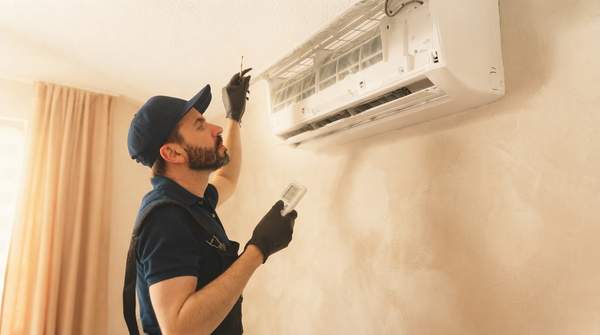
A single clogged HVAC filter can force your system to consume significantly more energy, silently driving up your utility bills and risking premature system failure. This oversight directly impacts both your wallet and the lifespan of your heating and cooling equipment, hindering the home efficiency gains targeted for 2026. Such neglect creates an immediate, costly burden on homeowners.
Many homeowners understand the importance of seasonal HVAC maintenance, but they often underestimate the profound and immediate impact of neglecting simple tasks like changing air filters. The perceived minor delay in replacing a filter can mask a rapid decline in system performance, turning a simple fix into a compounding problem.
Homeowners who consistently perform basic HVAC upkeep, especially filter changes, will likely see substantial savings on energy costs and avoid expensive repairs, while those who don't will face higher bills and earlier system replacements. The true battle for energy efficiency is fought not in the factory, but in the regular, overlooked act of changing an air filter.
A clogged HVAC filter requires more energy to run the system, according to Shakerheightsoh. Dirty, clogged air conditioner filters specifically reduce airflow and system efficiency, allowing dirt to bypass the filter and accumulate on the evaporator coil, which reduces its heat-absorbing capacity, as detailed by Energy. This accumulation on the evaporator coil is counterintuitive to the filter's primary function, actively damaging the system rather than merely impeding airflow.
This minor oversight directly inflates energy consumption and reduces system effectiveness, hitting both your wallet and comfort. Even high-efficiency HVAC systems become inefficient when homeowners neglect filter changes. Neglecting filter changes undermines the initial investment, silently sabotaging performance and inflating utility bills, as Energy.gov and Shakerheightsoh data confirm.
The Power of Proactive HVAC Care
Replacing a dirty filter with a clean one restores efficient air conditioner operation. It removes particulates, protecting the system from dirt buildup that causes premature failure, as stated by Energy. This simple action directly prevents system degradation.