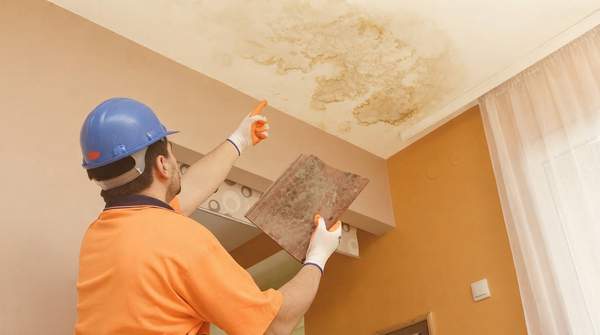
Water damage can move faster than it looks. A burst pipe, roof leak, flood, appliance malfunction, sewage backup, or sprinkler discharge may leave visible water on the surface while moisture spreads into flooring, walls, carpets, furniture, documents, and business materials.
For property owners, the first concern is not only removing standing water. The bigger issue is stabilizing the damage, identifying the source, drying affected areas, and deciding whether the situation involves contaminated water, hidden moisture, damaged contents, or business disruption.
Why Water Damage Needs a Fast Response
Water mitigation focuses on reducing or preventing further water damage after an incident. That can include extracting standing water, removing affected materials, drying the space, and repairing or replacing damaged structures or items.
Fast action can help limit additional damage and avoid unnecessary complications. Water can move behind walls, under flooring, and into HVAC systems or vents, which makes surface cleanup alone unreliable in many property damage situations.