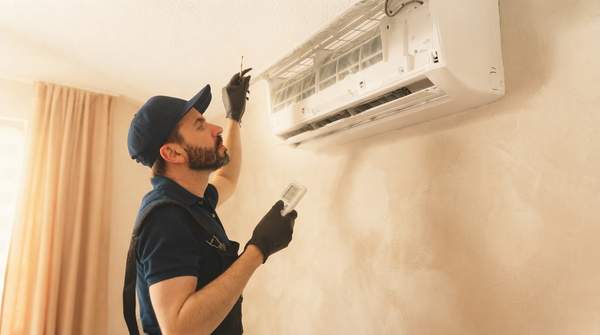
A hissing or screeching sound from your HVAC system that lasts just 10-15 seconds at startup could signal dangerously high internal pressure in the compressor. A severe internal malfunction is actually indicated by this fleeting noise, easily dismissed. It can lead to catastrophic system failure and pose a significant safety risk to your home. Ignoring such a brief symptom gambles with the integrity of your entire heating and cooling infrastructure, according to Reliable Air.
Many homeowners dismiss unusual HVAC noises as normal wear and tear. But these sounds often indicate critical and potentially hazardous system failures. This common oversight transforms minor issues into expensive and dangerous emergencies.
Understanding specific HVAC system noises is crucial for timely intervention. It can avert costly breakdowns and ensure safety.
Decoding Your HVAC's Warning Signals and When to Call a Pro
Refrigerant leaks commonly cause hissing AC noises. These often come with frozen coils or warm air from vents, according to Reliable Air. This sound means your system loses the vital chemical for cooling your home. Failing to address a refrigerant leak leads to further complications, including inefficient operation and increased energy bills.
HVAC issues involving high pressure, specialized tools, or hazardous chemicals demand professional repair, as outlined by Reliable Air. These complex problems exceed homeowner capabilities and present safety risks. Attempting DIY fixes can worsen the problem and endanger your well-being.
A blower motor replacement, for example, can range from $200 to $800, depending on your system's size and complexity, according to Tuck & Howell. Homeowners who dismiss brief, specific HVAC noises as normal wear and tear risk more than just expensive repairs. They unknowingly gamble with catastrophic system failures involving dangerously high internal pressure, based on Reliable Air's findings. What seems like a minor 'hiss' from a refrigerant leak can quickly escalate into a several-hundred-dollar repair, like a blower motor replacement, if left unaddressed. This shows the false economy of ignoring early warning signs.
Understanding Brief, Dangerous HVAC Noises
The most dangerous HVAC issues, like dangerously high internal compressor pressure, often manifest as fleeting noises. These last only 10-15 seconds at startup. Homeowners frequently dismiss these brief sounds. Yet, they are precisely the problems needing immediate professional intervention to prevent catastrophic failure, according to Reliable Air. This counterintuitive fact means critical problems do not always present with prolonged or obvious symptoms.
Some HVAC noises might suggest benign issues. But any hissing sound could indicate either a minor air leak or a potentially explosive high-pressure compressor problem. This ambiguity makes professional diagnosis essential, rather than attempting DIY speculation, as Reliable Air advises. Your system's brief warning could be the most critical.
Ignoring these fleeting yet significant sounds means risking more than just a repair bill. The short duration of these critical warnings often masks their severity. Homeowners might assume a quick sound is harmless, but it can signify an immediate threat to system integrity and home safety. This makes every brief, unusual sound a potential call for urgent action, not dismissal.
The Long-Term Impact of Neglect
A seemingly minor 'hissing' from a refrigerant leak, if ignored, leads to cascading failures. These include frozen coils and warm air. This escalation ultimately results in costly component replacements, such as a blower motor, which alone can range from $200 to $800, according to Reliable Air and Tuck & Howell. The initial small sound becomes a symptom of a larger, more expensive problem.
Delaying attention to unusual HVAC sounds leads to a cascade of problems. These range from diminished system efficiency and comfort to complete system failure and costly replacements. Your system works harder to compensate for inefficiencies, consuming more energy and increasing utility bills. This sustained strain on components accelerates wear and tear, shortening your HVAC unit's overall lifespan.
Beyond direct repair costs, neglecting these warnings creates a cycle of inefficiency. A system struggling with unaddressed issues will consistently underperform. This means higher monthly energy bills and a shorter operational life for the entire unit. Proactive intervention saves both money and future headaches, ensuring your HVAC system delivers consistent comfort and value.
Protecting Your Investment and Well-being
Proactive attention to common HVAC system noises is essential for preserving your home's value. A well-maintained heating and cooling system significantly contributes to property appeal and functionality. Regular checks and timely repairs prevent minor issues from detracting from your home's overall condition and market value.
A well-maintained and responsive approach to HVAC issues safeguards your comfort, financial investment, and home environment health. Efficient systems consume less energy, leading to lower utility costs and reducing your carbon footprint. A properly functioning HVAC system also ensures consistent indoor air quality, vital for occupant health and comfort.
Addressing unusual sounds promptly extends your unit's life. This defers the significant expense of a full system replacement. This vigilance helps maintain optimal energy efficiency, preventing unexpected spikes in energy consumption. Your system operates as intended, providing reliable heating and cooling without unnecessary strain or excessive costs.
Quick Answers to Your HVAC Noise Questions
What does a banging noise from my HVAC mean?
A banging noise from your HVAC unit often indicates a loose component or an unbalanced fan. In a furnace, it might signal an ignition issue or a faulty burner. This sound typically requires professional inspection to diagnose the exact cause and prevent further damage to internal parts, according to Happy Hiller.
Is it normal for my furnace to make noise?
Some operational noises are normal for a furnace, such as a gentle click at startup or the sound of air moving through ducts. However, sudden loud bangs, persistent grinding, or high-pitched squeals suggest internal issues. These include a faulty ignitor, motor bearing, or heat exchanger crack. These unusual sounds warrant immediate professional attention.
What does a rattling sound from the AC unit indicate?
A rattling sound from your AC unit often points to loose components within the outdoor condenser. Examples include fan blades hitting debris, loose panels, or a failing compressor mount. Addressing this promptly can prevent more significant mechanical failures and costly repairs, as Airtechs Heating & Cooling explains.
The Bottom Line
By late 2026, homeowners who consistently address these early warning signs, guided by insights from experts like Reliable Air, will likely see fewer emergency repairs and greater system longevity, safeguarding their home investment for years to come.