A door that suddenly sticks or a window that won't close properly can be the first whisper of a significant structural shift in your charming older home. These seemingly minor issues signal serious structural problems, according to cr1981. Such misalignments suggest foundational movement or compromised load-bearing elements. The allure of an older home's character is strong, but its age introduces hidden structural vulnerabilities. Homeowners must adopt a vigilant, informed approach to maintenance and inspection, or risk escalating repair costs and diminished property value. A sticking door or a new crack isn't just an inconvenience; it's a critical early warning. Vigilance prevents the extensive and costly structural repairs highlighted by Jkath as a primary renovation complication. Ignoring these early signs turns minor shifts into serious damage, increasing repair complexity and expense.
The Silent Shifts: Common Structural Weaknesses in Older Homes
Foundation problems are prevalent in older homes, especially those built before modern standards. Cracks or shifts often appear as uneven floors, leaning walls, or gaps around windows and doors, according to cr1981. These indicators confirm underlying instability, affecting the entire dwelling's integrity. The original wood structures and foundations, while charming, are prone to unseen deterioration. Foundation integrity is paramount; even subtle signs of shifting suggest significant stress. A small floor slope, for instance, could indicate a much larger problem beneath the surface, impacting the home's long-term stability and safety. These issues often arise from soil settlement, water damage, or inadequate original construction.
Beyond the Surface: How to Spot Hidden Deterioration
Hidden deterioration demands vigilance beyond visible cracks, focusing on environmental factors and pests. Moisture accumulation threatens wood, causing rot in critical structural elements like beams and joists. Pests, especially termites, discreetly compromise wooden components, as detailed by cr1981. These issues often progress unnoticed, weakening a home's framework for years before outward signs appear. Regularly check basements, crawl spaces, and attics for dampness, water stains, or insect activity. Proactive inspection for moisture and pest damage is crucial; these problems often remain unseen until substantial harm occurs. Addressing a leaky pipe or a small termite colony immediately prevents widespread damage, saving thousands in future repairs.
Renovation Roadblocks: Why Structural Issues Complicate Older Home Projects
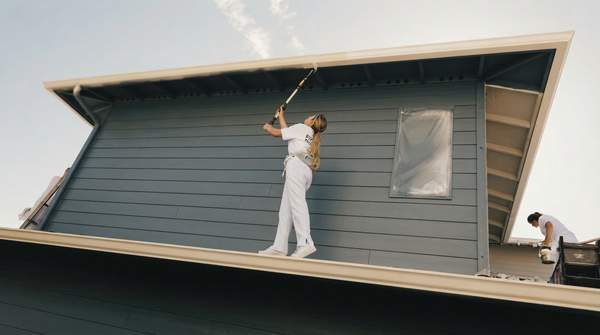
Renovating an older home often uncovers more than cosmetic updates; structural issues frequently emerge as a primary complication. Dealing with these underlying problems is a significant challenge during any historic home renovation, according to Jkath. A cosmetic upgrade can quickly become a complex structural repair, requiring specialized skills and materials. The romanticized charm of an older home often blinds buyers to its constant battle against hidden structural vulnerabilities. Renovation efforts, intended to preserve character, frequently uncover severe structural issues. Underestimating these problems leads to significant cost overruns and delays, turning a planned improvement into a costly ordeal and sometimes halting progress entirely.
Your Structural Questions Answered
What are signs of a sagging roof?
A sagging roof often presents with noticeable dips or unevenness along the ridge line. Inside the attic, you might observe bowed rafters or cracked ceiling joists. Water stains on the ceiling could also indicate compromised roof integrity and potential structural weakness.
Can I fix structural damage myself?
Most significant structural damage requires professional expertise. Attempting DIY repairs without proper knowledge and tools can worsen the problem or create safety hazards. Consulting a licensed structural engineer or contractor ensures repairs meet safety standards and effectively address the underlying issue.
When should I call a structural engineer?
You should contact a structural engineer if you observe significant cracks in your foundation, persistent uneven floors, or walls that appear to be bowing. They can provide a professional assessment of the damage extent and recommend appropriate repair strategies. An engineer's report is often required before undertaking major structural renovations.
Protecting Your Investment: The Long-Term Value of Structural Integrity
Promptly addressing structural issues is paramount for any older home's long-term safety and value. Ignoring early warning signs leads to severe deterioration, jeopardizing integrity and market appeal. Proactive maintenance and timely repairs preserve the home's unique character, securing its enduring value and safety. For homeowners considering an older property, a comprehensive structural inspection by a qualified professional is a necessity. By Q3 2026, HomeStyle & Beyond recommends all prospective buyers secure a detailed engineering report before purchase to mitigate unforeseen structural liabilities and ensure peace of mind.