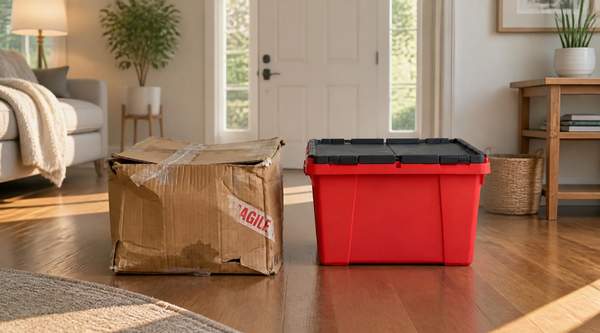
Top 3 Home Maintenance Checks for Homeowners

Repairing an uneven patio or walkway costs homeowners $30 to $60 an hour for a handyman, an expense often avoidable with consistent upkeep, according to Realtor .

ER
Ethan Rowe

May 19, 2026 · 3 min read

Homeowner changing an HVAC filter and a well-maintained house exterior, symbolizing the benefits of regular home maintenance.

Repairing an uneven patio or walkway costs homeowners $30 to $60 an hour for a handyman, an expense often avoidable with consistent upkeep, according to Realtor. Minor shifts quickly become major financial burdens. Many homeowners see maintenance as a budget drain. However, neglecting it guarantees larger, unexpected costs. Homeowners who maintain their properties consistently save money and gain peace of mind. Proactive care protects a home's function and long-term value.

Essential Checks That Save You Money

  1. 1. Changing HVAC filters

    Best for: Air quality and system efficiency

    Change HVAC filters monthly. This keeps components clean and efficient, extending system life and preventing expensive repairs, according to Ahit. Neglecting this simple task leads to reduced air quality and higher energy bills.

    Strengths: Improves air quality, extends HVAC system life, prevents expensive repairs | Limitations: Requires monthly attention, easy to forget | Price: Low (typically $10-$30 per filter)

  2. 2. Double-checking air-conditioning unit

    Best for: Seasonal temperature changes

    Check your AC unit before hot weather hits, advises Realtor. This prevents breakdowns during peak demand. A pre-season check catches small issues early, avoiding costly emergency repairs and ensuring comfort when it matters most.

    Strengths: Ensures comfort in hot weather, identifies small issues before they become major | Limitations: May require professional help for complex diagnostics | Price: Minimal for self-check, professional tune-up costs vary ($100-$200)

  3. 3. Cleaning dryer vent lint trap

    Best for: Safety and appliance longevity

    Clean the dryer vent lint trap after each cycle. Over half of homeowners neglect this, Ahit reports. This oversight creates significant fire hazards and reduces drying efficiency, leading to higher energy use and shorter appliance life.

    Strengths: Prevents dryer fires, improves drying efficiency, extends appliance lifespan | Limitations: Requires consistent habit formation | Price: Free (DIY)

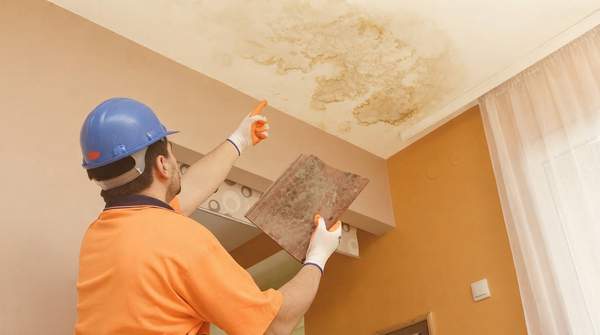
Proactive vs. Reactive: The Cost Difference

Maintenance TaskApproachTypical Cost (Proactive)Potential Reactive RepairReactive Repair Cost (Hourly)
HVAC Filter ChangeDIY Monthly$10-$30 (filter)HVAC system failure$100-$200+ (service call)
Dryer Vent Lint Trap CleaningDIY After Each UseFreeDryer fire, appliance breakdown$150-$300+ (repair/replacement)
Patio/Walkway InspectionDIY AnnuallyFreeUneven patio/walkway$30-$60 (handyman, Realtor)

The table clearly shows the financial trade-off. Homeowners who skip proactive maintenance, seeing it as an expense, guarantee future significant repair bills. Realtor.com data shows $30-$60 hourly costs for handyman work on neglected issues like uneven patios. This contrasts sharply with the minimal or free cost of preventative actions.

Common Maintenance Questions Answered

What are the most common home appliance problems?

Beyond lint trap clogs, common appliance issues include refrigerator water leaks from clogged defrost drains, washing machine vibrations from unbalanced loads or worn shock absorbers, and dishwasher spray arm blockages. Early action prevents larger failures and extends appliance life.

How often should I maintain my home appliances?

HVAC filters need monthly changes, and AC units require pre-season checks. Many appliances also benefit from annual professional inspections. Refrigerators and dishwashers, for example, should have coils and filters cleaned annually for optimal performance, as most manufacturers recommend.

Can I do appliance maintenance myself?

Homeowners can handle many basic tasks: cleaning lint traps, checking seals, and replacing filters. However, electrical components, refrigerant, or complex mechanical systems typically require a certified technician. This ensures safety and proper function, avoiding hazards or further damage.

By Q3 2026, homeowners consistently applying maintenance principles from Ahit and Realtor will likely see better preserved property values and more stable household budgets.