Discovering how to identify and fix water damage in your home often begins with a subtle clue—a faint, musty odor in the basement or a small, discolored spot on the ceiling. While it may seem minor, these signs can point to a much larger issue lurking behind walls or under floorboards. According to data from the federal government's FloodSmart program, a mere one inch of water in a typical home can lead to as much as $25,000 in damages. Understanding the signs, knowing the right steps to take, and implementing preventative measures are crucial for protecting your property’s value and ensuring a safe living environment.
What are the common signs of water damage in your home?
Water damage is the destructive process that occurs when excess water intrudes upon a property, saturating materials that are not designed to withstand moisture for extended periods. This intrusion can weaken a home's structural components, from wooden beams to the concrete foundation. According to home safety experts at OvationHome, water has the power to warp wood, rust metal, and erode foundations over time. If not addressed swiftly, this deterioration can compromise the structural integrity of a house, potentially rendering it unsafe.
The consequences extend beyond the structure itself. Water can ruin drywall, flooring, carpets, furniture, and personal belongings. Furthermore, lingering moisture creates a breeding ground for mold, which can pose significant health risks. The National Park Service notes that mold may begin to grow on damp objects within approximately 72 hours, highlighting the urgency required to address any water-related issue. Identifying the problem early is the first and most critical step in mitigating these outcomes.
How to Identify and Address Water Damage: Step by Step
A systematic approach is essential when you suspect water damage. From the initial discovery to the final repair, following a clear process ensures that you address the problem thoroughly and prevent long-term complications. Consider this your go-to guide for tackling water intrusion head-on.
- Step 1: Locate and Stop the Water Source Before any cleanup or repair can begin, you must stop the flow of water. This could be as simple as turning off a fixture or as urgent as shutting off your home's main water supply. Every homeowner should know the location of their main water shut-off valve and the individual shut-off valves for appliances like toilets, sinks, and washing machines. If the source is a burst pipe or a major leak, turning off the main valve immediately will prevent further flooding and limit the extent of the damage. For weather-related flooding, the goal is to prevent more water from entering through sandbags or temporary seals.
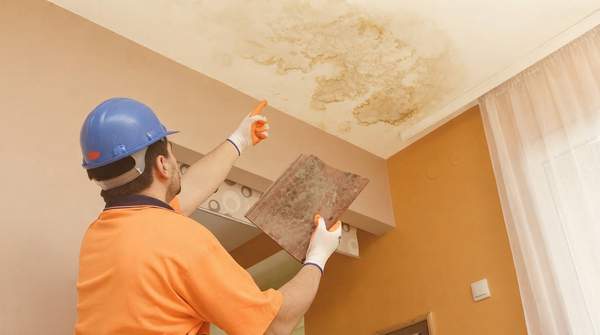
- Step 2: Conduct a Thorough Visual and Sensory Inspection Once the immediate threat is contained, begin your assessment. Use your senses to detect the primary indicators of water damage. According to home restoration specialists at Servpro, common signs include dark brown or discolored stains on walls and ceilings, a persistent musty smell, and visible warping or buckling of materials. Run your hands along drywall and baseboards in the affected area; they may feel soft or start to crumble to the touch. Look for peeling paint or wallpaper, as these are often early signs that moisture is present behind the surface.
- Step 3: Uncover Hidden Damage Water is insidious and can travel far from its original source, seeping into wall cavities, under flooring, and into insulation. What appears to be a small stain on the ceiling could be the result of a much larger pool of water in your attic. Mold and dry rot are particularly difficult to detect, as they thrive in dark, damp, and hidden spaces. According to real estate resource Northpointe.com, these issues often require specialist inspectors to look under and behind surfaces. A moisture meter can be a valuable tool for homeowners to detect elevated moisture levels in materials that appear dry on the surface.
- Step 4: Document the Damage Extensively Before you move a single item or begin any repairs, document everything. Take clear photos and videos of all affected areas and damaged belongings. Create a detailed written inventory of everything that was damaged, noting its age, value, and condition. This evidence is absolutely critical for filing a successful insurance claim. The more thorough your documentation, the smoother the claims process will be. Keep a log of all communications with your insurance company, including dates, times, and the names of people you speak with.
- Step 5: Begin the Drying Process Immediately With the 72-hour window for mold growth in mind, drying the affected area must begin as soon as it is safe to do so. For minor spills, this can be done with fans and open windows to promote air circulation. For more significant flooding, you will need industrial-grade equipment. High-powered fans, wet-dry vacuums, and commercial dehumidifiers are essential for removing moisture from the air and from porous materials like wood, drywall, and carpet. Removing baseboards can help air circulate into the wall cavity, aiding the drying process.
- Step 6: Clean, Sanitize, and Deodorize After the area is completely dry, all affected surfaces must be thoroughly cleaned and sanitized. Water, especially from floods or sewage backups, can contain harmful bacteria and contaminants. Hard surfaces can be cleaned with appropriate disinfectants. Porous materials like carpet, upholstered furniture, and drywall that were saturated may need to be discarded and replaced to prevent mold and bacteria from persisting. Specialized deodorizing agents may be needed to eliminate the musty odors that often linger after water damage occurs.
- Step 7: Plan for Repair and Restoration The final stage is repairing the damage and restoring your home to its pre-loss condition. This can range from simple cosmetic fixes, like repainting a stained ceiling, to major structural work. Damaged drywall may need to be cut out and replaced, warped wood flooring might need to be removed, and compromised insulation will have to be reinstalled. This is often the most costly and time-consuming part of the process.
- Step 8: Consult with Multiple Professionals For anything beyond a minor, contained leak, professional help is strongly recommended. When facing significant repairs, it is wise to consult with at least two or three experienced contractors to get multiple estimates. This not only helps you find a fair price but also allows you to compare their proposed methods for repair. If you suspect mold or structural issues, hiring specialized inspectors is a necessary step. Northpointe.com advises that a comprehensive inspection for a home with known water damage might require two or even three different specialists to assess structural integrity, mold, and rot.

Common Mistakes to Avoid When Dealing with Water Damage
When facing a water-related emergency, homeowners can inadvertently make mistakes that worsen the situation or lead to higher costs down the road. Being aware of these common pitfalls can help you navigate the recovery process more effectively. Let's break down the basics of what not to do.
- Delaying Action: The single biggest mistake is waiting too long to act. Water quickly soaks into porous materials, and structural damage worsens with every passing hour. With mold growth possible within 72 hours, procrastination turns a manageable water issue into a complex and hazardous mold problem. Acting immediately to stop the source and start the drying process is paramount.
- Underestimating the Scope of the Problem: A small puddle on the floor might seem like an easy cleanup, but it could be a sign of a much larger, hidden issue. Homeowners often only address the visible damage without considering where else the water may have traveled. Assuming the problem is isolated without a thorough inspection can lead to long-term issues like dry rot and hidden mold colonies that compromise your home’s structure and air quality.
- Using Inadequate Drying Equipment: A few household fans are not sufficient for drying a saturated room. Professional restoration companies use specialized equipment, including high-velocity air movers and low-grain refrigerant dehumidifiers, that are designed to remove moisture from deep within materials. Relying on insufficient equipment will prolong the drying time, increasing the risk of mold and permanent damage to wood and drywall.
- Forgetting About Safety: Standing water presents several safety hazards. The most obvious is the risk of electric shock if water comes into contact with live outlets or appliances. Always turn off the power to the affected area at the breaker box before entering. Additionally, floodwater can be contaminated with sewage or chemicals, and mold itself is toxic to breathe. Wearing protective gear like rubber boots, gloves, and an N95 respirator is essential during cleanup.
Preventative Measures to Avoid Future Water Damage and Mold
The most cost-effective way to handle water damage is to prevent it from happening in the first place. A proactive maintenance routine can save you thousands of dollars and the significant stress that comes with water-related emergencies. Here’s what you need to know to protect your property.
Regular home maintenance, a strategy recommended by FloodSmart.gov, involves a checklist of tasks to directly address common sources of water intrusion.
- Inspect Your Roof: At least once a year, check your roof for missing, cracked, or damaged shingles that could allow water to seep into your attic. Pay close attention to the flashing around chimneys, vents, and skylights, as these are common failure points.
- Clean Gutters and Downspouts: Gutters are designed to direct rainwater away from your home's foundation. When they become clogged with leaves and debris, water can overflow and pool around the foundation, leading to basement leaks and structural damage. Clean them at least twice a year, in the spring and fall.
- Check and Caulk Windows and Doors: Inspect the seals around your windows and doors. Over time, caulk can crack and peel away, creating gaps for water to enter. Re-caulking these areas is a simple and inexpensive DIY project that can prevent significant water damage.
- Maintain Appliances: Regularly inspect the hoses on your washing machine, dishwasher, and icemaker for cracks, bulges, or leaks. These hoses are under constant pressure and are a frequent source of indoor flooding. Replace them every three to five years as a preventative measure.
- Protect Your Pipes: In colder climates, frozen pipes are a major risk. Insulate pipes in unheated areas like basements, crawl spaces, and attics. Organizations like RestoPros of Boise and Treasure Valley regularly share tips on preventing frozen pipes, emphasizing the importance of letting faucets drip during extreme cold snaps to keep water moving.
- Ensure Proper Grading: The ground around your home should slope away from the foundation. If it slopes inward, water will pool against your house and can eventually seep into the basement or crawl space. You may need to add soil to regrade the landscape and ensure proper drainage.
- Consider Your Insurance Coverage: Review your homeowner's insurance policy to understand what types of water damage are covered. Standard policies often exclude damage from flooding, which typically requires a separate policy. For homes with a history of water issues, Northpointe.com suggests purchasing the most comprehensive policy available, one that might cover problems from previous damage in later years.
Frequently Asked Questions
How long does it take for mold to grow after water damage?
Mold can begin to grow in as little as 24 to 48 hours in ideal conditions, but it typically becomes a significant problem if materials remain damp for approximately 72 hours. This is why immediate and thorough drying is so critical. The presence of moisture, a food source (like drywall or wood), and a suitable temperature are all that's needed for mold spores to colonize.
Can I repair minor water damage myself?
For very small and contained incidents involving clean water—such as a small spill on a waterproof floor or a tiny leak under a sink that's caught immediately—a homeowner can often handle the cleanup. This involves stopping the leak, drying the area completely, and monitoring for any signs of lingering moisture or mold. However, for larger issues, water that has soaked into walls or flooring, or any situation involving contaminated water (like a sewage backup), it is always best to call a professional restoration company. They have the expertise and equipment to ensure the area is properly dried and sanitized.
What should I do with water-damaged books and important papers?
According to preservation guidelines from the National Park Service, it is essential to triage water-damaged books and papers to develop a salvage plan. Wet paper loses strength, so handle items carefully, supporting them from underneath. If they are soiled with mud, you can rinse them gently with clean water. For wet books, the best immediate action is to freeze them. This stabilizes their condition and prevents mold growth, buying you time until you can properly dry them through air-drying or professional services like vacuum freeze-drying.
The Bottom Line
Managing water damage demands rapid identification, decisive action, and preventative maintenance. Proactive steps include inspecting for discolored walls and musty odors, and knowing your main water shut-off location. A systematic approach to addressing leaks and a regular maintenance schedule protect your home’s structural integrity, ensuring a safer, healthier living space.