A single faucet dripping once per second wastes over 2,600 gallons of water annually, according to Happy Hiller. This guide helps homeowners, armed with basic tools and knowledge, tackle many common plumbing issues themselves. Resolving these water-wasting problems saves money and protects your home from potential damage.
What Are Common Plumbing Issues?
Common plumbing issues are the recurring problems most homeowners face, typically involving faucets, drains, and toilets. These issues often stem from the daily wear and tear on fixtures and pipes. A leaky faucet, for instance, is frequently caused by a simple deteriorating washer that no longer creates a tight seal. Similarly, a constantly running toilet can often be traced back to a faulty rubber flapper or an improperly set water level in the tank. Clogged drains and toilets are another prevalent issue, usually resulting from an accumulation of hair, soap scum, or items that shouldn't be flushed. Finally, low water pressure, when isolated to a single fixture, is commonly due to mineral deposits building up in the aerator, restricting water flow.
How to Fix Common Plumbing Issues: Step by Step
Always turn off the water supply to the fixture before beginning any repair. The following steps detail how to resolve common plumbing problems in your home.
How to Fix a Leaky Faucet Step-by-Step
A dripping spout is the classic plumbing problem, and the cause is almost always a worn-out internal part. For traditional compression-style faucets, a small rubber washer is the usual culprit. For leaks around the base of the handle, a failing O-ring is often to blame.
- Step 1: Gather Your Tools and Parts — Before you start, collect an adjustable wrench, a flathead and Phillips head screwdriver, rags, and a replacement washer or O-ring kit. These kits are inexpensive and available at any hardware store; it's wise to have one on hand.
- Step 2: Shut Off the Water Supply — Look for the small shut-off valves on the hot and cold water pipes beneath the sink. Turn the handles clockwise until they are fully closed. Turn the faucet on to drain any remaining water from the lines.
- Step 3: Disassemble the Faucet Handle — Most handles have a decorative cap on top. Gently pry this off with a flathead screwdriver to reveal a screw. Remove the screw, and then lift the handle straight off the faucet body.
- Step 4: Access the Internal Parts — With the handle removed, you will see the valve stem or packing nut. Use your adjustable wrench to carefully loosen and remove this component. This will expose the washer (often held by a brass screw at the bottom of the stem) or the O-rings around the stem.
- Step 5: Replace the Worn Component — Remove the screw holding the old washer and replace it with a new one that is an exact match. If you are fixing a leak at the base, slide off the old O-rings and roll the new ones into place. A little plumber's grease can help create a better seal.
- Step 6: Reassemble and Test — Carefully reassemble the faucet in the reverse order you took it apart. Once everything is snug, slowly turn the water supply valves back on. Turn the faucet on and off, checking carefully for any drips or leaks.

Effective Ways to Unclog a Drain
Slow or completely blocked drains, an inevitable part of homeownership, are typically caused by a buildup of hair, soap, and other debris. Here’s how to clear them.
- Step 1: Use a Plunger — For a simple clog, a plunger is your best first defense. Ensure there is enough water in the sink or tub to cover the plunger's cup. Place the plunger firmly over the drain to create a seal and pump vigorously up and down for about 20 seconds.
- Step 2: Try a Natural Solution — For greasy or soap-based clogs, a combination of baking soda and vinegar can be effective. Pour about a cup of baking soda down the drain, followed by a cup of white vinegar. Let the mixture fizz and work for at least an hour, then flush the drain with hot water.
- Step 3: Use a Drain Snake — A drain snake, or auger, is a flexible tool that can physically break up or pull out a clog. Feed the snake down the drain until you feel resistance. Then, turn the handle to hook onto the clog and pull it out. This is particularly effective for hair clogs in showers and bathroom sinks.
- Step 4: Clean the P-Trap — If the clog is in a sink, it might be located in the P-trap, the U-shaped pipe under the sink. Place a bucket underneath it to catch water. Use a pipe wrench to loosen the slip nuts on either end of the trap, remove it, and clean out any debris. Reassemble the trap securely and test the drain.
How to Fix a Running Toilet
A running toilet is a significant water waster; some estimates from Happy Hiller suggest it can waste hundreds of gallons daily. The problem is usually inside the tank and is one of two things: a faulty flapper or an incorrect water level.
- Step 1: Diagnose the Problem — First, remove the tank lid and observe. If water is constantly trickling into the overflow tube (the large pipe in the middle), the water level is too high. If you can hear water running but don't see it overflowing, the flapper is likely leaking. You can test this by adding a few drops of food coloring to the tank water; if color appears in the bowl without flushing, the flapper is the issue.
- Step 2: Adjust the Water Level — According to Parker & Sons, adjusting the float is a straightforward fix. Most modern toilets have a float cup that moves up and down a vertical pipe. You can adjust the water level by turning a screw or adjusting a clip on the rod connected to the float. The goal is to set the water level to about one inch below the top of the overflow tube.
- Step 3: Replace the Flapper — If the flapper is the problem, start by shutting off the water supply valve, usually located on the wall behind the toilet. Flush the toilet to drain the tank. The old flapper is typically clipped onto the overflow tube and connected to the flush handle by a chain. Unhook it and install the new one, ensuring the chain has just a little bit of slack when the flapper is closed.
- Step 4: Turn Water On and Test — Turn the water supply back on and allow the tank to fill. Check that the water level is correct and that the new flapper creates a complete seal. There should be no more running water.
Diagnosing and Resolving Low Water Pressure Issues
If low water pressure affects only one faucet, mineral deposits from hard water are likely clogging the aerator at its tip, restricting flow. The fix is often simple.
- Step 1: Identify the Scope of the Problem — Check multiple faucets in your home, both hot and cold. If the low pressure is isolated to a single fixture, the problem is likely local. If it affects the entire house, the issue is more systemic.
- Step 2: Clean the Faucet Aerator — The aerator is the small, screened cap at the very end of the faucet spout. Most can be unscrewed by hand, but you may need pliers (use a rag to prevent scratching).
- Step 3: Disassemble and Soak — Once removed, take the aerator apart, noting the order of the screen and rubber washer. Use an old toothbrush to scrub away any sediment. For stubborn mineral buildup, soak the parts in a cup of white vinegar for a few hours.
- Step 4: Reassemble and Re-evaluate — Rinse the parts thoroughly, reassemble the aerator, and screw it back onto the faucet. Turn on the water to test the pressure. If it has improved, you've solved the problem. If pressure remains low throughout the house, it is best to call a professional. As noted by Nationwide, widespread low pressure could indicate a problem with your main water line or pressure regulator.
Common DIY Plumbing Mistakes to Avoid
Common missteps can turn straightforward plumbing repairs into major problems. Avoiding these pitfalls ensures a successful DIY repair.
- Using the Wrong Tools: Using pliers on a chrome fixture without a rag can scratch the finish. Using the wrong size wrench can strip nuts. Always use the correct tool for the job to avoid damaging components.
- Overtightening Connections: It’s tempting to tighten fittings as much as possible, but this can crack plastic parts or strip metal threads, causing a leak. The rule of thumb is "hand-tight, then a quarter-turn" with a wrench.
- Relying on Chemical Cleaners: Harsh chemical drain openers can be corrosive to your pipes, especially older metal ones. They are a temporary fix at best and can cause more significant damage over time. Mechanical methods like a plunger or snake are safer for your plumbing system.
- Forgetting to Turn Off the Water: This may seem obvious, but it is the most common mistake. Forgetting this crucial first step can lead to significant water damage in a matter of seconds. Always double-check that the water supply is off before you begin work.
Advanced Tips for DIY Plumbing Repairs
Beyond basic repairs, additional knowledge elevates DIY plumbing skills, preparing you for more complex situations.
One critical skill is knowing how to perform a temporary pipe leak repair. Parker & Sons suggests that for a pinhole leak, epoxy putty can be a lifesaver. To use it, you must first turn off the main water supply, dry the pipe completely, and then knead the putty and apply it firmly over the leak, extending it an inch or two on all sides. This is not a permanent solution, but it can stop a damaging leak until a professional can perform a proper repair.
Furthermore, every homeowner should know the location of their home's main water shut-off valve. In a plumbing emergency, like a burst pipe, shutting off the main valve can prevent catastrophic water damage. It is typically located where the main water line enters the house, often in a basement, crawl space, or utility closet. Take the time to find it and ensure it is operable.
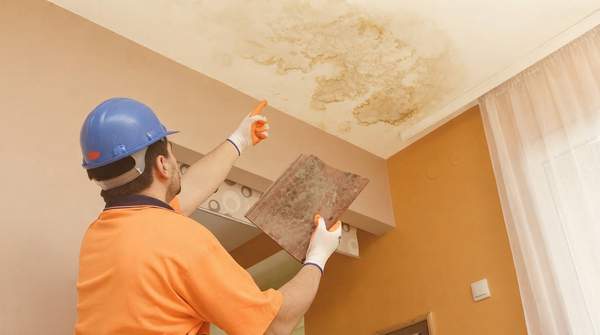
Finally, understand when a problem is beyond your scope. According to Nationwide, any sign of water damage on walls or ceilings indicates a leak within your home's structure. These situations, especially during winter when pipes can freeze and burst, require immediate professional attention to prevent severe structural damage and mold growth.
Frequently Asked Questions
How much water does a leaky faucet really waste?
The amount of water wasted by leaks is often underestimated. According to Happy Hiller, a single faucet that drips once per second wastes more than 2,600 gallons per year. They also report that the average household's leaks can account for an estimated 9,400 gallons of wasted water annually.
Is it safe to use chemical drain cleaners on my pipes?
While chemical drain cleaners can sometimes clear a clog, they are often not the best first choice. The caustic chemicals can damage certain types of pipes, particularly older metal ones, and are harmful to the environment. It is generally safer and more effective to use mechanical methods first, such as a plunger or a drain snake, to physically remove the obstruction.
What are the essential tools for a basic DIY plumbing kit?
A well-stocked but simple toolkit can handle most common plumbing repairs. Essential items include an adjustable wrench, a pipe wrench, tongue-and-groove pliers, a set of screwdrivers, a bucket, rags, a toilet plunger, a sink plunger, and a small drain snake. It is also wise to keep plumber's tape and a variety kit of common washers and O-rings on hand.
My water pressure is low all over the house. Is that a DIY fix?
If low water pressure affects only one faucet, the issue is likely a clogged aerator, which is an easy DIY fix. However, if the low pressure is consistent throughout your entire home, this typically points to a more complex issue. Nationwide advises that this could be a problem with the municipal water supply, a failing pressure-reducing valve, or a partially closed main shut-off valve, and it generally requires a diagnosis from a licensed plumber.
The Bottom Line
Handling common plumbing issues yourself, such as fixing a leaky faucet or clearing a simple clog, is a valuable skill. These DIY repairs save money, conserve significant water, and prevent small problems from escalating into large, expensive emergencies. Your next step: locate your main water shut-off valve and assemble a basic plumbing toolkit, ensuring you're prepared to confidently tackle these tasks.