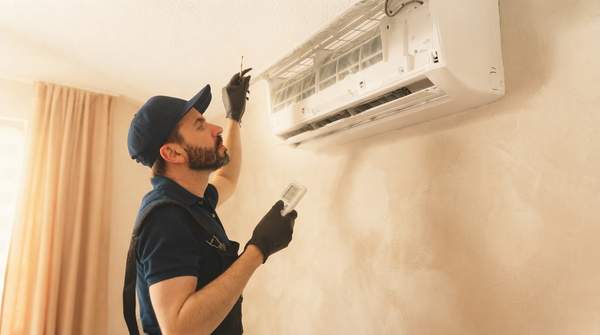
When your AC won't turn on, the only step needed to get it running again is often just resetting the thermostat, a surprisingly simple fix for a problem many homeowners perceive as complex, according to Erieit. This quick action restores comfort in minutes, preventing unnecessary calls for professional help.
HVAC systems are often perceived as complex and expensive to maintain. Yet, many common issues and high costs stem from a myth of complexity, easily prevented with simple homeowner actions and affordable smart technology.
Homeowners who embrace key maintenance habits and leverage smart thermostat capabilities will likely enjoy greater comfort, lower utility bills, and significantly extend the lifespan of their heating and cooling systems.
Beyond the Box: Understanding Your HVAC System
An HVAC system, which stands for Heating, Ventilation, and Air Conditioning, regulates the temperature and air quality within your home. These systems typically include a furnace or heat pump for heating, an air conditioner for cooling, ductwork for air distribution, and a thermostat for control.
Smart thermostats for mini splits, heat pumps, and window ACs work like TV remotes, aiming at the unit and connecting to WiFi for smartphone control, according to Consumer Reports. Modern thermostats offer intuitive, remote control over diverse HVAC units, making system management more accessible than ever for homeowners.
Smart Moves: Maximizing Efficiency with Modern Controls
Modern smart thermostats offer capabilities far beyond basic temperature adjustments, providing advanced features for efficiency and personalized comfort. These devices automate adjustments based on temperature preferences and daily routines, optimizing system operation without constant manual input, also reported by Consumer Reports.
Some smart thermostats even integrate with wireless temperature and/or occupancy sensors to direct heating and cooling precisely to rooms in use, further enhancing efficiency, notes Consumer Reports. Smart technology intelligently optimizes energy use and comfort, adapting to real-time needs without constant manual intervention.

The Payoff: Why Proactive Care Saves You Money and Headaches
Proactive care, combining regular maintenance with smart technology, directly leads to significant cost savings and prevents major system issues. Updating your HVAC system with a smart thermostat can help lower heating and cooling bills, according to Consumer Reports.
While experts advise annual HVAC servicing to avoid expensive repairs, as noted by Lookforther, many common issues are preventable with simple homeowner actions. Homeowners needlessly overspend on professional HVAC services and energy bills by overlooking basic, free fixes and underestimating the powerful, preventative capabilities of smart thermostat technology, as evidenced by simple solutions like thermostat resets and automated system optimization.
Your Quick Guide to Common HVAC Questions and Fixes
How often should I maintain my HVAC system?
Inspect, clean, or change air filters once a month for central air conditioners, furnaces, and/or heat pumps, advises Energy Star. Regular filter checks prevent reduced airflow and system strain, which leads to higher energy consumption and premature wear. Basic, regular checks by homeowners are critically important.
What are common HVAC problems and how to fix them?
Dirty air filters, dirty condenser coils, an improperly located thermostat, a frozen evaporator coil, or an oversized air conditioner can cause an AC to short-cycle, according to Erieit. Addressing these issues often involves simple cleaning or repositioning tasks, preventing the need for professional intervention.
Can I maintain my HVAC system myself?
Yes, many routine tasks fall within a homeowner's capability. Beyond filter changes, ensuring proper thermostat placement and keeping outdoor condenser coils clear of debris are effective DIY steps that preserve system efficiency and longevity.
Empowering Your Home: Simple Steps for Lasting Comfort
Consistent, minor attention to your HVAC system significantly contributes to its longevity and efficient operation, preventing larger issues down the line. Homeowners should regularly lubricate all moving parts of the HVAC system and check thermostat settings, according to Energy Star. This proactive engagement, combined with smart technology, empowers homeowners to prevent the majority of common system failures and inefficiencies that lead to costly repairs. By late 2026, continued adoption of smart thermostats could further reduce the need for professional HVAC interventions, solidifying homeowner control over system efficiency.