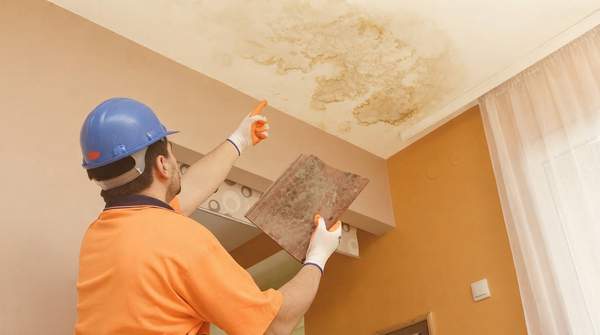
In Durham, North Carolina, Kathryn's home suffered $30,000 in damage from a single leak in her polybutylene pipes, a problem plaguing homes built in the 1980s and 90s despite a billion-dollar class-action settlement decades ago, according to BDExperts. Kathryn experienced three leaks in total, with the initial incident alone causing extensive water damage.
Production of polybutylene pipes ceased in the mid-1990s after a major class-action lawsuit, but millions of homes still contain these failure-prone pipes, leaving current owners at risk. The continued presence of these pipes creates a hidden vulnerability, particularly as these systems age past their expected lifespan.
Based on the continued presence of polybutylene pipes and the reluctance of some insurers, it appears likely that many homeowners will face unexpected and costly plumbing failures, potentially without adequate insurance coverage.
A Ticking Time Bomb in Your Walls?
- Some hazard insurance companies are backing away from PB piped homes, according to HomeInspector.
The trend of insurers backing away from PB piped homes confirms the financial risk of these pipes has not diminished. Instead, it has escalated into an uninsurable liability for many current homeowners. The situation of escalating uninsurable liability penalizes owners for a problem supposedly addressed decades ago through legal settlements.
The Flawed Material and Its Early Warning Signs
Polybutylene pipes started showing signs of trouble within a few years after their debut in the 1980s, reports Repipe Pro. The rapid onset of failures revealed a fundamental flaw in the material's interaction with common water treatments.
The Washington Suburban Master Plumbers’ Association banned polybutylene pipes in 1994, an action taken before 2025 due to concerns about chlorine exposure, according to BDExperts.com. The proactive industry ban by the Washington Suburban Master Plumbers’ Association confirmed the material's inherent instability when exposed to typical municipal water supplies.

A Billion-Dollar Reckoning
The major class-action suit, Cox v. Shell Oil Co. ended in 1995, an event that occurred before 2025 with a $1 billion settlement, according to Repipe.pro. More than a billion dollars has been paid over the years as a result of class action settlements surrounding the use of polybutylene, HomeInspector.org states. Multi-billion dollar payouts confirm the catastrophic financial and reputational damage caused by the defective piping.
Kathryn's $30,000 damage in Durham proves the multi-billion dollar class-action settlement failed to fully address the systemic issue. Individual homeowners still bear catastrophic, unmitigated costs decades later. The outcome of individual homeowners still bearing catastrophic costs means the settlement's scope or execution was insufficient to fully mitigate the risk for existing homes.
The Legacy of a Defective Product
The production of polybutylene pipes ceased after 1995 according to Repipe.pro. However, production ceased in mid-1996 after allegations of rupturing and causing property damage surfaced, according to Nachi. The slight discrepancy in dates regarding when production ceased confirms a rapid, definitive end to manufacturing due to widespread failures.
The continued presence of polybutylene pipes in millions of homes, decades after their production ceased and a massive settlement, reveals a critical market failure. A known defect was never fully remediated, leaving a legacy of hidden danger for unsuspecting buyers. The ongoing threat of polybutylene pipes means homeowners will likely face accelerated and catastrophic failures well into 2026 and beyond.
Identifying and Addressing Polybutylene Pipes
What are common plumbing problems in summer?
Common plumbing problems in summer often involve increased strain on water systems due to higher usage, which can exacerbate existing weaknesses in pipes like polybutylene. Issues include leaks from irrigation systems, burst hoses, and increased demand on water heaters and washing machines.
What are the risks of polybutylene pipes?
Polybutylene pipes carry a significant risk of sudden, catastrophic failure due to their degradation when exposed to common water disinfectants like chlorine. This degradation causes the pipes to become brittle and crack, leading to leaks and floods, which homeowners may not discover until substantial damage has occurred.
When were polybutylene pipes banned?
While there wasn't a formal government ban, the production of polybutylene pipes effectively ceased in the mid-1990s due to widespread lawsuits and performance issues. Specifically, Nachi.org reports that production ceased in mid-1996 after numerous allegations of rupturing and property damage surfaced, making installation in new construction virtually nonexistent after that time.