If your shower pressure feels weak, a simple check of your main house shutoff valve could reveal it's not fully open—a fix that takes seconds. A quick diagnostic step restores full water flow, preventing slow showers and inefficient appliances. Plumbing problems often seem to require professional expertise, but many common issues stem from easily identifiable and fixable causes. Homeowners frequently overpay for service calls; happyhiller notes that low water pressure often comes from a partially closed main shutoff valve, a fix requiring no expertise or tools. Equipped with basic diagnostic knowledge, homeowners can resolve many plumbing annoyances, reducing reliance on costly services.
If water pressure suddenly drops, check your main house shutoff valve. A lever-style valve not parallel to the pipe means it's not fully open, according to happyhiller. The misalignment restricts water flow. Adjusting the valve to the fully open position—handle parallel with the pipe—requires no tools or special knowledge. The simple action instantly restores full water pressure, proving not all plumbing problems require extensive intervention. Many homeowners find this trivial adjustment resolves a major issue, saving time and money.
Understanding Your Home's Water Pressure
Normal residential water pressure ranges from 40 to 60 psi, says petermanhvac. Knowing this range helps diagnose true low pressure. A simple gauge on an outdoor spigot provides a baseline. Low pressure, often seen as a complex failure, could be a partially closed main shutoff valve—an easy fix. Using petermanhvac's range and happyhiller's valve check, homeowners can self-diagnose and avoid costly professional assessments for a trivial adjustment.
DIY Fixes for Clogged Drains
Many drain clogs, especially in bathrooms, come from hair and soap scum. A hair snake, or drain snake, effectively clears these. These flexible tools excel at stringy blockages and can break up others, according to The New York Times. To use one, insert it into the drain until you feel resistance. Twist and pull it back out, bringing the blockage. Simple, inexpensive hair snakes offer an effective first defense against common clogs. The New York Times' mention of hair snakes shows many drain clogs are simple mechanical blockages, not complex pipe failures. DIY is often the first step.
When DIY Goes Wrong: Common Mistakes to Avoid
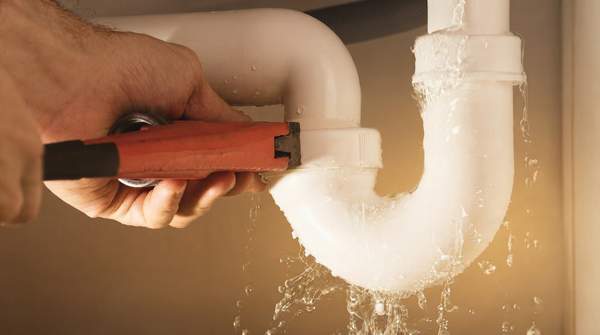
Many plumbing issues are fixable, but complex repairs without proper knowledge cause costly damage. Over-tightening pipe fittings, for instance, can crack them, creating harder-to-fix leaks. Always use appropriate tools and avoid excessive force.
Harsh chemical drain cleaners are another mistake. They corrode pipes, especially older ones, and pose health risks. Try mechanical methods like a hair snake first. Attempting complex repairs or using incorrect methods without proper knowledge leads to more damage, costly interventions, or safety hazards. Know your limits.
Preventative Measures and Maintenance Tips
Regular maintenance significantly reduces low water pressure and clogged drains. Install strainers in all sink and shower drains to catch hair and food particles. Clean these weekly to prevent buildup and ensure free flow.
Annually flush your water heater to remove sediment, which impacts pressure and efficiency. Be mindful of what goes down drains: avoid grease, coffee grounds, and non-flushable items. Simple, regular maintenance habits prevent many common plumbing annoyances, saving future repair efforts and costs.
Your Plumbing Questions Answered
How can I identify if low water pressure is localized or affects my whole house?
To determine if low water pressure is localized, check multiple faucets and showers throughout your home. If only one fixture has low pressure, the issue likely stems from a clogged aerator or a faulty cartridge within that specific faucet. Cleaning or replacing these components is a straightforward DIY task.
What are some additional methods for clearing minor drain clogs?
Beyond hair snakes, a simple plunger can often dislodge minor clogs by creating suction. For kitchen sinks, a mixture of baking soda followed by white vinegar can sometimes break down grease and grime. Always ensure you flush the drain thoroughly with hot water after using these methods.
What are some other simple plumbing repairs homeowners can tackle?
Homeowners can often fix leaky faucets by replacing worn-out washers or O-rings, a repair that costs only a few dollars. Replacing a faulty toilet flapper is another easy task that can stop a running toilet, saving significant water and preventing higher utility bills in 2026.
Empowering Your Inner Plumber
If homeowners continue to embrace basic diagnostic skills and simple tools, they will likely see significant reductions in plumbing service calls and foster greater self-sufficiency in home maintenance for years to come.