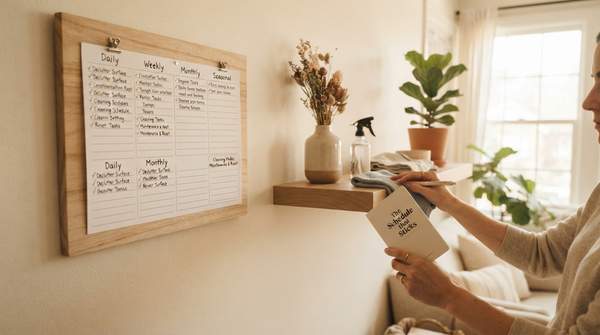
Individuals who consistently follow daily routines report significantly lower levels of distress, even when confronted with major health problems or negative life events. This consistent structure provides a crucial buffer, allowing people to navigate life's inevitable challenges with greater emotional stability and less overwhelming stress. The impact extends beyond daily calm, offering a profound sense of control during difficult times.
While many perceive daily routines as restrictive or time-consuming, they are a proven pathway to greater freedom from stress and improved health. The idea of rigid schedules often deters people, yet these structured habits actually free up mental energy, counteracting the chaos of modern life. This creates a powerful tension between perceived limitation and actual liberation.
Embracing even simple, sustainable daily routines is likely to be one of the most effective, yet often overlooked, strategies for enhancing resilience and overall quality of life. These routines, far from being a burden, become a psychological shield, preparing you for unforeseen circumstances.
The surprising benefit of a consistent daily organization and tidy home reset routine in 2026 is its ability to build mental resilience. This goes beyond simple stress management. People who maintain more daily routines experience lower levels of distress when facing significant health problems or negative life events, according to MHA National. Routines act as a proactive psychological shield, offering long-term protection against life's harsher realities.
The Unseen Power of Daily Structure
Creating healthy routines helps organize your days, making tasks and self-care easier to accomplish without intense thought, states MHA National. This reduction in cognitive load frees up mental bandwidth. You spend less time deciding what to do next, allowing for greater focus on important matters.
Having good, strong routines for diet, sleep, and exercise is linked to improved mental and physical health, according to MHA National. These foundational habits support your overall well-being. When these elements are consistently managed, your body and mind are better equipped to handle daily pressures.
Despite common perceptions of rigidity, daily routines are not merely stress-reduction tactics; they are a critical strategy for building psychological resilience, enabling individuals to withstand significant life challenges with demonstrably lower distress, according to MHA National. Routines offer a crucial psychological buffer, enhancing your ability to cope with life's stressors.