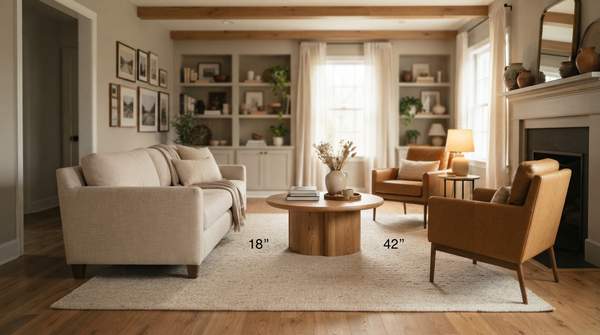
With consumer spending on home furnishings down in Q1 2024, according to NPD Group, Wayfair is slashing prices by up to 80% during its Way Day sale, running April 24-26, according to a Wayfair Press Release. An intense battle for price-sensitive shoppers is signaled. Wayfair offers its deepest discounts yet, but Amazon's consistent competitive pricing and logistical prowess make it difficult for Wayfair to truly stand out. The online furniture market is now entering a period of heightened price competition, likely leading to thinner margins for retailers and increasing pressure on Wayfair to differentiate beyond just sales events.
Way Day vs. Amazon's Spring Deals: What's on Offer
Wayfair's annual Way Day, running April 24-26, historically drives significant traffic and sales, according to Masslive. A key differentiator: Wayfair offers free shipping on most Way Day orders, as stated on its website. Meanwhile, Amazon's Spring Sale features up to 50% off patio furniture and outdoor decor, according to the Amazon Website. Prime members often receive exclusive early access or additional discounts, based on Amazon Prime Benefits, exemplified by a 3-piece wicker bistro set for $75, according to TheStreet. Both giants leverage signature sales and membership perks, intensifying the competition for every home furnishing dollar. Loyalty programs and shipping advantages are becoming as crucial as the discounts themselves.
The Battle for Home Furnishings Dominance
Wayfair reported a net loss in its Q4 2023 earnings, despite revenue growth, according to Wayfair Investor Relations. The financial strain demands aggressive sales tactics. Simultaneously, Amazon's market share in online furniture sales has steadily increased, challenging Wayfair's historical dominance, according to Statista. Wayfair also needs to clear excess inventory, a build-up from the pandemic-era boom, according to an Analyst Note from JP Morgan. Wayfair's aggressive pricing directly responds to its financial performance and Amazon's encroaching market share, underscoring a fierce battle for market leadership.